
The civic record
Read. Follow. Verify.Ohio establishes temporary payment program for rural hospitals serving low-population counties
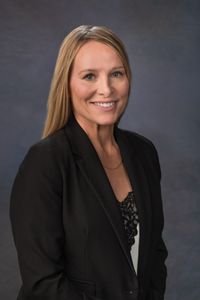
Last action · February 18, 2026: Referred to FinanceSponsors: Jason Stephens and 1 other
Track this bill to get notified when it advances a stage. One tap to stop, anytime.
What This Bill Would Do
The Ohio Department of Medicaid must establish a temporary two-year program requiring managed care organizations to pay increased rates to hospitals located in the twenty lowest-population counties with the highest health and poverty ranking scores. Eligible hospitals in counties ranked one through ten must receive at least 150 percent of the statewide average payment rate, while those in counties ranked eleven through twenty must receive at least 125 percent.
Rural healthcare providers in designated low-population counties receive higher reimbursement rates for services rendered to Medicaid recipients, while non-participating hospitals are legally protected from having their payment rates reduced to fund the program.
Who It Would Affect
Groups the bill's text would affect if enacted, as described in the record. Being affected is not a position for or against it.
hospitals
Hospitals located in eligible rural counties receive increased payment rates from Medicaid managed care organizations.
Medicaid managed care organizations
Managed care organizations must pay specified elevated payment rates to hospitals in eligible counties without reducing rates for non-participating facilities.
Key Facts
You don't have to trust us. Each fact below is taken straight from the official document - click any one to see the exact passage, highlighted in the original.
Frequently Asked Questions
Which counties are eligible for the increased hospital payments?
How long does the temporary program last?
What else do you want to know?
News Coverage
Follow the record
Votes, people, money & the original sourceWhere This Stands
Currently in committee. The next step in the legislative lifecycle is Floor Vote.
Procedural history
2 actions- Feb 18, 2026HouseCommitteeReferred to Finance
- Feb 3, 2026HouseIntroducedIntroduced
Version history
Only one version on file - nothing to compare yet. As later stages (committee substitute, engrossed, enrolled) are captured, the redline appears here.
View official text →Lobbying Activity
No state lobbying filings in our records match this bill. Federal lobbying reports (LDA) cover Congress, so they are not listed on state bills.
Full breakdown
Who this bill affects and the strongest case for and against it, written only from the bill’s own text.
Sponsors

Connected Entities
Sources
www.legislature.ohio.gov
Analysis Score
0–100- Significance65How much this matters to a regular citizen
- Controversy25Intensity of disagreement among stakeholders
- Entertainment5Compellingness for a non-policy-wonk reader
- Buzz30Current news / social attention level
Publisher tools