
The civic record
Read. Follow. Verify.Officer John Barnes and Chief Michael Ansbro Public Safety Officers’ Benefits Program Expansion Act of 2026
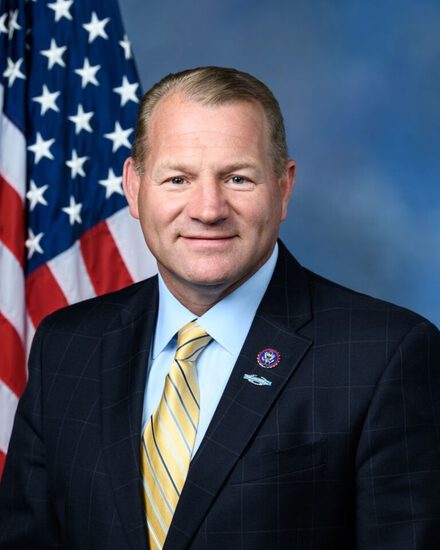
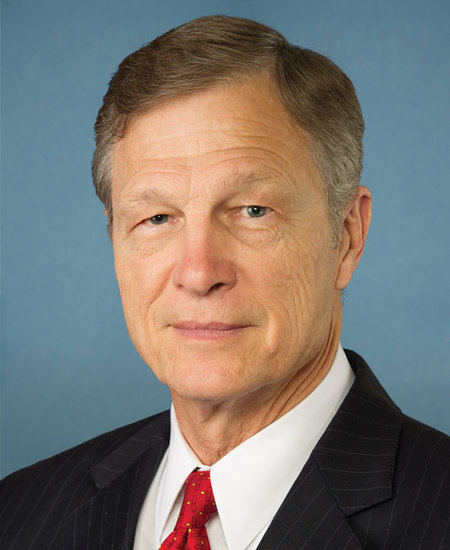
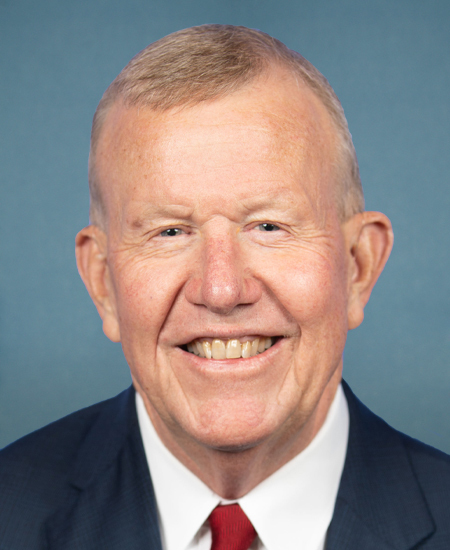
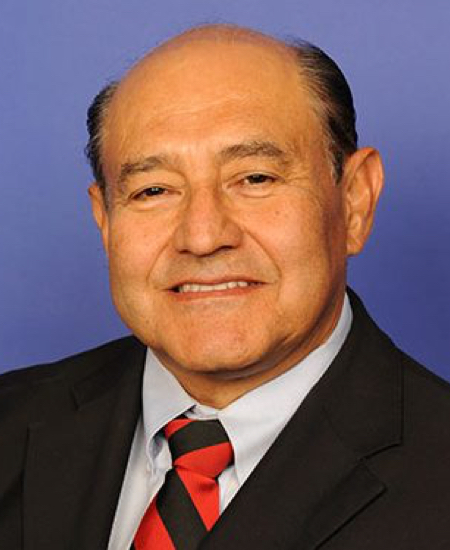
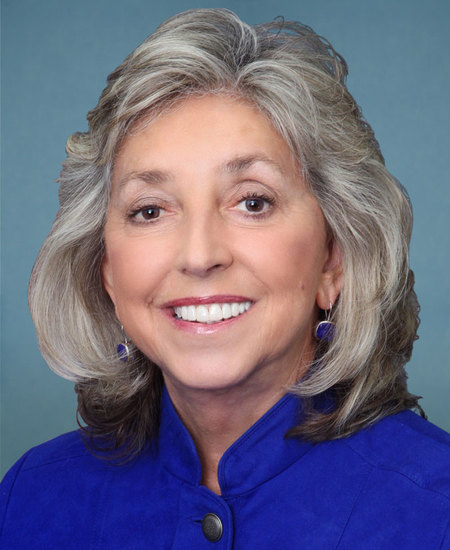
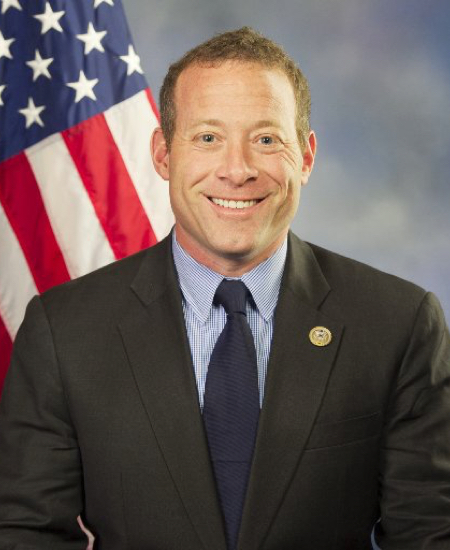
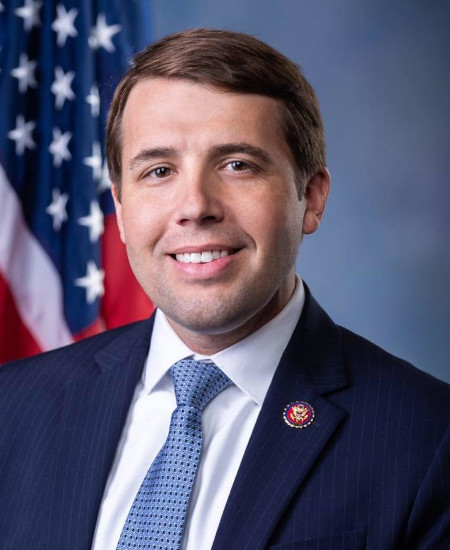
Last action · February 25, 2026: Referred to the House Committee on the Judiciary.Sponsors: Randy Weber and 21 others
Track this bill to get notified when it advances a stage. One tap to stop, anytime.
What This Bill Would Do
This bill aims to speed up the processing of death and disability benefits for public safety officers by setting strict deadlines for the Bureau of Justice Assistance. It introduces interim payments for delayed claims, mandates annual audits of backlogged cases, and requires the Bureau to use power to obtain missing information from agencies.
The bill establishes a 270-day deadline for the federal government to decide on public safety officer benefit claims, potentially providing interim payments to families or disabled officers if that deadline is missed.
Who It Would Affect
Groups the bill's text would affect if enacted, as described in the record. Being affected is not a position for or against it.
Public safety officers
Officers and their families are subject to new processing timelines and potential interim payments for death and disability claims.
Bureau of Justice Assistance
The agency must adhere to new 90-day and 270-day processing deadlines and exercise subpoena authority against non-compliant agencies.
Public agencies
Agencies must provide requested information for benefit claims within 30 days or face potential subpoenas.
Key Facts
- The Bureau must notify claimants of missing information within 90 days of receiving a claim.
- The Bureau must issue a determination on a complete claim within 270 days.
- If the 270-day deadline is missed, the Bureau must issue a single interim benefit payment.
- Interim payments are not subject to repayment unless fraud or material misrepresentation is involved.
Show all 10 facts
- The Bureau is required to issue subpoenas to public agencies that fail to provide necessary information within 30 days of a request.
- The Comptroller General must conduct an annual audit of all claims pending for more than one year.
- The Bureau must conduct ongoing outreach to public safety officers and underserved agencies regarding benefit availability.
- The Bureau must submit a summary of backlogged claims to the House and Senate Judiciary Committees annually.
- The definition of 'complete claim' is formalized as a claim with all required documents assigned a claim number.
- The bill expands the definition of disability to include inability to perform gainful work as a public safety officer.
Frequently Asked Questions
What happens if the government takes too long to process my claim?
Can the government ask for the interim payment back?
What if my agency is slow to provide the documents needed for my claim?
What else do you want to know?
News Coverage
Follow the record
Votes, people, money & the original sourceWhere This Stands
Currently in committee. The next step in the legislative lifecycle is Floor Vote.
Procedural history
2 actions- Feb 25, 2026HouseCommitteeReferred to the House Committee on the Judiciary.
- Feb 25, 2026HouseIntroducedIntroduced in House
Version history
Only one version on file - nothing to compare yet. As later stages (committee substitute, engrossed, enrolled) are captured, the redline appears here.
View official text →Full breakdown
Who this bill affects and the strongest case for and against it, written only from the bill’s own text.
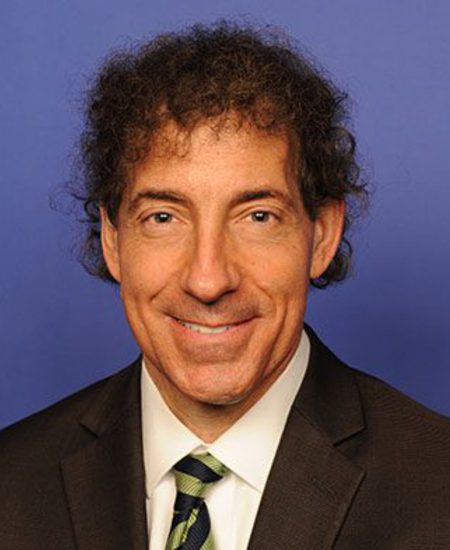
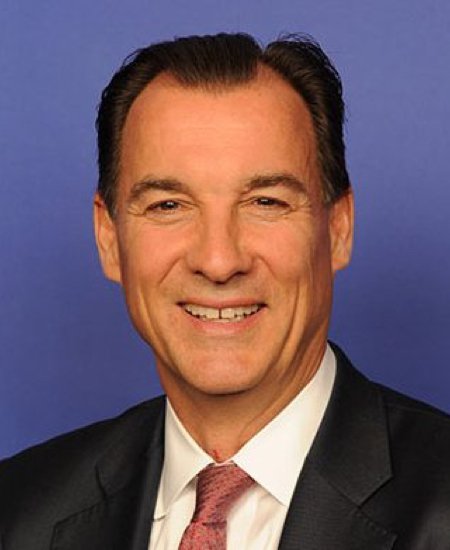
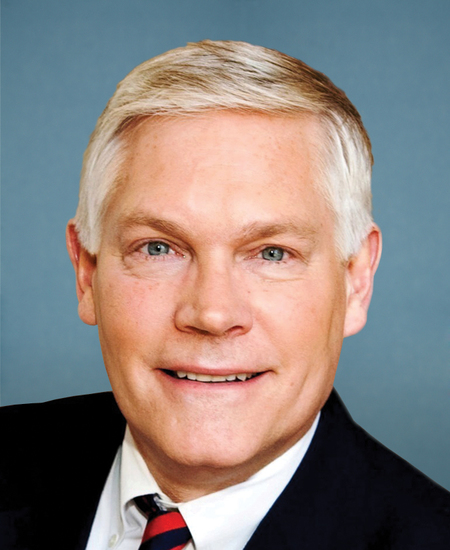
Sponsors
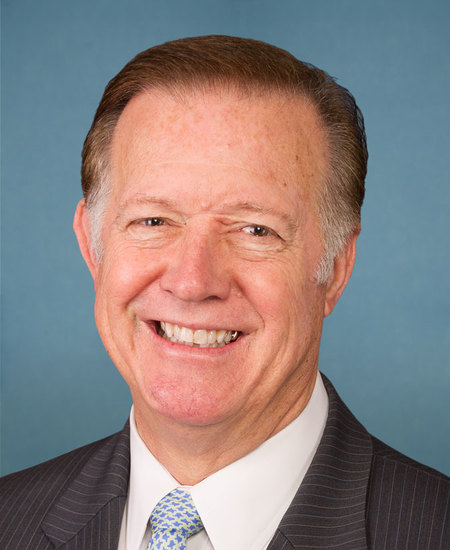

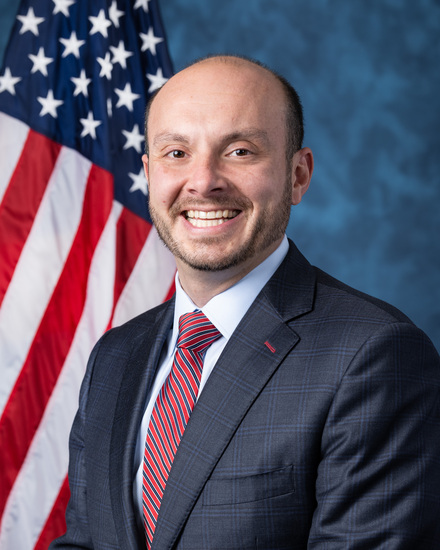
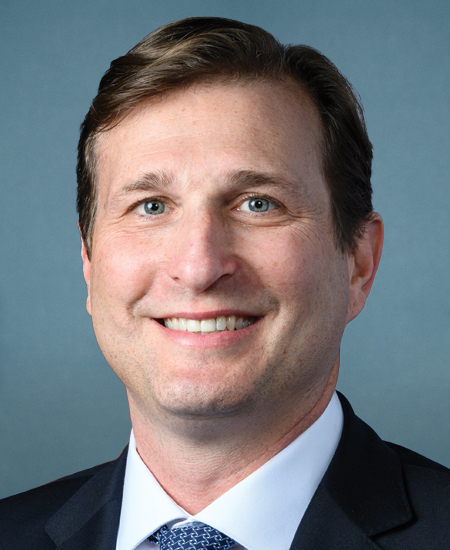
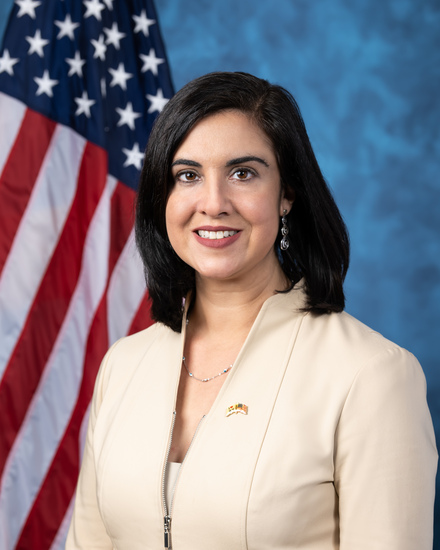
Show 17 more sponsors






Discoveries
Patterns POLISCOPE noticed across the record. These are observations to investigate, not conclusions.
Shift to Mandatory Subpoena Power
The bill moves the Bureau from a voluntary or discretionary request process to a mandatory subpoena requirement for agencies that delay providing information for more than 30 days.
Connected Entities
Sources
www.congress.gov
Analysis Score
0–100- Significance75How much this matters to a regular citizen
- Controversy15Intensity of disagreement among stakeholders
- Entertainment5Compellingness for a non-policy-wonk reader
- Buzz20Current news / social attention level
Publisher tools