
NewsSFistNovember 14, 2026San Francisco County
Construction excavation on Van Ness Avenue unearths intact basement sealed since 1906 earthquake
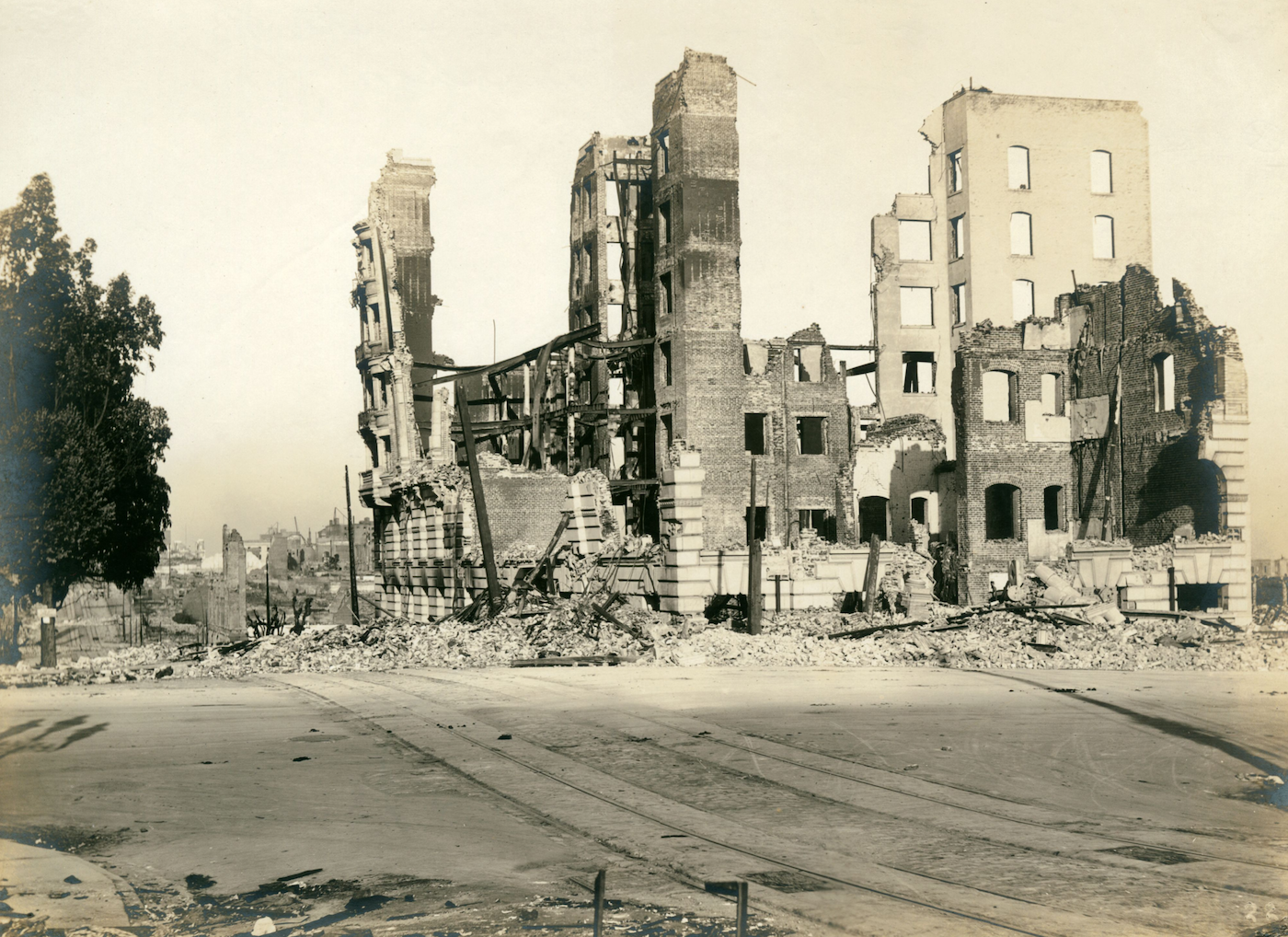
Photo: SFist
Workers excavating a construction site on Van Ness Avenue in San Francisco discovered a functional staircase leading to a fully intact basement sealed off since the 1906 earthquake. Subsequent excavations of the site uncovered household items including bottles and cans. The discovery highlights the city's buried history, joining past finds of old building foundations, infrastructure, and indigenous artifacts during local construction projects.
Read the full story at SFistWhy It Matters
The discovery provides a physical snapshot of San Francisco before and during the 1906 disaster, illustrating how much historical architecture remains preserved beneath modern street levels.
Key Facts
- An excavation on Van Ness Avenue in San Francisco uncovered a staircase leading to a fully intact, sealed basement untouched since the 1906 earthquake.
- The stairs remained functional, and subsequent excavation of the cellar revealed bottles, cans, and other household items.
- Alex Coburn, a staff archaeologist with Kleinfelder, monitored the site near a historic firebreak established after the 1906 earthquake.
- Construction monitoring in San Francisco frequently uncovers archaeological resources, ranging from old buildings to Indigenous cultural artifacts.
- When Native American artifacts are unearthed during construction, the associated tribe is contacted to help determine next steps.
- The Van Ness Improvement Project between 2016 and subsequent years encountered buried brick and concrete structures, abandoned utilities, and archaeological materials.
- Investigations at 49 Van Ness between 2017 and 2018 uncovered evidence spanning Indigenous-era conditions, 19th-century settlement, and the 1906 earthquake.
- In 2012, construction crews near Hyde and Fulton streets unearthed the foundations of San Francisco's original French Second Empire-style City Hall, which opened in 1897 and collapsed in 1906.
- Architectural enthusiast Daniel Coughlin created detailed digital renderings imagining San Francisco without the 1906 earthquake, featuring landmarks like the original Palace Hotel and Nob Hill mansions.
Who's Mentioned
OrganizationKleinfelder“Engineering and environmental services firm employing staff archaeologists.”locationVan Ness Avenue“San Francisco street where the intact basement was discovered during excavation.”locationFulton“Street near where original City Hall foundations were discovered in 2012.”OrganizationPalace Hotel“Landmark building featured in Coughlin's digital reconstructions of pre-1906 San”PersonDaniel Coughlin“Journalist and architectural enthusiast who created renderings of pre-earthquake”OrganizationSFGate“Media outlet that reported on the 2012 discovery of original City Hall foundatio”OrganizationNewsweek“Publication that featured the work of architectural enthusiast Daniel Coughlin.”locationChinatown“San Francisco neighborhood featured in digital historical reconstructions.”OrganizationOhlone“Indigenous group whose former village sites and cultural resources have been fou”locationHyde“Street near where original City Hall foundations were discovered in 2012.”OrganizationVan Ness Improvement Project“Local construction project that encountered buried structures and archaeological”OrganizationTemple Emanu-El“Historic religious building featuring distinctive domes on Nob Hill.”locationMarket Street“Major San Francisco thoroughfare lined with grand buildings before the 1906 disa”OrganizationCity Hall“Original French Second Empire-style building that collapsed during the 1906 eart”PersonAlex Coburn“Staff archaeologist at Kleinfelder who worked on the Van Ness Avenue excavation ”OrganizationPeople“Magazine that reported on the archaeological discovery.”locationNob Hill“San Francisco neighborhood noted for its pre-1906 mansions and architecture.”