
The civic record
Read. Follow. Verify.Enhancing Multi-Class Share Disclosures Act (H.R. 3357)
Last action · July 24, 2025: Received in the Senate and Read twice and referred to the Committee on Banking, Housing, and Urban Affairs.Sponsor: Gregory Meeks
Track this bill to get notified when it advances a stage. One tap to stop, anytime.
What This Bill Would Do
This bill requires public companies with multiple classes of stock to provide more detailed information about voting power in their shareholder meeting materials. It specifically mandates that companies disclose the exact voting power and share ownership of directors, nominees, executives, and major shareholders.
If passed, public companies with multi-class stock structures will be required to explicitly report the voting influence of their leadership and largest shareholders in proxy materials, changing how investors assess corporate control.
Who It Would Affect
Groups the bill's text would affect if enacted, as described in the record. Being affected is not a position for or against it.
Public companies with multi-class stock
These companies must update their proxy and consent solicitation materials to include specific voting power disclosures.
Shareholders
Shareholders will receive more detailed information regarding the voting control held by company insiders and major investors.
Securities and Exchange Commission (SEC)
The agency is tasked with creating the specific rules to implement these disclosure requirements.
Key Facts
- The bill amends Section 14 of the Securities Exchange Act of 1934.
- The SEC is required to create rules mandating disclosure for issuers with multi-class share structures.
- Disclosures must be included in proxy or consent solicitation materials for annual shareholder meetings.
- Companies must disclose the number of shares owned by directors, nominees, and executives as a percentage of total voting securities.
Show all 7 facts
- Companies must disclose the percentage of total combined voting power held by directors, nominees, and executives.
- Companies must disclose the same ownership and voting power data for any person owning 5% or more of the total combined voting power.
- A 'multi-class share structure' is defined as a capitalization structure with 2 or more types of securities that have differing voting rights for directors.
Frequently Asked Questions
What is a multi-class share structure?
Who will have to disclose their voting power under this bill?
What else do you want to know?
News Coverage
Follow the record
Votes, people, money & the original sourceWhere This Stands
Currently passed chamber. The next step in the legislative lifecycle is Law.
Procedural history
15 actions- Jul 24, 2025SenateCommitteeReceived in the Senate and Read twice and referred to the Committee on Banking, Housing, and Urban Affairs.
- Jul 23, 2025HouseMotion to reconsider laid on the table Agreed to without objection.
- Jul 23, 2025HouseFloorOn motion to suspend the rules and pass the bill, as amended Agreed to by the Yeas and Nays: (2/3 required): 381 - 31 (Roll no. 217). (text: 07/21/2025 CR H3508)
- Jul 23, 2025HouseFloorPassed/agreed to in House: On motion to suspend the rules and pass the bill, as amended Agreed to by the Yeas and Nays: (2/3 required): 381 - 31 (Roll no. 217). (text: 07/21/2025 CR H3508)
- Jul 23, 2025HouseConsidered as unfinished business. (consideration: CR H3621-3622)
- Jul 21, 2025HouseAt the conclusion of debate, the Yeas and Nays were demanded and ordered. Pursuant to the provisions of clause 8, rule XX, the Chair announced that further proceedings on the motion would be postponed.
Show 9 earlier actions
- Jul 21, 2025HouseDEBATE - The House proceeded with forty minutes of debate on H.R. 3357.
- Jul 21, 2025HouseConsidered under suspension of the rules. (consideration: CR H3508)
- Jul 21, 2025HouseMr. Hill (AR) moved to suspend the rules and pass the bill, as amended.
- Jun 3, 2025HousePlaced on the Union Calendar, Calendar No. 90.
- Jun 3, 2025HouseReported (Amended) by the Committee on Financial Services. H. Rept. 119-120.
- May 20, 2025HouseCommitteeOrdered to be Reported (Amended) by the Yeas and Nays: 51 - 0.
- May 20, 2025HouseCommittee Consideration and Mark-up Session Held
- May 13, 2025HouseCommitteeReferred to the House Committee on Financial Services.
- May 13, 2025HouseIntroducedIntroduced in House
Version history
Only one version on file - nothing to compare yet. As later stages (committee substitute, engrossed, enrolled) are captured, the redline appears here.
View official text →Voting Record
Total
412
- Yes
- 381
- No
- 31
- Present
- 0
- Not voting
- 0
- Abstain
- 0
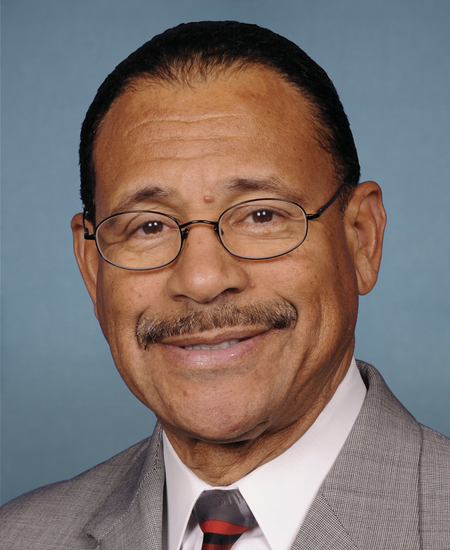
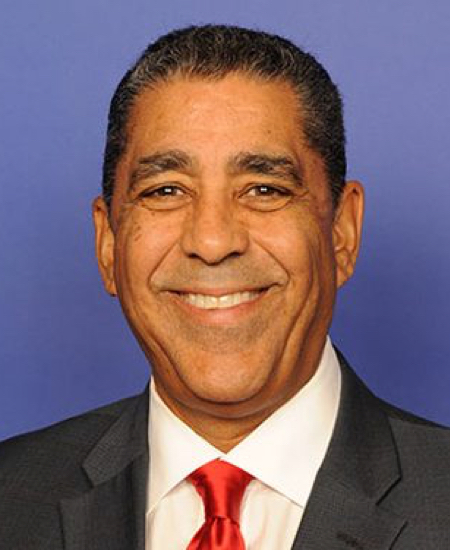
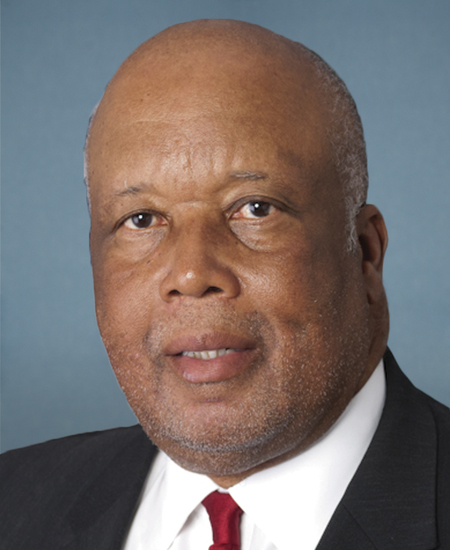
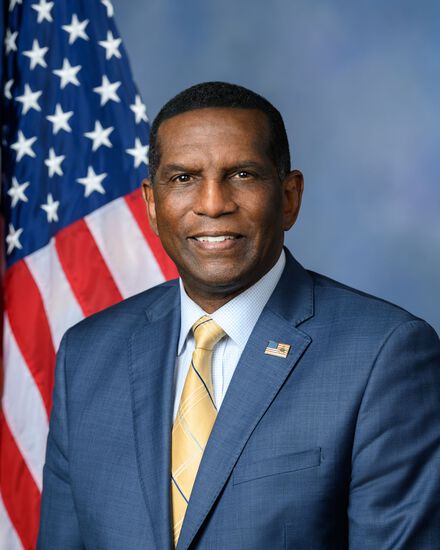
How they voted (412)























388 more members























































































































































































































































































































































































Full breakdown
Who this bill affects and the strongest case for and against it, written only from the bill’s own text.
Sponsors
Discoveries
Patterns POLISCOPE noticed across the record. These are observations to investigate, not conclusions.
Increased Transparency for Insider Control
The bill shifts the burden of disclosure onto companies to explicitly quantify the voting power of insiders and major shareholders, rather than leaving it to investors to calculate from complex filings.
Connected Entities
Sources
www.congress.gov
Analysis Score
0–100- Significance45How much this matters to a regular citizen
- Controversy20Intensity of disagreement among stakeholders
- Entertainment5Compellingness for a non-policy-wonk reader
- Buzz15Current news / social attention level
Publisher tools