
The civic record
Read. Follow. Verify.Indiana Senate Bill 111 establishes minimum family visitation and phone standards for youth in juvenile…
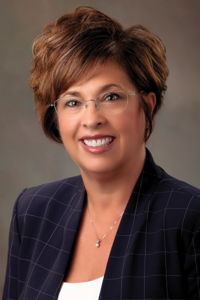
Last action · January 5, 2026: First reading: referred to Committee on Corrections and Criminal LawSponsor: Stacey Donato
Track this bill to get notified when it advances a stage. One tap to stop, anytime.
What This Bill Proposed
Indiana juvenile detention facilities must offer residents at least two in-person contact visits per week lasting a minimum of one hour, provide at least two weekly phone calls of at least ten minutes, and prohibit charging fees for these communications, starting July 1, 2026.
Detention facilities must alter operational schedules to accommodate weekend and non-business hour visits while absorbing all costs for resident phone calls and family communication.
- Senate Bill 111 was introduced during the Second Regular Session of the 124th Indiana General Assembly for consideration in 2026. context
- Senator Stacey Donato introduced the measure, which was referred to the Committee on Corrections and Criminal Law upon first reading. context
Who It Would Have Affected
Groups the bill's text would have affected, as described in the record. Being affected is not a position for or against it.
juvenile detention facility residents
Residents are guaranteed a minimum of two in-person contact visits and two phone calls per week without being charged fees.
parents, guardians, and custodians
Family members gain guaranteed access to weekly in-person visits and phone calls free of direct or indirect charges.
juvenile detention facilities
Facilities must adjust operational policies to schedule visits outside regular business hours, provide free communication services, and document exceptions.
Key Facts
- Juvenile detention facilities must offer residents in-person contact visitation with parents, guardians, custodians, approved supportive individuals, and the resident's own child at least two times per week for at least one hour per visit.
- Facilities must provide an alternative audiovisual visit and document reasons if in-person contact visitation cannot be safely accommodated or if visitors cannot attend.
- Facilities must allow residents a minimum of two telephone calls each week with approved family members or supporters, and cannot limit call lengths to less than ten minutes.
- Detention facilities are prohibited from charging residents, visitors, or call recipients directly or indirectly for any costs associated with visits and telephone calls.
Show all 8 facts
- Facilities may not monitor in-person contact visit conversations unless reasonable suspicion exists that a crime, escape, or security threat is likely to occur.
- Facilities cannot revoke or cancel in-person contact visitation based on a resident's behavior unless that behavior interferes with the safe conduct of a visit.
- Facilities must make reasonable efforts to schedule visitation on multiple days including weekends and weekdays, and at times not limited to regular business hours.
- The Indiana Department of Child Services must make an annual inspection of juvenile detention centers and report compliance with Indiana Department of Health standards to the advisory board.
Frequently Asked Questions
Who is eligible to visit a resident in a juvenile detention facility under this bill?
Can juvenile detention facilities charge families for phone calls or visits?
Can a facility cancel a visit because of a resident's behavior?
What else do you want to know?
News Coverage
Follow the record
Votes, people, money & the original sourceWhere This Stands
This bill did not become law - Died at adjournment · in Senate committee.
Procedural history
2 actions- Jan 5, 2026SenateIntroducedFirst reading: referred to Committee on Corrections and Criminal Law
- Jan 5, 2026SenateAuthored by Senator Donato
Version history
Only one version on file - nothing to compare yet. As later stages (committee substitute, engrossed, enrolled) are captured, the redline appears here.
View official text →Lobbying Activity
No state lobbying filings in our records match this bill. Federal lobbying reports (LDA) cover Congress, so they are not listed on state bills.
Full breakdown
Who this bill affects and the strongest case for and against it, written only from the bill’s own text.
Sponsors
Connected Entities
Sources
iga.in.gov
Analysis Score
0–100- Significance20Lowered because this bill did not pass (its text scored 65)
- Controversy20Intensity of disagreement among stakeholders
- Entertainment5Compellingness for a non-policy-wonk reader
- Buzz30Current news / social attention level
Publisher tools