
The civic record
Read. Follow. Verify.The BITE Act (Battling Infections Transmitted by Ticks and Exposure Act)
Last action · August 15, 2025: Referred to the House Committee on Energy and Commerce.Sponsors: Josh Gottheimer and 10 others
Track this bill to get notified when it advances a stage. One tap to stop, anytime.
What This Bill Would Do
This bill directs the Secretary of Health and Human Services to create a national system for tracking and preventing diseases spread by ticks, mosquitoes, and fleas. The proposed system would use artificial intelligence, insurance data, and emergency room monitoring to provide real-time risk alerts and public health education.
If passed, this bill would create a new federal infrastructure for monitoring s, with a specific national goal of reducing Lyme disease cases by 25 percent by 2035.
Who It Would Affect
Groups the bill's text would affect if enacted, as described in the record. Being affected is not a position for or against it.
General Public
Residents will be subject to new public education campaigns and receive location-based disease risk alerts.
Department of Defense
The agency will gain access to a new vector identification service and benefit from improved early detection for military readiness.
Healthcare Providers
Emergency rooms will be monitored as part of the syndromic surveillance system to track vector-borne symptoms.
Key Facts
- The Secretary of Health and Human Services is mandated to establish a national vector-borne disease prevention system.
- The system must include a professional identification service for ticks, mosquitoes, and fleas accessible to both civilians and the military.
- The system must integrate human, animal, and environmental data using the 'One Health' approach.
- An AI-enhanced early warning system will be developed to predict disease activity using weather, habitat, and wildlife data.
Show all 10 facts
- The system will provide real-time, location-based risk alerts to the public.
- The bill mandates surveillance of private and public health insurance claims to detect disease outbreaks.
- The system will conduct 'syndromic surveillance' by monitoring emergency room visits for symptoms related to vector-borne diseases.
- A public education component will be established to deliver prevention messaging through schools, workplaces, and media.
- The bill sets a national target to reduce Lyme disease cases by 25 percent by the year 2035.
- The system is intended to enhance military readiness through early detection and ecosystem health monitoring.
Frequently Asked Questions
What diseases does this bill cover?
How will the government track these diseases?
Will I receive alerts about disease risks in my area?
What else do you want to know?
News Coverage
Follow the record
Votes, people, money & the original sourceWhere This Stands
Currently in committee. The next step in the legislative lifecycle is Floor Vote.
Procedural history
2 actions- Aug 15, 2025HouseCommitteeReferred to the House Committee on Energy and Commerce.
- Aug 15, 2025HouseIntroducedIntroduced in House
Version history
Only one version on file - nothing to compare yet. As later stages (committee substitute, engrossed, enrolled) are captured, the redline appears here.
View official text →Full breakdown
Who this bill affects and the strongest case for and against it, written only from the bill’s own text.
Sponsors
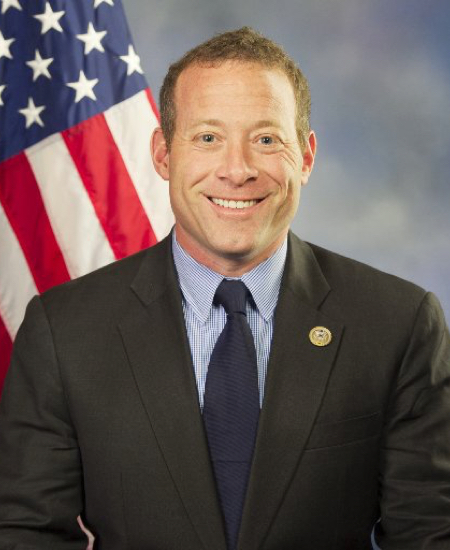

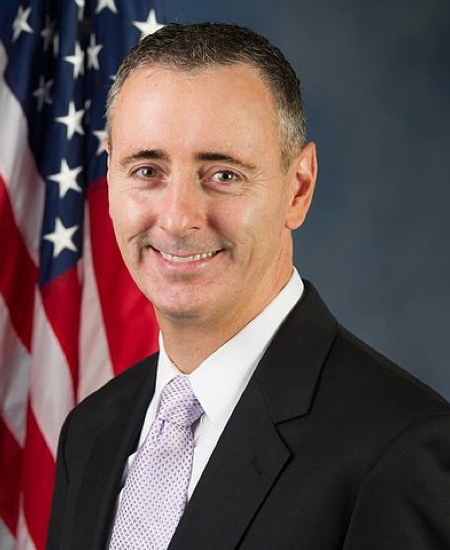


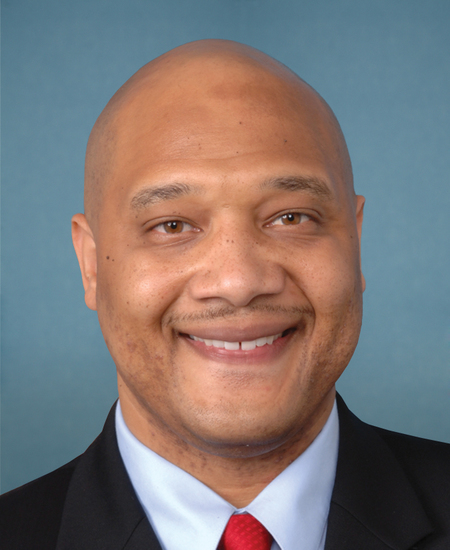
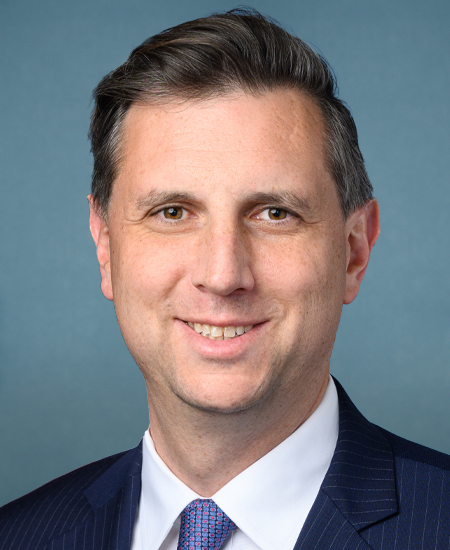




Discoveries
Patterns POLISCOPE noticed across the record. These are observations to investigate, not conclusions.
Integration of Military and Civilian Data
The bill explicitly mandates a system that integrates data from both civilian hospitals and military medical facilities, signaling a shift toward unified national vector surveillance.
Connected Entities
Sources
www.congress.gov
Analysis Score
0–100- Significance65How much this matters to a regular citizen
- Controversy20Intensity of disagreement among stakeholders
- Entertainment10Compellingness for a non-policy-wonk reader
- Buzz35Current news / social attention level
Publisher tools