
The civic record
Read. Follow. Verify.Missouri House Bill 2035 criminalizes AI-generated explicit material and sets civil penalties
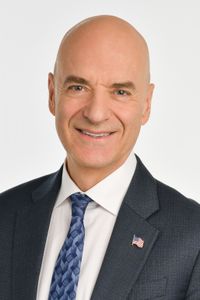
Last action · April 29, 2026: Public Hearing Held (S)Sponsors: Jeff Farnan and 3 others
Track this bill to get notified when it advances a stage. One tap to stop, anytime.
What This Bill Would Do
House Bill 2035 prohibits using to replicate or alter an individual's image or voice to generate explicit sexual material without their express written consent. Individuals injured by such violations may sue for actual damages, attorney fees, and costs, while violators face civil penalties up to $10,000 per violation enforceable by the attorney general.
Victims of unauthorized AI-generated explicit media gain a statutory right to sue for financial damages, and school-affiliated personnel face criminal misdemeanor charges for providing certain explicit materials to students.
- House Bill 2035 was introduced in the Missouri House of Representatives during the Second Regular Session of the 103rd General Assembly. context
Who It Would Affect
Groups the bill's text would affect if enacted, as described in the record. Being affected is not a position for or against it.
individuals whose likeness or voice may be replicated by AI
Individuals gain the right to give express written consent before their image or voice can be used for AI-generated explicit material and can sue for damages if violated.
school-affiliated personnel
Administrators, teachers, and other school-affiliated personnel face class A misdemeanor charges for knowingly providing explicit sexual material to students.
Attorney General
The attorney general is explicitly authorized to investigate suspected violations and commence actions for civil penalties.
Key Facts
You don't have to trust us. Each fact below is taken straight from the official document - click any one to see the exact passage, highlighted in the original.
Frequently Asked Questions
What happens if someone uses AI to generate explicit material of a person without permission?
Who is authorized to investigate violations regarding unauthorized AI-generated explicit material?
What else do you want to know?
News Coverage
Follow the record
Votes, people, money & the original sourceWhere This Stands
Currently passed chamber. The next step in the legislative lifecycle is Law.
Procedural history
24 actions- Apr 29, 2026SenatePublic Hearing Held (S)
- Apr 27, 2026SenatePublic Hearing Scheduled (S)
- Apr 8, 2026SenateCommitteeSecond read and referred: General Laws(S)
- Mar 30, 2026SenateReported to the Senate and First Read (S)
- Mar 26, 2026HouseFloorThird Read and Passed with Amendments (H)
- Mar 26, 2026HouseTaken Up for Third Reading (H)
Show 18 earlier actions
- Mar 26, 2026HousePlaced on the Informal Third Reading Calendar (H)
- Mar 23, 2026HousePerfected with Amendments (H)
- Mar 23, 2026HouseHCS Adopted (H)
- Mar 23, 2026HouseTitle of Bill - Agreed To
- Mar 23, 2026HouseTaken Up for Perfection (H)
- Mar 23, 2026HousePlaced on the Informal Perfection Calendar (H)
- Mar 10, 2026HouseCommitteeReported Do Pass (H)
- Mar 10, 2026HouseCommitteeVoted Do Pass (H)
- Mar 10, 2026HouseExecutive Session Completed (H)
- Mar 2, 2026HouseCommitteeReferred: Rules - Administrative(H)
- Feb 26, 2026HouseCommitteeHCS Reported Do Pass (H)
- Feb 25, 2026HouseCommitteeHCS Voted Do Pass (H)
- Feb 25, 2026HouseExecutive Session Completed (H)
- Feb 16, 2026HousePublic Hearing Completed (H)
- Jan 22, 2026HouseCommitteeReferred: Emerging Issues(H)
- Jan 8, 2026HouseFloorRead Second Time (H)
- Jan 7, 2026HouseIntroducedRead First Time (H)
- Dec 1, 2025HouseIntroducedPrefiled (H)
Version history
Only one version on file - nothing to compare yet. As later stages (committee substitute, engrossed, enrolled) are captured, the redline appears here.
View official text →Lobbying Activity
No state lobbying filings in our records match this bill. Federal lobbying reports (LDA) cover Congress, so they are not listed on state bills.
Full breakdown
Who this bill affects and the strongest case for and against it, written only from the bill’s own text.
Sponsors

Discoveries
Patterns POLISCOPE noticed across the record. These are observations to investigate, not conclusions.
Expansion of AI Liability in State Law
The bill establishes explicit civil remedies and penalties specifically targeting the unauthorized generation of explicit material using artificial intelligence.
Connected Entities
Sources
house.mo.gov
Analysis Score
0–100- Significance75How much this matters to a regular citizen
- Controversy60Intensity of disagreement among stakeholders
- Entertainment10Compellingness for a non-policy-wonk reader
- Buzz50Current news / social attention level
Publisher tools