
The civic record
Read. Follow. Verify.Michigan House Bill 4344 exempts emergency and disaster transport vehicles from federal driving hour limits
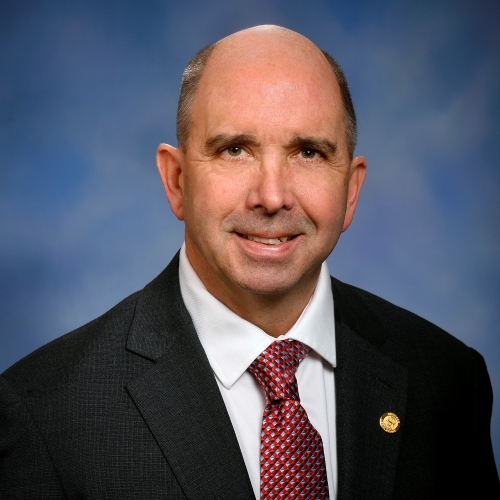
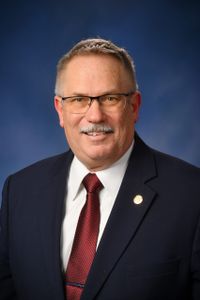
Last action · May 29, 2025: REFERRED TO COMMITTEE ON TRANSPORTATION AND INFRASTRUCTURESponsors: David Prestin and 11 others
Track this bill to get notified when it advances a stage. One tap to stop, anytime.
What This Bill Would Do
House Bill 4344 exempts vehicles traveling to assist with or directly assisting during a declared state of disaster or emergency from federal hours-of-service driving regulations under the Motor Carrier Safety Act of 1963.
Changes driver scheduling rules for commercial vehicles responding to emergencies in Michigan, allowing relief workers and transport operators to drive past standard hourly limits during official state disasters.
Who It Would Affect
Groups the bill's text would affect if enacted, as described in the record. Being affected is not a position for or against it.
Commercial motor vehicle operators
Operators traveling to assist with or directly assisting a disaster are exempt from hours-of-service rules during declared emergencies.
Department of State Police
Acts as the enforcing authority replacing federal entities under adopted motor carrier safety regulations.
Key Facts
- Exempts vehicles traveling to assist with or directly assisting with a disaster or emergency from 49 CFR part 395 relating to hours of service during a declared state of disaster or state of emergency.
- Applies during a state of disaster or state of emergency declared under the emergency management act, 1976 PA 390, MCL 30.401 to 30.421.
- Amends section 1a of the Motor Carrier Safety Act of 1963, 1963 PA 181, MCL 480.11a.
- Retains state adoption of specific title 49 code of federal regulations provisions regarding hazardous materials and motor carrier safety, with designated state agency substitutions.
Frequently Asked Questions
Does this bill remove all safety rules for emergency vehicles?
What triggers the driving hour exemption?
What else do you want to know?
News Coverage
Follow the record
Votes, people, money & the original sourceWhere This Stands
Currently passed both. The next step in the legislative lifecycle is Law.
Procedural history
13 actions- May 29, 2025SenateCommitteeREFERRED TO COMMITTEE ON TRANSPORTATION AND INFRASTRUCTURE
- May 29, 2025SenateFloorPASSED BY HOUSE WITH IMMEDIATE EFFECT
- May 21, 2025Housetransmitted
- May 21, 2025HouseFloorpassed; given immediate effect Roll Call #126 Yeas 103 Nays 2 Excused 0 Not Voting 5
- May 21, 2025HouseFloorread a third time
- May 20, 2025Houseplaced on third reading
Show 7 earlier actions
- May 20, 2025HouseFloorread a second time
- May 13, 2025Housereferred to second reading
- May 13, 2025HouseCommitteereported with recommendation without amendment
- Apr 22, 2025Housebill electronically reproduced 04/17/2025
- Apr 17, 2025HouseCommitteereferred to Committee on Transportation and Infrastructure
- Apr 17, 2025HouseIntroducedread a first time
- Apr 17, 2025HouseIntroducedintroduced by Representative Rep. Dave Prestin
Version history
Only one version on file - nothing to compare yet. As later stages (committee substitute, engrossed, enrolled) are captured, the redline appears here.
View official text →Lobbying Activity
No state lobbying filings in our records match this bill. Federal lobbying reports (LDA) cover Congress, so they are not listed on state bills.
Full breakdown
Who this bill affects and the strongest case for and against it, written only from the bill’s own text.
Sponsors




Connected Entities
Sources
legislature.mi.gov
Analysis Score
0–100- Significance45How much this matters to a regular citizen
- Controversy15Intensity of disagreement among stakeholders
- Entertainment5Compellingness for a non-policy-wonk reader
- Buzz25Current news / social attention level
Publisher tools