
The civic record
Read. Follow. Verify.Texas establishes education savings account program for eligible students starting in 2026
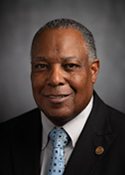
Last action · March 12, 2025: Referred to Public EducationSponsor: Charles Cunningham
Track this bill to get notified when it advances a stage. One tap to stop, anytime.
What This Bill Proposed
The Comptroller of Public Accounts is required to establish an by September 1, 2025, providing funds for private school tuition and other educational expenses for eligible children beginning with the 2026-2027 school year. Eligible participants receive annual payments equal to 90 percent of the per-student amount their local school district would have received under , while the local district retains 10 percent.
Parents of qualifying students with disabilities, educational disadvantages, or academic performance challenges can receive state-allocated funds deposited into managed accounts to pay for private school tuition, textbooks, transportation, and specialized therapies.
Who It Would Have Affected
Groups the bill's text would have affected, as described in the record. Being affected is not a position for or against it.
Parents of eligible children
Parents can apply to act as trustees of education savings accounts, receive quarterly state-funded deposits, and direct funds toward approved private education expenses.
School districts
School districts receive 10 percent of the funding amount they would have otherwise been entitled to receive under Chapter 48 for participating resident students.
Private schools and educational vendors
Private schools and vendors can receive program funds for tuition, fees, and educational products without becoming subject to state curriculum modifications or federal financial assistance regulations.
Key Facts
You don't have to trust us. Each fact below is taken straight from the official document - click any one to see the exact passage, highlighted in the original.
Frequently Asked Questions
Which children are eligible to participate in the education savings account program?
What expenses can program funds be used to pay for?
How much money does a participating student's account receive?
What happens to leftover money in an account at the end of the fiscal year?
What else do you want to know?
News Coverage
Follow the record
Votes, people, money & the original sourceWhere This Stands
This bill did not become law - Died at adjournment · in House committee.
Procedural history
3 actions- Mar 12, 2025HouseCommitteeReferred to Public Education
- Mar 12, 2025HouseIntroducedRead first time
- Dec 18, 2024HouseIntroducedFiled
Version history
Only one version on file - nothing to compare yet. As later stages (committee substitute, engrossed, enrolled) are captured, the redline appears here.
View official text →Lobbying Activity
No state lobbying filings in our records match this bill. Federal lobbying reports (LDA) cover Congress, so they are not listed on state bills.
Full breakdown
Who this bill affects and the strongest case for and against it, written only from the bill’s own text.
Sponsors
Discoveries
Patterns POLISCOPE noticed across the record. These are observations to investigate, not conclusions.
Establishment of Private Education Funding Mechanism
The legislation redirects a substantial percentage of baseline per-student funding formulas to private education accounts managed by the comptroller while retaining a 10 percent share for local public school districts.
Connected Entities
Sources
capitol.texas.gov
Analysis Score
0–100- Significance20Lowered because this bill did not pass (its text scored 90)
- Controversy85Intensity of disagreement among stakeholders
- Entertainment10Compellingness for a non-policy-wonk reader
- Buzz80Current news / social attention level
Publisher tools