
The civic record
Read. Follow. Verify.Michigan House Bill 4664 makes blocking state highways during assemblies a misdemeanor
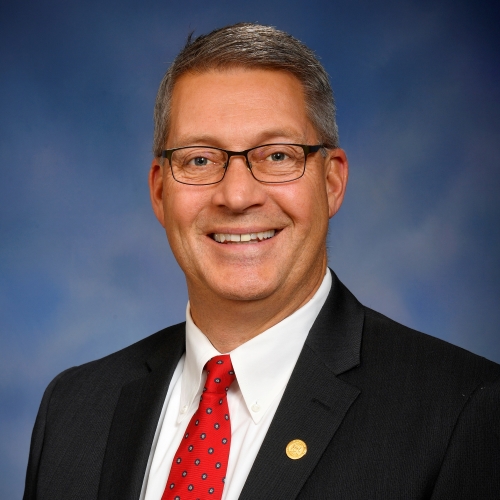
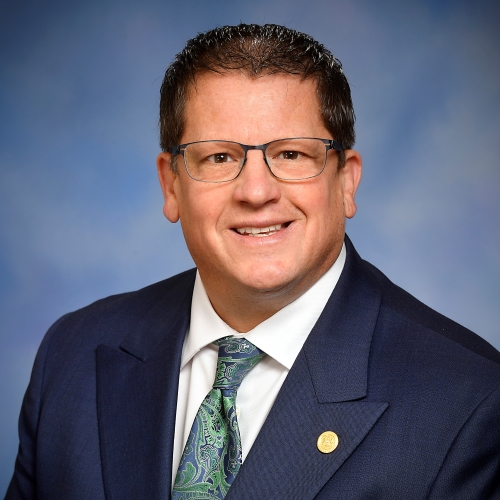
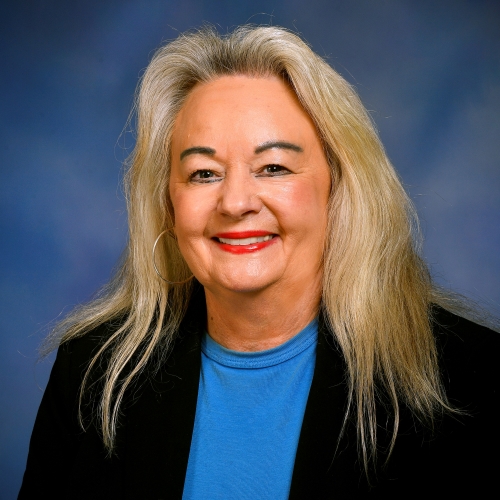
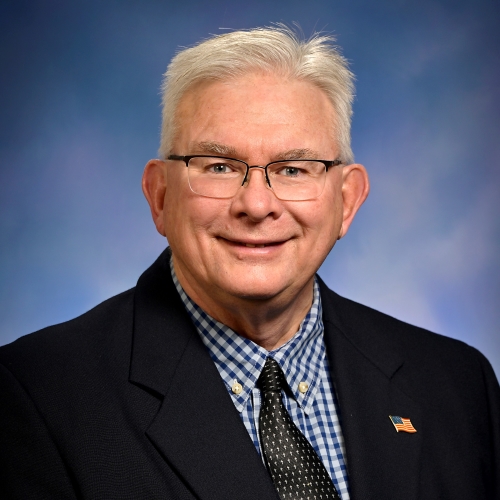
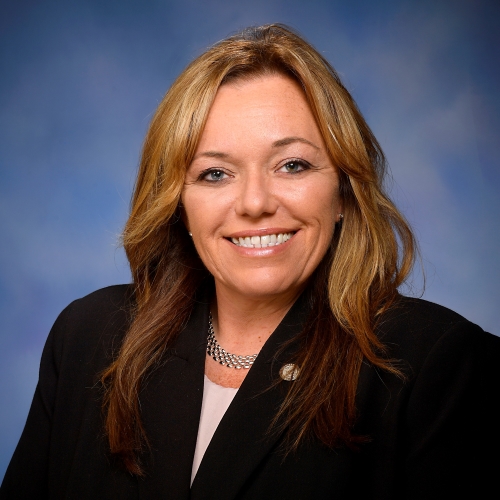
Last action · September 18, 2025: REFERRED TO COMMITTEE ON CIVIL RIGHTS, JUDICIARY, AND PUBLIC SAFETYSponsors: Alicia St. Germaine and 32 others
Track this bill to get notified when it advances a stage. One tap to stop, anytime.
What This Bill Would Do
Michigan House Bill 4664 establishes that individuals who block, obstruct, or interfere with public street or highway traffic while participating in an assembly are guilty of a punishable by up to 93 days in jail, a fine of up to $5,000, or both. The legislation modifies penalties previously treated as s, while maintaining specific exemptions for authorized utility work and compliant charitable solicitations.
Participants in highway assemblies face criminal charges and monetary penalties for impeding traffic, changing the legal accountability for demonstrators compared to prior standards.
Who It Would Affect
Groups the bill's text would affect if enacted, as described in the record. Being affected is not a position for or against it.
individuals participating in assemblies on highways
Individuals face criminal misdemeanor charges, potential jail time up to 93 days, and fines up to $5,000 for blocking traffic during an assembly.
charitable or civic organizations
Organizations must comply with insurance requirements, age minimums, and safety apparel standards to conduct legal roadway solicitations.
local governments and road authorities
Local governments gain explicit immunity from liability for damages arising from permitted charitable roadway solicitations and retain authority to regulate such activities.
Key Facts
You don't have to trust us. Each fact below is taken straight from the official document - click any one to see the exact passage, highlighted in the original.
Frequently Asked Questions
What happens if someone blocks a highway while participating in an assembly?
Are charitable organizations still permitted to solicit donations on roadways?
What else do you want to know?
News Coverage
Follow the record
Votes, people, money & the original sourceWhere This Stands
Currently passed both. The next step in the legislative lifecycle is Law.
Procedural history
15 actions- Sep 18, 2025SenateCommitteeREFERRED TO COMMITTEE ON CIVIL RIGHTS, JUDICIARY, AND PUBLIC SAFETY
- Sep 18, 2025SenateFloorPASSED BY HOUSE WITH IMMEDIATE EFFECT
- Sep 16, 2025Housetransmitted
- Sep 16, 2025HouseFloorpassed; given immediate effect Roll Call #205 Yeas 61 Nays 42 Excused 0 Not Voting 7
- Sep 10, 2025Housepostponed temporarily
- Sep 10, 2025HouseFloorread a third time
Show 9 earlier actions
- Sep 9, 2025Houseplaced on third reading
- Sep 9, 2025HouseFloorsubstitute (H-1) adopted
- Sep 9, 2025HouseFloorread a second time
- Aug 27, 2025Housereferred to second reading
- Aug 27, 2025HouseCommitteereported with recommendation with substitute (H-1)
- Jun 18, 2025Housebill electronically reproduced 06/17/2025
- Jun 17, 2025HouseCommitteereferred to Committee on Judiciary
- Jun 17, 2025HouseIntroducedread a first time
- Jun 17, 2025HouseIntroducedintroduced by Representative Rep. Alicia St. Germaine
Version history
Only one version on file - nothing to compare yet. As later stages (committee substitute, engrossed, enrolled) are captured, the redline appears here.
View official text →Lobbying Activity
No state lobbying filings in our records match this bill. Federal lobbying reports (LDA) cover Congress, so they are not listed on state bills.
Full breakdown
Who this bill affects and the strongest case for and against it, written only from the bill’s own text.
Sponsors


Show 28 more sponsors








Connected Entities
Sources
legislature.mi.gov
Analysis Score
0–100- Significance75How much this matters to a regular citizen
- Controversy85Intensity of disagreement among stakeholders
- Entertainment10Compellingness for a non-policy-wonk reader
- Buzz60Current news / social attention level
Publisher tools