
The civic record
Read. Follow. Verify.West Virginia Senate Bill 764 restricts specific synthetic food dyes and preservatives in food and…
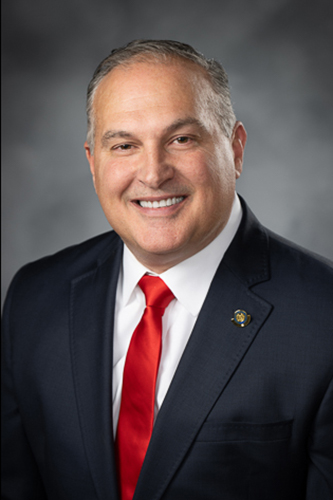
Last action · February 5, 2026: To Health and Human ResourcesSponsor: Brian Helton
Track this bill to get notified when it advances a stage. One tap to stop, anytime.
What This Bill Proposed
West Virginia Senate Bill 764 classifies specific synthetic food dyes and chemical preservatives as adulterants in food and establishes civil penalties for manufacturing or selling foods containing these additives. The restrictions apply to products manufactured on or after January 1, 2028. Sellers with less than $5,000 in aggregate monthly sales of foods containing these specific additives are exempt from the civil penalties.
Food manufacturers and sellers statewide face civil fines up to $500 plus analysis costs for distributing products containing newly restricted additives, while small-scale sellers with under $5,000 in monthly sales of such products are exempt.
Who It Would Have Affected
Groups the bill's text would have affected, as described in the record. Being affected is not a position for or against it.
food manufacturers
Food manufacturers must reformulate products manufactured on or after January 1, 2028, to exclude specified synthetic dyes and preservatives to avoid civil penalties.
food sellers
Sellers offering foods containing restricted additives face civil fines of up to $500 unless their aggregate monthly sales of such items remain under $5,000.
consumers
Consumers experience changes in the ingredient composition of food products sold within the state starting in 2028.
Key Facts
- Adds legislative findings linking synthetic food dyes and preservatives to health concerns including cancer risks and childhood hyperactivity.
- Classifies butylated hydroxyanisole, propylparaben, FD&C Blue No. 1, FD&C Blue No. 2, FD&C Green No. 3, FD&C Red No. 3, FD&C Red No. 40, FD&C Yellow No. 5, and FD&C Yellow No. 6 as prohibited added substances in food.
- Establishes civil penalties of not more than $500 for knowingly manufacturing for sale, offering for sale, or selling adulterated food containing the specified additives without notifying the buyer.
- Requires violators of the additive restrictions to pay the cost and expense of analyzing the adulterated food, not exceeding $25, taxed in favor of the state Department of Health.
Show all 7 facts
- Exempts sellers offering less than $5,000 in aggregate monthly sales of food adulterated by the specified additives from the civil penalties.
- Specifies that criminal misdemeanor penalties do not apply to foods adulterated solely by adding the newly restricted preservatives and synthetic color additives.
- Sets an effective date of January 1, 2028, for amendments affecting products manufactured on or after that date.
Frequently Asked Questions
Which specific food additives and dyes are restricted under this bill?
What is the penalty for selling foods containing these restricted substances?
Are small businesses exempt from these civil penalties?
What else do you want to know?
News Coverage
Follow the record
Votes, people, money & the original sourceWhere This Stands
This bill did not become law - Died at adjournment · in Senate committee.
Procedural history
4 actions- Feb 5, 2026SenateCommitteeTo Health and Human Resources
- Feb 5, 2026SenateIntroducedIntroduced in Senate
- Feb 5, 2026SenateCommitteeTo Health and Human Resources
- Feb 5, 2026SenateIntroducedFiled for introduction
Version history
Only one version on file - nothing to compare yet. As later stages (committee substitute, engrossed, enrolled) are captured, the redline appears here.
View official text →Lobbying Activity
No state lobbying filings in our records match this bill. Federal lobbying reports (LDA) cover Congress, so they are not listed on state bills.
Full breakdown
Who this bill affects and the strongest case for and against it, written only from the bill’s own text.
Sponsors
Connected Entities
Sources
www.wvlegislature.gov
Analysis Score
0–100- Significance20Lowered because this bill did not pass (its text scored 65)
- Controversy50Intensity of disagreement among stakeholders
- Entertainment10Compellingness for a non-policy-wonk reader
- Buzz35Current news / social attention level
Publisher tools