
NewsWPLG Local 10 – Main FeedAugust 3, 2026Miami-Dade County
U.S. and Japan intervene in currency markets to strengthen the Japanese yen
Photo: WPLG Local 10 – Main Feed
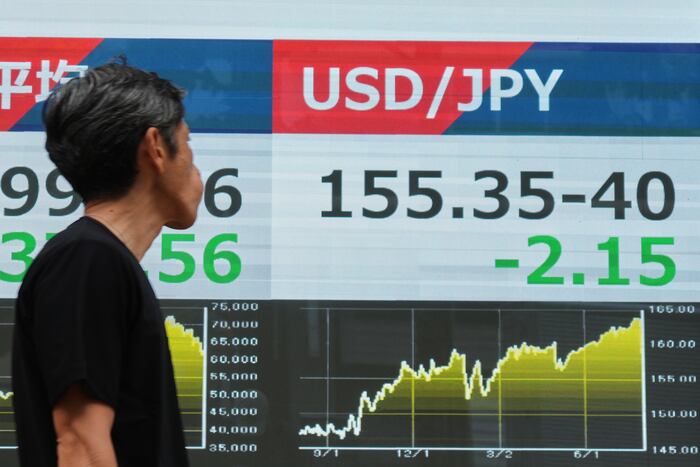
The U.S. and Japanese governments have conducted a joint market intervention to boost the value of the Japanese yen against the U.S. dollar. This rare coordinated action follows a period where the dollar reached 40-year highs, causing significant inflation and cost-of-living pressures in Japan.
Read the full story at WPLG Local 10 – Main FeedWhy It Matters
This intervention directly impacts the exchange rate between the dollar and the yen, which influences the cost of imported goods in Japan and the competitiveness of U.S. exports.
Key Facts
- The U.S. dollar fell from over 163 yen to nearly 155.20 yen following the joint intervention.
- The U.S. Treasury Department and the Japanese Finance Ministry coordinated the purchase of yen.
- The Federal Reserve maintains interest rates at 3.5%-3.75%, while the Bank of Japan maintains rates at 1%.
- The interest rate gap between the U.S. and Japan encourages investors to sell yen and buy dollars.
- Japanese Prime Minister Takaichi is considering cutting the sales tax on food from 8% to 1%.
- The last major joint intervention of this type occurred following the 2011 earthquake and tsunami in Japan.
- A weaker dollar makes U.S.-made goods cheaper and more competitive in Japan.
Who's Mentioned
PersonStephen Innes“Analyst at SPI Asset Management”PersonNeil Newman“Managing director at Astris Advisory Japan”OrganizationBank of Japan“Central bank of Japan”PersonSanae Takaichi“Japanese Prime Minister”PersonSatsuki Katayama“Japanese Finance Minister”OrganizationFederal Reserve“Central bank of the United States”PersonDonald Trump“U.S. President who confirmed the intervention”PersonShigeto Nagai“Head of Japan economics for Oxford Economics”OrganizationU.S. Treasury Department“U.S. government department involved in the intervention”