
The civic record
Read. Follow. Verify.Oklahoma creates Ensuring Transparency in Prescription Drugs Prior Authorization Act
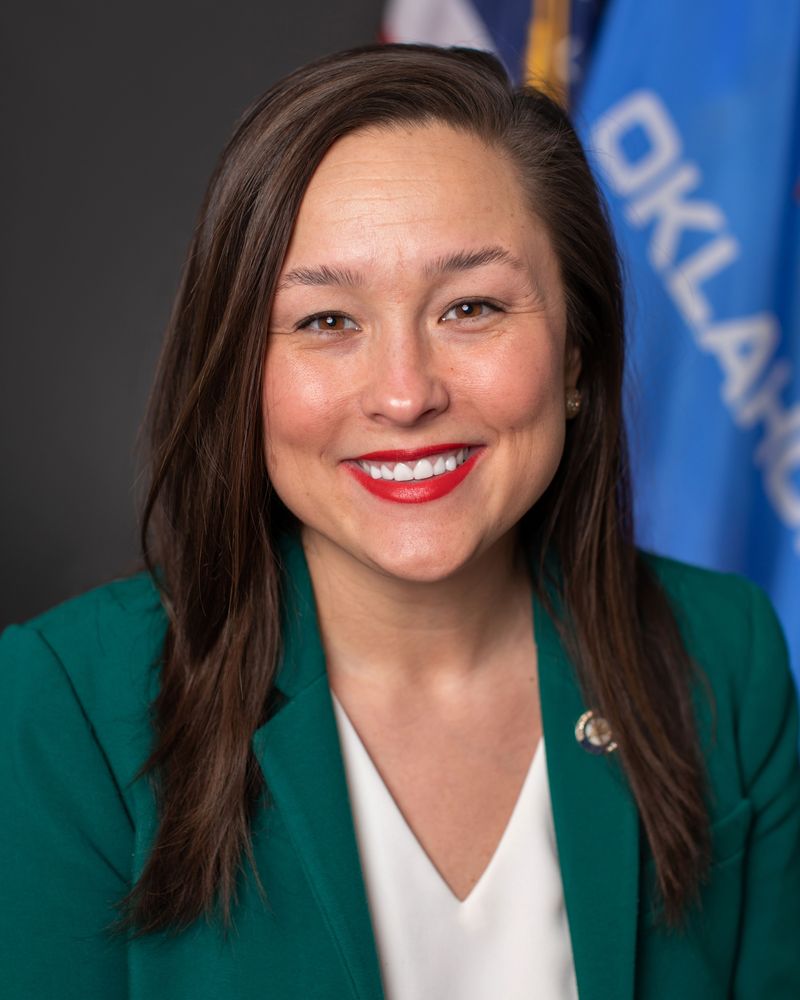
Last action · May 29, 2025: Becomes law without Governor's signature 05/29/2025Sponsors: Cyndi Munson and 8 others
Track this bill to get notified when it advances a stage. One tap to stop, anytime.
What This Bill Does
Oklahoma law establishes the Ensuring Transparency in Prescription Drugs Prior Authorization Act, setting strict decision deadlines, mandatory disclosure of clinical criteria, and a three-year validity period for chronic condition drug approvals. The measure applies to health plans, pharmacy benefits managers, and the Oklahoma Medicaid State Plan beginning November 1, 2025.
Enrollees and health care providers face new procedural timelines and transparency requirements when requesting and appealing prescription drug coverage approvals, with penalties up to $5,000 per violation enforceable by state regulators.
- The State of Oklahoma operates under constitutional guidelines where bills passed by both legislative chambers can become law without the Governor's signature after a set period, as occurred with this measure on May 29, 2025. context
Who It Affects
Groups the bill's text affects, as described in the record. Being affected is not a position for or against it.
Enrollees
Enrollees receive mandatory notification of prior authorization changes, benefit from three-year validity periods for chronic conditions, and experience structured timelines for urgent and nonurgent drug approvals.
Health care providers
Health care providers gain accessible online clinical criteria, mandatory 60-day advance notice of requirement changes, and automatic authorization if review entities miss decision deadlines.
Utilization review entities
Utilization review entities must publish clinical criteria, ensure qualified medical personnel review adverse determinations and appeals, and comply with strict turnaround timeframes.
Pharmacy benefits managers
Pharmacy benefits managers are subject to transparency rules, qualification standards for adverse determinations, and potential penalties of up to $5,000 per violation enforced by the Attorney General.
Key Facts
You don't have to trust us. Each fact below is taken straight from the official document - click any one to see the exact passage, highlighted in the original.
Frequently Asked Questions
How quickly must health plans decide prior authorization requests?
How long does a prior authorization last for a chronic condition?
Are emergency prescription drugs subject to prior authorization?
What happens if a health plan misses the deadline to approve or deny a request?
What else do you want to know?
News Coverage
Follow the record
Votes, people, money & the original sourceWhere This Stands
Current status: Became law without the governor's signature.
Procedural history
47 actions- May 29, 2025HouseBecomes law without Governor's signature 05/29/2025
- May 22, 2025HouseSent to Governor
- May 22, 2025SenateEnrolled measure signed, returned to House
- May 22, 2025HouseEnrolled, signed, to Senate
- May 22, 2025HouseCommitteeReferred for enrollment
- May 22, 2025SenateFloorMeasure passed, to House: Ayes: 42 Nays: 0
Show 41 earlier actions
- May 22, 2025SenateFloorCCR adopted, GCCA
- May 22, 2025SenateCCR read, GCCA
- May 22, 2025HouseTo Senate
- May 22, 2025HouseFloorFourth Reading, Measure passed: Ayes: 80 Nays: 7
- May 22, 2025HouseFloorCCR adopted
- May 21, 2025HouseEnacting clause restored
- May 21, 2025HouseTitle restored
- May 21, 2025HouseCoauthored by Representative(s) Menz, Alonso-Sandoval
- May 21, 2025HouseCCR submitted
- May 15, 2025SenateConference granted, GCCA
- May 15, 2025HouseCommitteeHC's named: Conference Committee on Commerce and Economic Development Oversight
- May 14, 2025HouseSA's rejected, conference requested, conferees to be named later
- May 12, 2025HouseSA's received
- May 12, 2025SenateEngrossed to House
- May 8, 2025SenateCommitteeReferred for engrossment
- May 8, 2025SenateFloorMeasure passed: Ayes: 42 Nays: 1
- May 8, 2025SenateGeneral Order, Considered
- Apr 28, 2025SenatePlaced on General Order
- Apr 23, 2025SenateEnacting clause stricken
- Apr 23, 2025SenateFloorReported Do Pass as amended Appropriations committee; CR filed
- Apr 10, 2025SenateCommitteeReferred to Appropriations
- Apr 10, 2025SenateFloorReported Do Pass Business and Insurance committee; CR filed
- Apr 7, 2025SenateCoauthored by Senator Stanley
- Apr 1, 2025SenateCommitteeSecond Reading referred to Business and Insurance Committee then to Appropriations Committee
- Mar 25, 2025SenateIntroducedFirst Reading
- Mar 25, 2025HouseEngrossed, signed, to Senate
- Mar 24, 2025HouseCommitteeReferred for engrossment
- Mar 24, 2025HouseFloorThird Reading, Measure passed: Ayes: 88 Nays: 7
- Mar 24, 2025HouseTitle stricken
- Mar 24, 2025HouseAmended
- Mar 24, 2025HouseAmended by floor substitute
- Mar 24, 2025HouseCoauthored by Representative(s) Pae, Miller, Munson, Dempsey, Lawson
- Mar 24, 2025HouseGeneral Order
- Mar 10, 2025HouseCoauthored by Representative(s) Deck
- Mar 10, 2025HouseFloorCR; Do Pass, amended by committee substitute Commerce and Economic Development Oversight Committee
- Feb 25, 2025HouseAuthored by Senator Rader (principal Senate author)
- Feb 25, 2025HouseFloorPolicy recommendation to the Commerce and Economic Development Oversight committee; Do Pass, amended by committee substitute Insurance
- Feb 4, 2025HouseCommitteeReferred to Insurance
- Feb 4, 2025HouseCommitteeSecond Reading referred to Commerce and Economic Development Oversight
- Feb 3, 2025HouseAuthored by Representative Newton
- Feb 3, 2025HouseIntroducedFirst Reading
Version history
Only one version on file - nothing to compare yet. As later stages (committee substitute, engrossed, enrolled) are captured, the redline appears here.
View official text →Lobbying Activity
No state lobbying filings in our records match this bill. Federal lobbying reports (LDA) cover Congress, so they are not listed on state bills.
Full breakdown
Who this bill affects and the strongest case for and against it, written only from the bill’s own text.
Sponsors




Show 4 more sponsors



Discoveries
Patterns POLISCOPE noticed across the record. These are observations to investigate, not conclusions.
Introduction of Mandated Prior Authorization Timelines
The legislation enforces rigid hourly and daily response limits for urgent and nonurgent prescription drug requests, altering standard insurance review operations.
Connected Entities
Sources
www.oklegislature.gov
Analysis Score
0–100- Significance85How much this matters to a regular citizen
- Controversy40Intensity of disagreement among stakeholders
- Entertainment5Compellingness for a non-policy-wonk reader
- Buzz30Current news / social attention level
Publisher tools