
The civic record
Read. Follow. Verify.Missouri bill explicitly bars AI from legal personhood, marriage, and property ownership while setting strict…
Last action · March 30, 2026: Reported Do Pass (H)Sponsors: Scott Miller and 1 other
Track this bill to get notified when it advances a stage. One tap to stop, anytime.
What This Bill Would Do
House Bill 1746 declares all systems non-sentient under state law, prohibiting them from receiving legal personhood, marrying humans, serving as corporate officers, or owning property. The measure takes effect on August 28, 2026, and holds owners, developers, and manufacturers legally responsible for any harms caused by their AI systems.
The measure establishes clear legal accountability for automated systems by ensuring that can never be held at fault for damages or crimes, placing total liability instead on human operators and corporate entities. For residents and businesses, this means human owners and developers face direct legal exposure and potential product liability for any harms or property damage caused by deployed AI software.
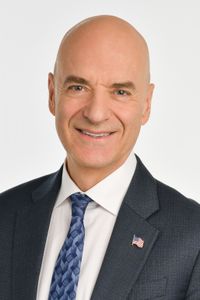
- House Bill 1746 was introduced during the 2026 Regular Session of the Missouri General Assembly by Representative Miller. context
Who It Would Affect
Groups the bill's text would affect if enacted, as described in the record. Being affected is not a position for or against it.
Artificial Intelligence Developers and Manufacturers
Developers and manufacturers face potential product liability for design defects or faulty instructions that proximately cause harm, and must prioritize safety mechanisms and risk assessments.
Artificial Intelligence Owners and Users
Owners and users are held directly responsible for any direct or indirect harm caused by their AI systems and are required to maintain proper oversight and control measures.
Key Facts
- AI systems are declared legally non-sentient and cannot be granted legal personhood, consciousness, or self-awareness under state law.
- Any purported attempt to marry an AI system or form a personal domestic union with one is rendered completely void.
- AI systems are prohibited from serving as an officer, director, or manager within any corporation, partnership, or legal entity.
- AI systems cannot own, control, or hold title to real estate, intellectual property, financial accounts, or digital assets.
Show all 11 facts
- All assets and proprietary interests generated or managed by AI are attributed directly to the human individuals or organizations responsible for them.
- Owners or users who direct or employ an AI system are responsible for any direct or indirect harm caused by its operation or output.
- Developers or manufacturers can be held liable under product liability principles if a design defect, construction flaw, or faulty instruction proximately causes harm.
- Owners must maintain proper oversight and control measures over AI systems whose outputs could impact human welfare, property, or public safety.
- Courts may pierce the corporate veil to hold parent companies or key stakeholders accountable if an AI subsidiary was undercapitalized to evade damages.
- Owners or developers involved in severe incidents resulting in significant bodily harm, death, or major property damage must promptly notify relevant authorities.
- The provisions of the act apply to all AI systems developed, owned, deployed, or operated on or after August 28, 2026.
Frequently Asked Questions
Can an artificial intelligence system own property or corporate stock in Missouri under this bill?
Who is held legally liable if an artificial intelligence system causes physical or financial harm?
Does labeling an artificial intelligence system as ethically trained or aligned release the owner from liability?
What else do you want to know?
News Coverage
How the 9/11 attacks changed life in uniform
This news article examines how the September 11 terrorist attacks transformed military service over the past 25 years, shifting the U.S. armed forces from a peacetime all-volunteer force to one characterized by continuous combat. Through the perspective of Marine Corps Sergeant Major Hector Rivera, the article traces the impact of deployments in Iraq and Afghanistan, the 2021 Kabul evacuation, and the ongoing evolution of military strategy.
In a divided America, the left and right unite to oppose artificial intelligence data centers
In a divided America, left and right unite to oppose artificial intelligence data centers
The Latest: Trump picks top White House aide Dr. Heidi Overton to lead FDA
President Trump has nominated Dr. Heidi Overton as FDA Commissioner and announced a new economic campaign against Iran, while the U.S. national debt reached $40 trillion. Additionally, the FTC proposed new rules against personalized pricing, and a Missouri court upheld new congressional district maps.
The Latest: Michigan Democratic Senate primary is a test between progressives and the establishment
Voters in Virginia and other states have selected party nominees for upcoming congressional and Senate general elections. These results finalize the candidate matchups for the November general election, which will determine control of the U.S. House and Senate.
Bias ratings based on AllSides / Media Bias/Fact Check
Follow the record
Votes, people, money & the original sourceWhere This Stands
Currently in committee. The next step in the legislative lifecycle is Floor Vote.
Procedural history
14 actions- Mar 30, 2026HouseCommitteeReported Do Pass (H)
- Mar 30, 2026HouseCommitteeVoted Do Pass (H)
- Mar 30, 2026HouseExecutive Session Completed (H)
- Mar 11, 2026HouseCommitteeReferred: Rules - Administrative(H)
- Feb 26, 2026HouseCommitteeHCS Reported Do Pass (H)
- Feb 25, 2026HouseCommitteeHCS Voted Do Pass (H)
Show 8 earlier actions
- Feb 25, 2026HouseExecutive Session Completed (H)
- Feb 16, 2026HouseAction Postponed (H)
- Feb 16, 2026HouseExecutive Session Continued
- Feb 2, 2026HousePublic Hearing Completed (H)
- Jan 8, 2026HouseCommitteeReferred: Emerging Issues(H)
- Jan 8, 2026HouseFloorRead Second Time (H)
- Jan 7, 2026HouseIntroducedRead First Time (H)
- Dec 1, 2025HouseIntroducedPrefiled (H)
Version history
Only one version on file - nothing to compare yet. As later stages (committee substitute, engrossed, enrolled) are captured, the redline appears here.
View official text →Lobbying Activity
No state lobbying filings in our records match this bill. Federal lobbying reports (LDA) cover Congress, so they are not listed on state bills.
Full breakdown
Who this bill affects and the strongest case for and against it, written only from the bill’s own text.
Sponsors

Discoveries
Patterns POLISCOPE noticed across the record. These are observations to investigate, not conclusions.
Comprehensive Statutory Exclusion of AI Personhood
The bill preemptively bars any form of legal personhood, marriage, corporate officer status, or property ownership for artificial intelligence systems.
Connected Entities
Sources
house.mo.gov
Analysis Score
0–100- Significance85How much this matters to a regular citizen
- Controversy40Intensity of disagreement among stakeholders
- Entertainment10Compellingness for a non-policy-wonk reader
- Buzz75Current news / social attention level
Publisher tools