
The civic record
Read. Follow. Verify.Restore Protections for Dialysis Patients Act (H.R. 2199)
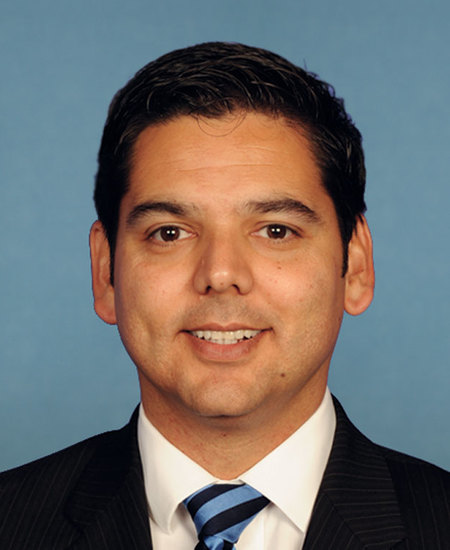
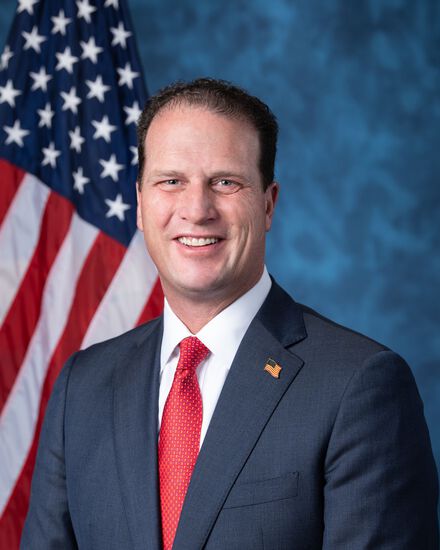
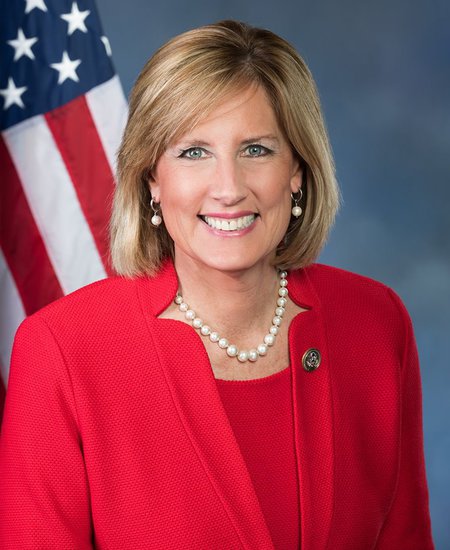
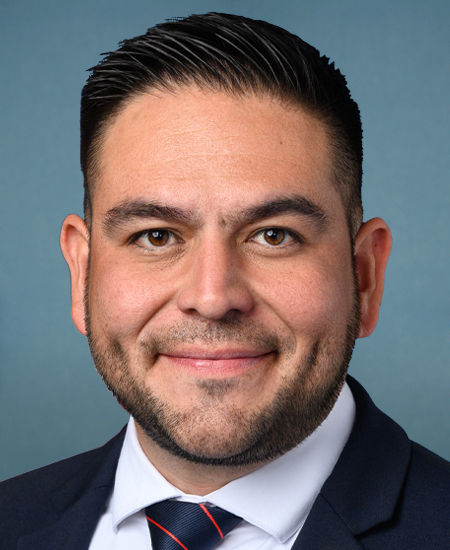
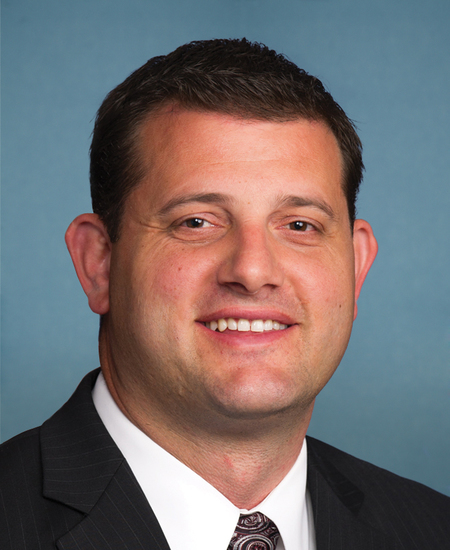
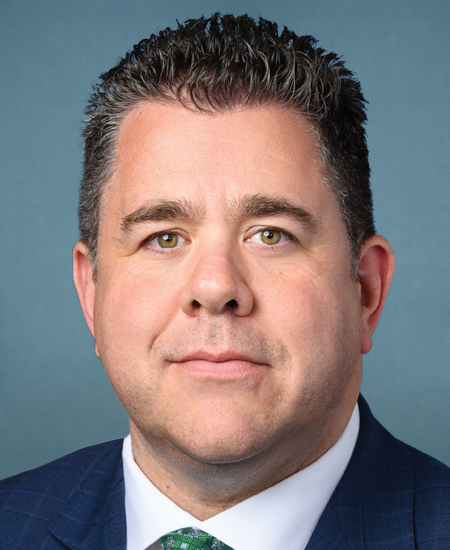
Last action · March 18, 2025: Referred to the Committee on Ways and Means, and in addition to the Committee on Energy and Commerce, for a period to be subsequently determined by the Speaker, in each case for consideration of such provisions as fall within the jurisdiction of the committee concerned.Sponsors: Mike Kelly and 81 others
Track this bill to get notified when it advances a stage. One tap to stop, anytime.
What This Bill Would Do
This bill aims to prevent private health insurance plans from discriminating against patients with . It clarifies that insurance plans cannot limit coverage for dialysis services or shift the primary cost of care for these patients onto Medicare.
This bill would legally prohibit private health insurance plans from offering inferior coverage to patients with kidney failure compared to other enrollees, ensuring private plans remain the primary payer for these services.
Who It Would Affect
Groups the bill's text would affect if enacted, as described in the record. Being affected is not a position for or against it.
Patients with End-Stage Renal Disease (ESRD)
The bill prohibits health plans from providing them with different benefits or coverage limitations compared to other plan members.
Group health insurance plans
Plans must ensure their benefit structures do not discriminate against or disparately impact ESRD patients.
Medicare program
The bill aims to prevent the shifting of primary care costs for ESRD patients from private plans to Medicare.
Key Facts
- Prohibits group health plans from differentiating benefits between individuals with ESRD and other individuals.
- Bans health plans from applying benefit limitations that disparately affect individuals with ESRD.
- Prevents health insurance plans from shifting the primary cost of ESRD care to the Medicare program.
- Explicitly states that plans are not required to include specific renal dialysis providers or a specific number of providers in their networks.
Show all 6 facts
- Amends Section 1862(b)(1)(C) of the Social Security Act.
- Requires the Secretary of Health and Human Services to enforce these provisions consistent with existing federal regulations (42 CFR part 411).
Frequently Asked Questions
Does this bill force insurance companies to include every dialysis clinic in their network?
What is the main goal of this legislation?
What else do you want to know?
News Coverage
Follow the record
Votes, people, money & the original sourceWhere This Stands
Currently in committee. The next step in the legislative lifecycle is Floor Vote.
Procedural history
2 actions- Mar 18, 2025HouseCommitteeReferred to the Committee on Ways and Means, and in addition to the Committee on Energy and Commerce, for a period to be subsequently determined by the Speaker, in each case for consideration of such provisions as fall within the jurisdiction of the committee concerned.
- Mar 18, 2025HouseIntroducedIntroduced in House
Version history
Only one version on file - nothing to compare yet. As later stages (committee substitute, engrossed, enrolled) are captured, the redline appears here.
View official text →Full breakdown
Who this bill affects and the strongest case for and against it, written only from the bill’s own text.
Sponsors
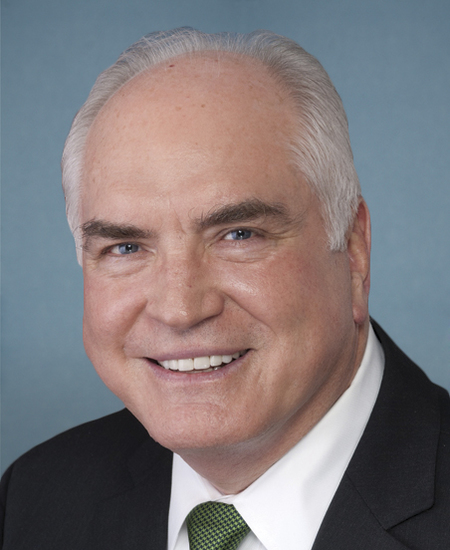


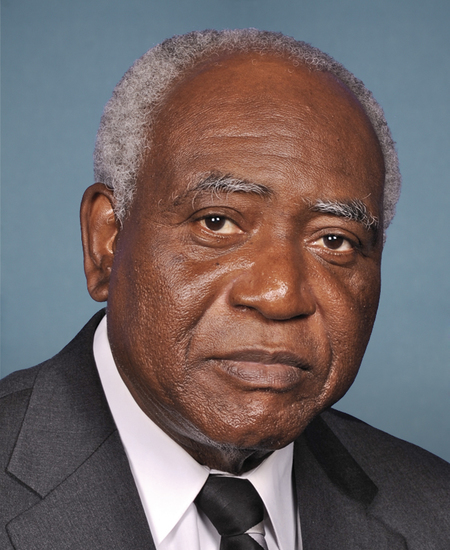

Show 77 more sponsors













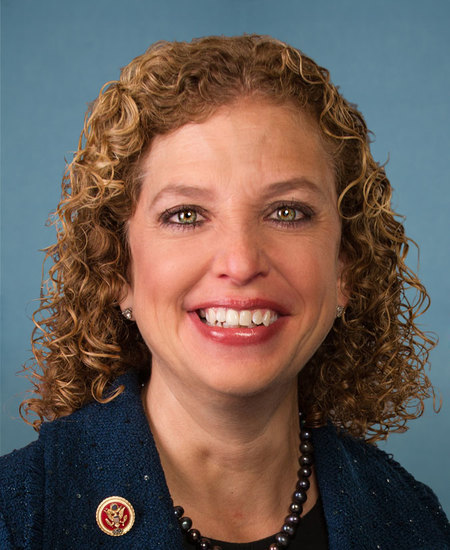




















































Discoveries
Patterns POLISCOPE noticed across the record. These are observations to investigate, not conclusions.
Clarification of Network Autonomy
The bill includes a specific carve-out to ensure that while benefit discrimination is prohibited, insurance plans retain their existing rights to curate their provider networks.
Connected Entities
Sources
www.congress.gov
Analysis Score
0–100- Significance65How much this matters to a regular citizen
- Controversy40Intensity of disagreement among stakeholders
- Entertainment10Compellingness for a non-policy-wonk reader
- Buzz25Current news / social attention level
Publisher tools