
The civic record
Read. Follow. Verify.Let Experienced Pilots Fly Act
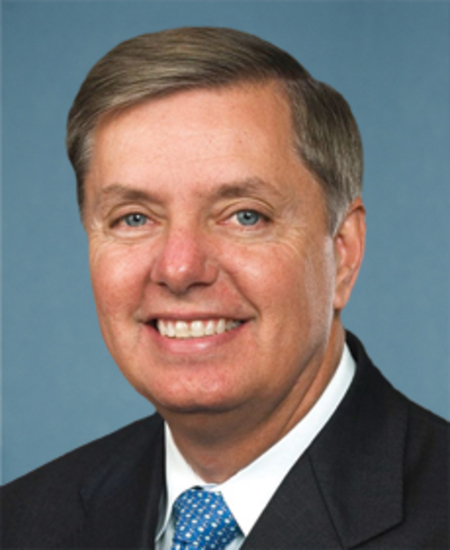
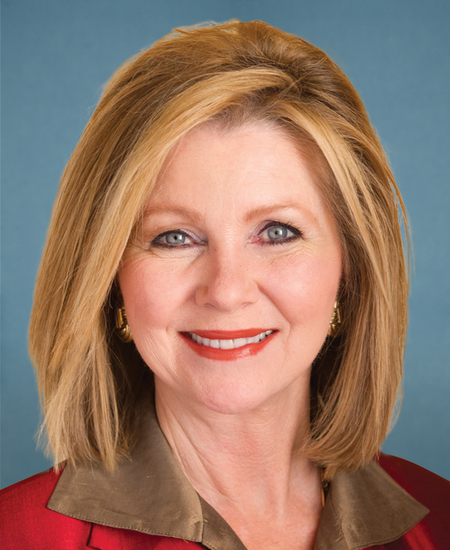
Last action · April 30, 2026: Read twice and referred to the Committee on Commerce, Science, and Transportation.Sponsors: Lindsey Graham and 3 others
Track this bill to get notified when it advances a stage. One tap to stop, anytime.
What This Bill Would Do
This bill proposes raising the mandatory retirement age for commercial airline pilots from 65 to 67. It also allows certain air carriers to set a voluntary retirement age of 70 for specific types of operations, provided they notify the Federal Aviation Administration.
This bill would change the legal employment age limit for commercial pilots, potentially increasing the number of active pilots and impacting labor agreements and benefit plans for air carriers.
Who It Would Affect
Groups the bill's text would affect if enacted, as described in the record. Being affected is not a position for or against it.
Commercial Pilots
The bill changes the age at which they are legally permitted to work and impacts their seniority and benefit plans.
Air Carriers
The bill provides the option to set a retirement age of 70 for certain operations and requires them to negotiate labor agreement changes.
Federal Aviation Administration
The agency is responsible for receiving notices of age elections and maintaining safety standards.
Key Facts
- Raises the mandatory retirement age for commercial pilots in multicrew operations to 67 years of age.
- Allows air carriers to set a voluntary retirement age of 70 for specific operations by providing written notice to the FAA.
- Elections to set a retirement age of 70 take effect one year after notice is delivered and cannot be terminated by the carrier.
- Applies to operations under part 121 of title 14 CFR, excluding certain international airspace operations.
Show all 11 facts
- Applies to specific part 135 and subpart K operations that performed at least 75,000 turbojet operations in 2019 or later.
- Prohibits retroactive application: pilots who turned 65 before the enactment date cannot serve unless they were already employed or are rehired without prior seniority credit.
- Protects air carriers from legal liability for actions taken in compliance with this new age standard.
- Requires amendments to labor agreements or benefit plans to be negotiated between air carriers and pilot bargaining representatives.
- Maintains existing medical standards unless the FAA determines new data requires stricter or more frequent examinations based on age.
- Requires pilots over 60 to hold a first-class medical certificate, which expires every 6 months.
- Mandates that air carriers continue using FAA-approved pilot training and qualification programs.
Frequently Asked Questions
Does this bill force all pilots to work until 67?
Can an airline force me to retire at 70?
Will pilots over 65 have to undergo more frequent medical exams?
What else do you want to know?
News Coverage
Follow the record
Votes, people, money & the original sourceWhere This Stands
Currently in committee. The next step in the legislative lifecycle is Floor Vote.
Procedural history
2 actions- Apr 30, 2026SenateCommitteeRead twice and referred to the Committee on Commerce, Science, and Transportation.
- Apr 30, 2026SenateIntroducedIntroduced in Senate
Version history
Only one version on file - nothing to compare yet. As later stages (committee substitute, engrossed, enrolled) are captured, the redline appears here.
View official text →Lobbying Activity
AARP
2026
“P.L. 119-21, One Big Beautiful Bill Act H.R. 8867, Planning for Long-term Aging Needs (PLAN) Act H.R. 5861, Legacy Act of 2025 H.R. 9393, the Lower Costs, More Transparency Act. H.R. 9396, the Prior Authorization Accountability Act. S. 4916, the Aging with Artificial Intelligence Act. H.R. 8100, Safe Staffing Saves Lives Act. S. 3886, Nurses Belong in Nursing Homes Act. H.R. 6766/S. 3492, the Essential Caregivers Act of 2025. H.R. 7966/S. 4118, Hospice Care Accountability, Reform, and Enforcement (Hospice CARE) Act. S. 2120, the Older Americans Act Reauthorization Act of 2025 H.R. 5575, the Firefighters Assisting Seniors to Emergency Response (FASTER) Act of 2025. H.R. 3954/S. 4641, Improving Access to Medicare Coverage Act. H.R.5554/S.2831, Stand Strong for Medicare Act. S. 3439/H.R. 6735, Connecting Caregivers to Medicare Act and efforts related to the bill S. 1227/H.R. 2491, Alleviating Barriers for Caregivers Act S. 668/H.R. 3183, Supporting Access to Falls Education and Prevention and Strengthening Training Efforts and Promoting Safety Initiatives (SAFE STEPS) for Veterans Act of 2025 CMS-1851-P, Hospice Proposed rule. CMS-1843-P, Skilled Nursing Facility Proposed rule. CMS-1844-P, Home Health Proposed rule. No bill number. Health care transparency. No bill number. Discussed use of artificial intelligence and health data technology. No bill number. Discussed health-related policies and activities around the fall respiratory virus season. No bill number. Discussed health insurance affordability proposals. No bill number. Discussed Nursing Home staffing standards, safety, and quality. No bill number. Discussed Nursing home transparency and ownership requirements. No bill number. Discussed home health, hospice, and long-term care. No bill number. Discussed falls prevention. No bill number. Discussed social isolation. No bill number. Discussed HUD Assisted Living Requirements No bill number. Discussed family caregiving. No bill number. Discussed AARP paper on Medicare Caregiver Training Services. No bill number. Discussed Medicaid community engagement interim final rule, including the family caregiver exemption. No bill number. Discussed the paid direct care workforce in long-term care. No bill number. Discussed the unaffordability of long-term care. No bill number. Discussed Money Follows the Person Rebalancing Demonstration Program and Medicaid HCBS spousal impoverishment protections. No bill number. Discussed Medicaid fraud and family caregivers, Medicaid self-direction programs. No bill number. Discussed sandwich generation family caregiver hearing and submitted a statement for the record discussing family caregivers and sandwich generation caregivers, programs that support them, AARP caregiving resources, and federal policies to support sandwich generation caregivers and caregivers more broadly. No bill number. Discussed long-term care. No bill number. CMS-2453-NC; Medicaid Program; 2028 Medicaid Home and Community-Based Services Quality Measure Set Submitted comments No bill number. Discussed expanding access to home care. No bill number. Discussed the increasing cost of home care No bill number. Discussed HSA use for telehealth chronic care management services/subscriptions. No bill number. Discussed artificial intelligence and technology”
Full breakdown
Who this bill affects and the strongest case for and against it, written only from the bill’s own text.
Sponsors


Discoveries
Patterns POLISCOPE noticed across the record. These are observations to investigate, not conclusions.
Shift in Retirement Age Standards
The bill moves from a uniform federal retirement age to a hybrid model where carriers can opt into a higher age limit for specific operations.
Connected Entities
Sources
www.congress.gov
Analysis Score
0–100- Significance85How much this matters to a regular citizen
- Controversy60Intensity of disagreement among stakeholders
- Entertainment20Compellingness for a non-policy-wonk reader
- Buzz40Current news / social attention level
Publisher tools