
The civic record
Read. Follow. Verify.Proposed Law to Grant In-State Tuition to U.S. Territory Residents
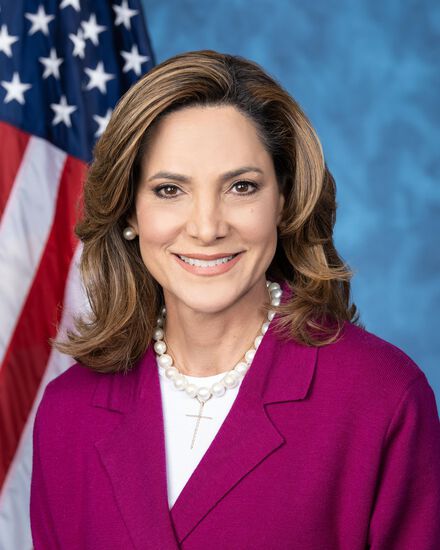
Last action · March 9, 2026: Received in the Senate and Read twice and referred to the Committee on Health, Education, Labor, and Pensions.Sponsors: James Moylan and 5 others
Track this bill to get notified when it advances a stage. One tap to stop, anytime.
What This Bill Would Do
This bill would require public colleges and universities that receive federal funding to charge students from Guam, the Northern Mariana Islands, American Samoa, and the U.S. Virgin Islands the same tuition rates as local in-state residents. To qualify, students must be s residing in one of these four territories.
If passed, this bill would lower the cost of higher education for students from these territories by preventing public institutions from charging them higher out-of-state tuition rates.
Who It Would Affect
Groups the bill's text would affect if enacted, as described in the record. Being affected is not a position for or against it.
Students from Guam, Northern Mariana Islands, American Samoa, and U.S. Virgin Islands
These students would be eligible for in-state tuition rates at public institutions receiving federal aid.
Public institutions of higher education
These institutions would be required to charge in-state tuition rates to eligible students from the specified territories to maintain federal funding.
Key Facts
You don't have to trust us. Each fact below is taken straight from the official document - click any one to see the exact passage, highlighted in the original.
Frequently Asked Questions
Who qualifies for the lower tuition rate under this bill?
Does this apply to all colleges?
What else do you want to know?
News Coverage
Follow the record
Votes, people, money & the original sourceWhere This Stands
Currently passed chamber. The next step in the legislative lifecycle is Law.
Procedural history
15 actions- Mar 9, 2026SenateCommitteeReceived in the Senate and Read twice and referred to the Committee on Health, Education, Labor, and Pensions.
- Mar 4, 2026HouseMotion to reconsider laid on the table Agreed to without objection.
- Mar 4, 2026HouseFloorOn motion to suspend the rules and pass the bill, as amended Agreed to by the Yeas and Nays: (2/3 required): 351 - 72 (Roll no. 82).
- Mar 4, 2026HouseFloorPassed/agreed to in House: On motion to suspend the rules and pass the bill, as amended Agreed to by the Yeas and Nays: (2/3 required): 351 - 72 (Roll no. 82).
- Mar 4, 2026HouseConsidered as unfinished business. (consideration: CR H2390-2391)
- Mar 3, 2026HouseAt the conclusion of debate, the Yeas and Nays were demanded and ordered. Pursuant to the provisions of clause 8, rule XX, the Chair announced that further proceedings on the motion would be postponed.
Show 9 earlier actions
- Mar 3, 2026HouseDEBATE - The House proceeded with forty minutes of debate on H.R. 6472.
- Mar 3, 2026HouseConsidered under suspension of the rules. (consideration: CR H2366-2367; text: CR H2366)
- Mar 3, 2026HouseMr. Walberg moved to suspend the rules and pass the bill, as amended.
- Feb 11, 2026HousePlaced on the Union Calendar, Calendar No. 421.
- Feb 11, 2026HouseReported (Amended) by the Committee on Education and Workforce. H. Rept. 119-495.
- Dec 11, 2025HouseCommitteeOrdered to be Reported (Amended) by the Yeas and Nays: 32 - 1.
- Dec 11, 2025HouseCommittee Consideration and Mark-up Session Held
- Dec 4, 2025HouseCommitteeReferred to the House Committee on Education and Workforce.
- Dec 4, 2025HouseIntroducedIntroduced in House
Version history
Only one version on file - nothing to compare yet. As later stages (committee substitute, engrossed, enrolled) are captured, the redline appears here.
View official text →Voting Record
Total
419
- Yes
- 347
- No
- 72
- Present
- 0
- Not voting
- 0
- Abstain
- 0
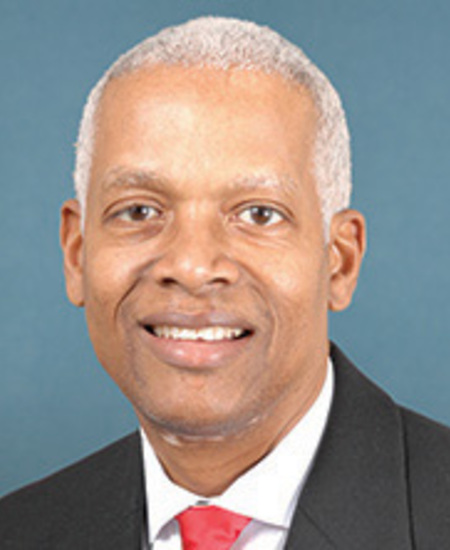
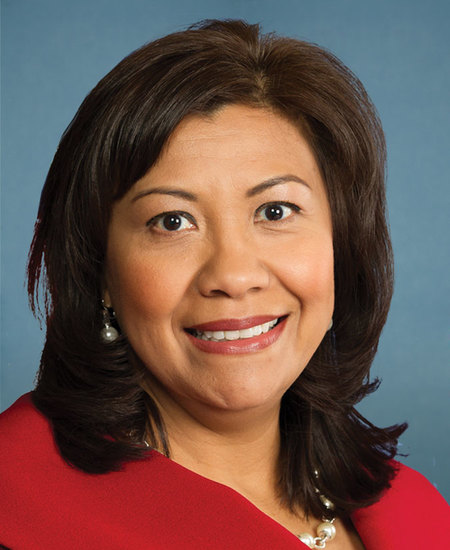
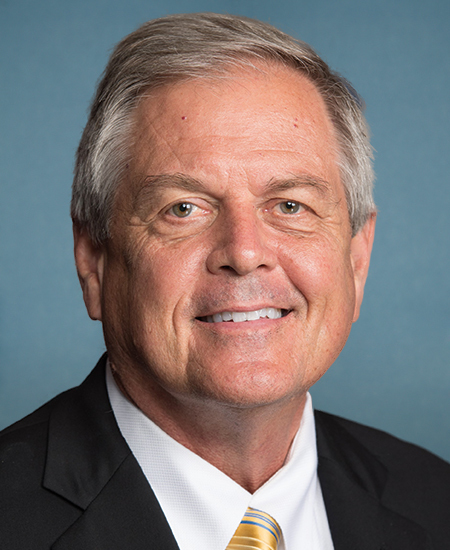
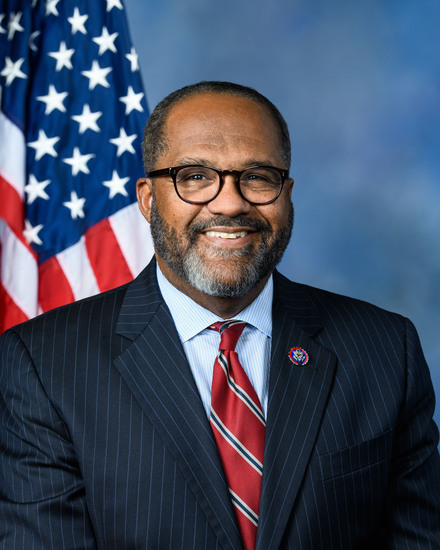
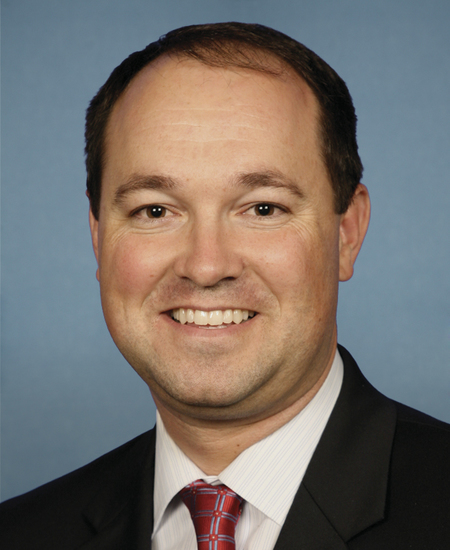
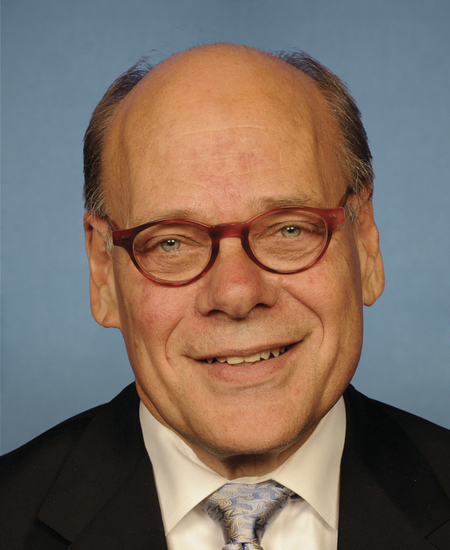
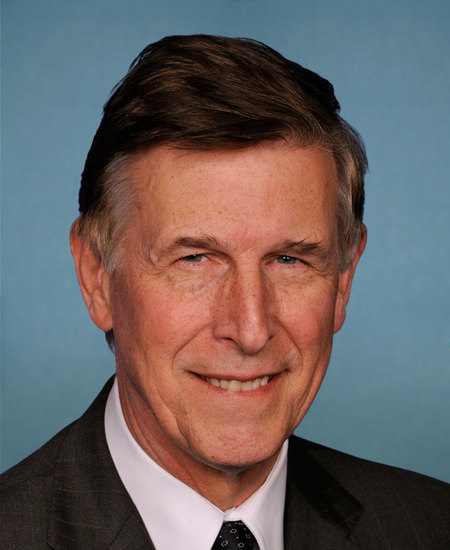
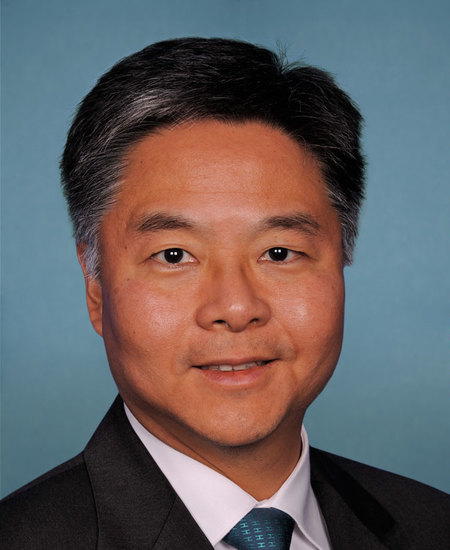
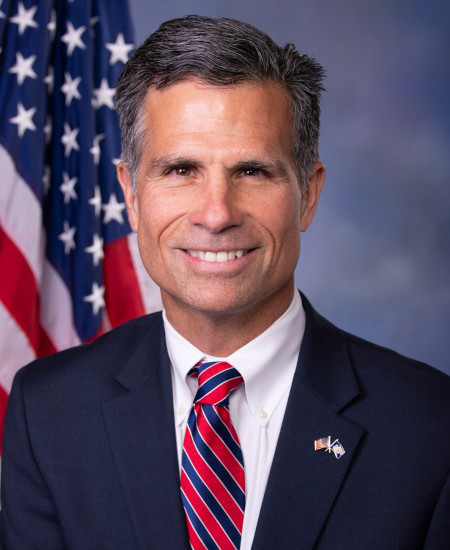
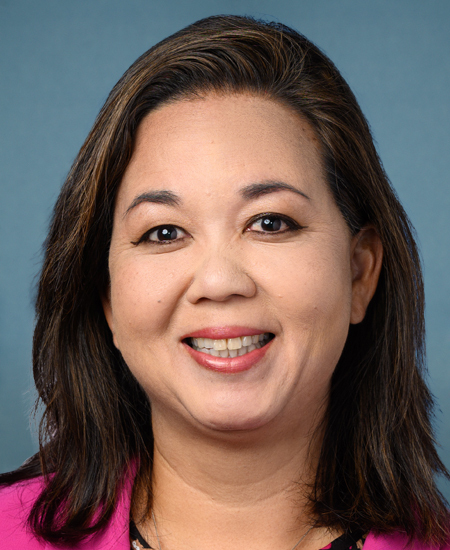
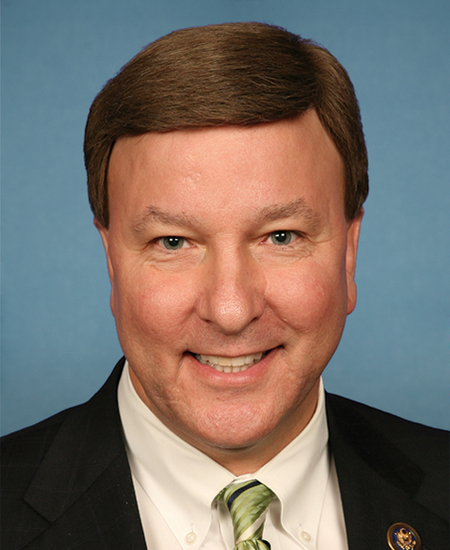
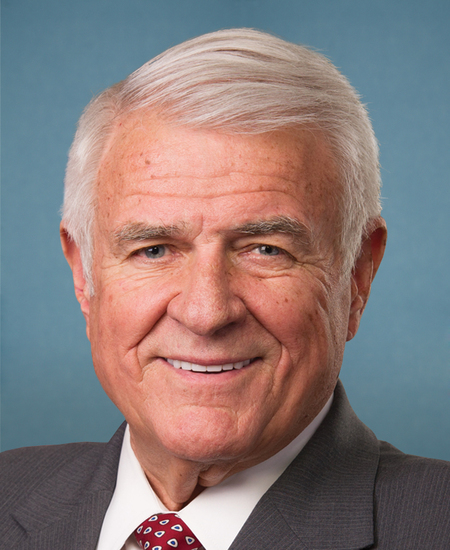
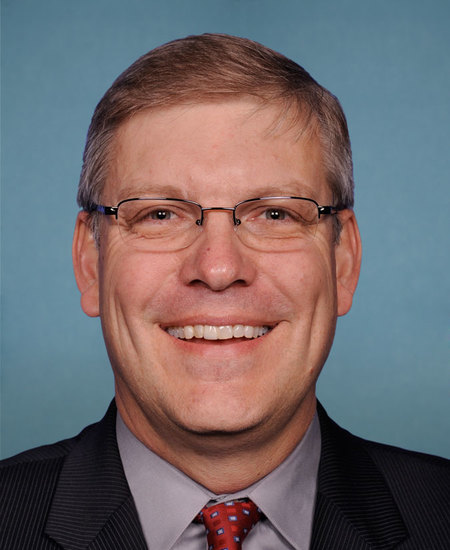
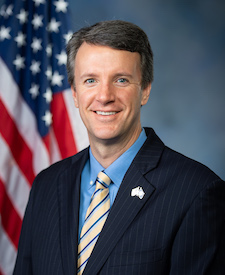
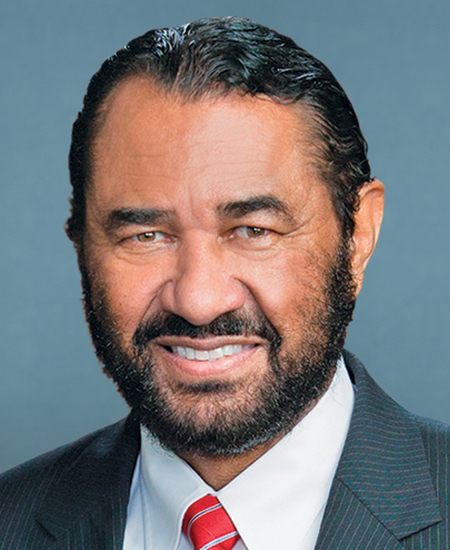
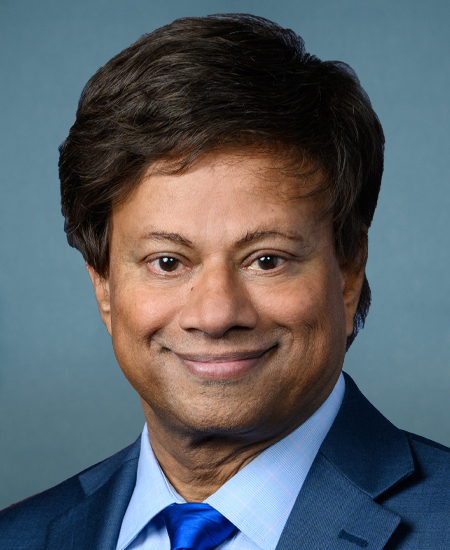
How they voted (419)















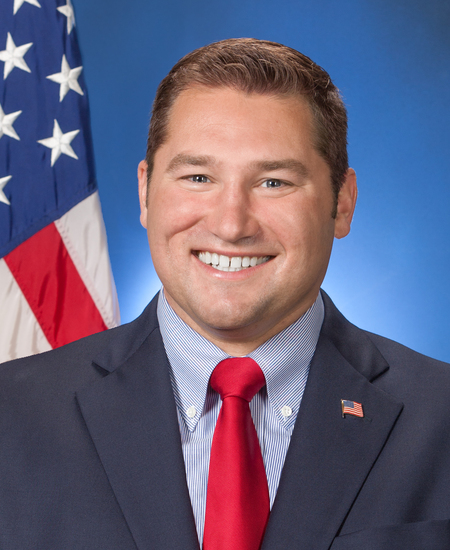

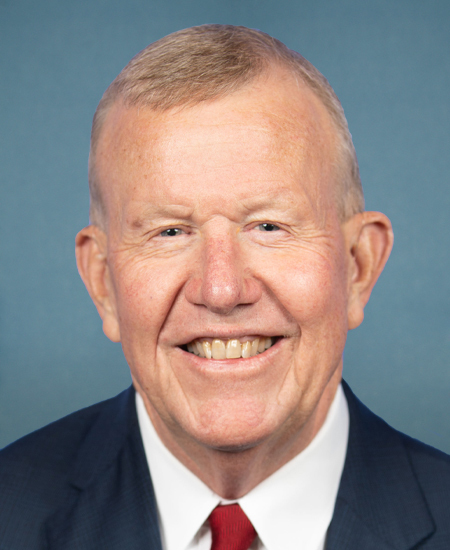


395 more members


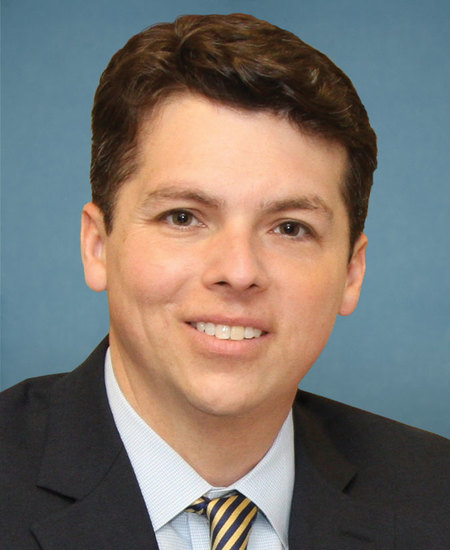
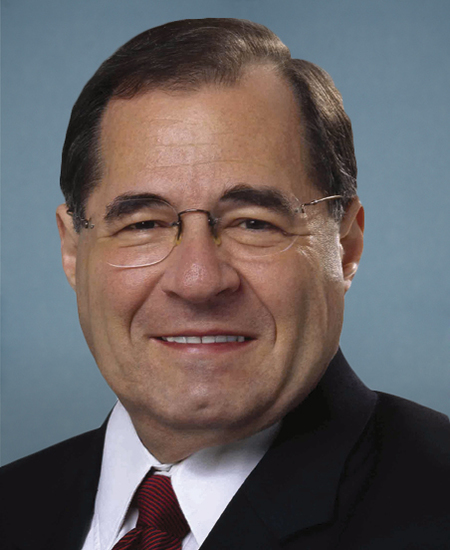
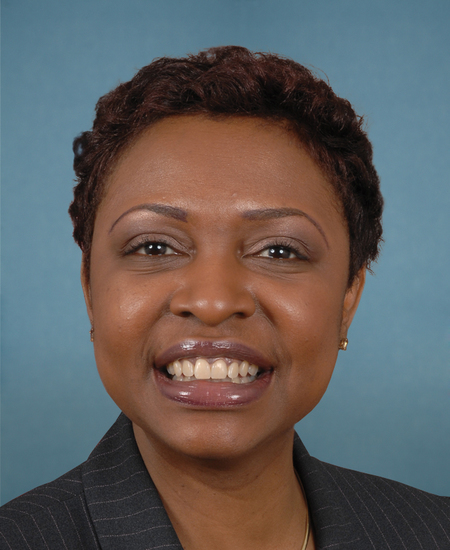
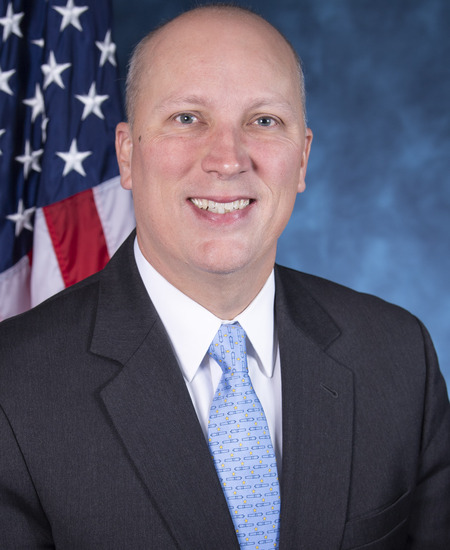



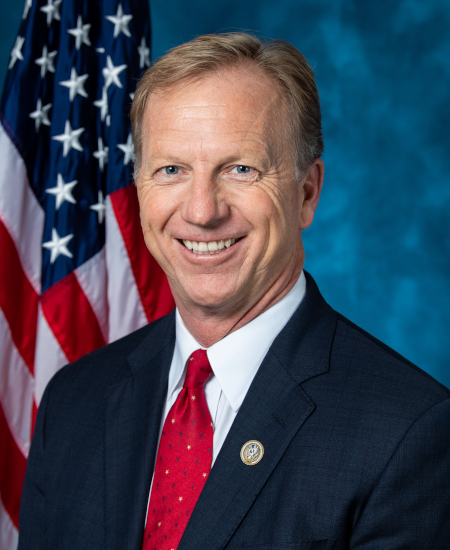








































































































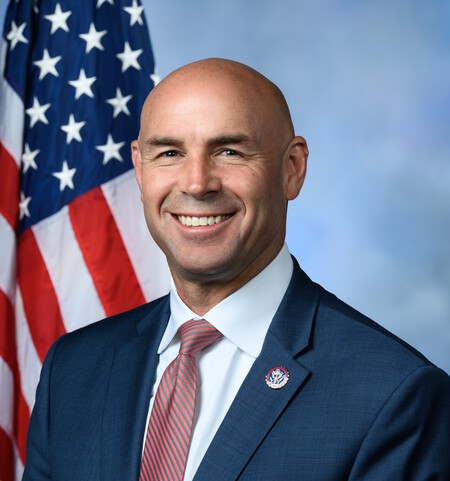
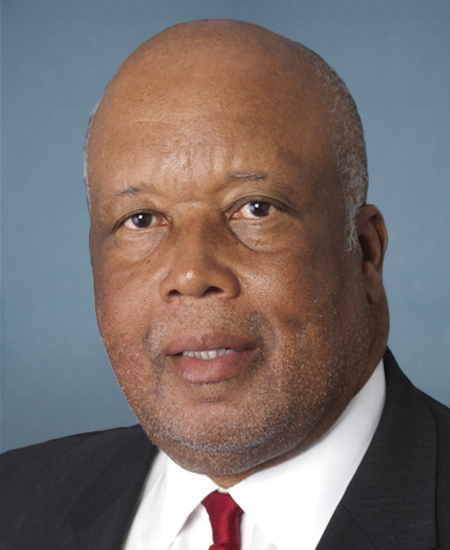

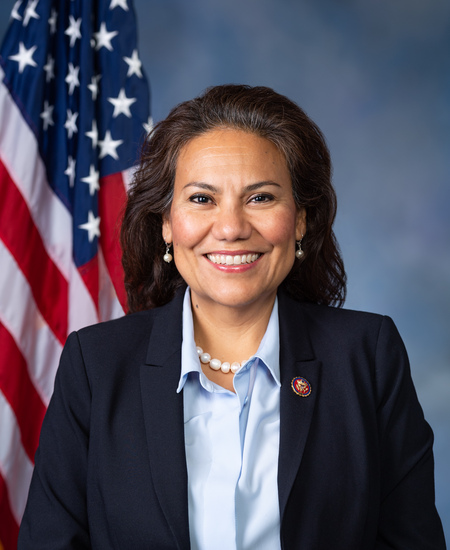
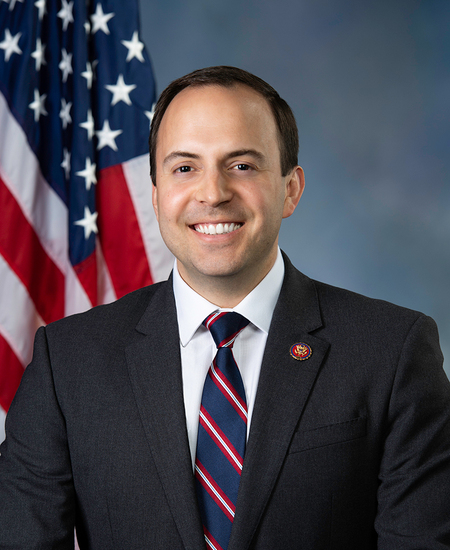











































































































Show 1 earlier roll call
On Motion to Suspend the Rules and Pass, as Amended
Total
432
- Yes
- 351
- No
- 72
- Present
- 0
- Not voting
- 9
- Abstain
- 0
How they voted (1)
Full breakdown
Who this bill affects and the strongest case for and against it, written only from the bill’s own text.
Sponsors
Show 1 more sponsor
Discoveries
Patterns POLISCOPE noticed across the record. These are observations to investigate, not conclusions.
Territorial Tuition Parity
The bill seeks to standardize tuition treatment for U.S. nationals from territories, aligning them with state residents for the purpose of public university tuition.
Connected Entities
Sources
www.congress.gov
Analysis Score
0–100- Significance65How much this matters to a regular citizen
- Controversy20Intensity of disagreement among stakeholders
- Entertainment5Compellingness for a non-policy-wonk reader
- Buzz15Current news / social attention level
Publisher tools