
The civic record
Read. Follow. Verify.Alabama HB 52 revives time-barred civil claims for minor sex offenses for 10 years and mandates public awareness campaign
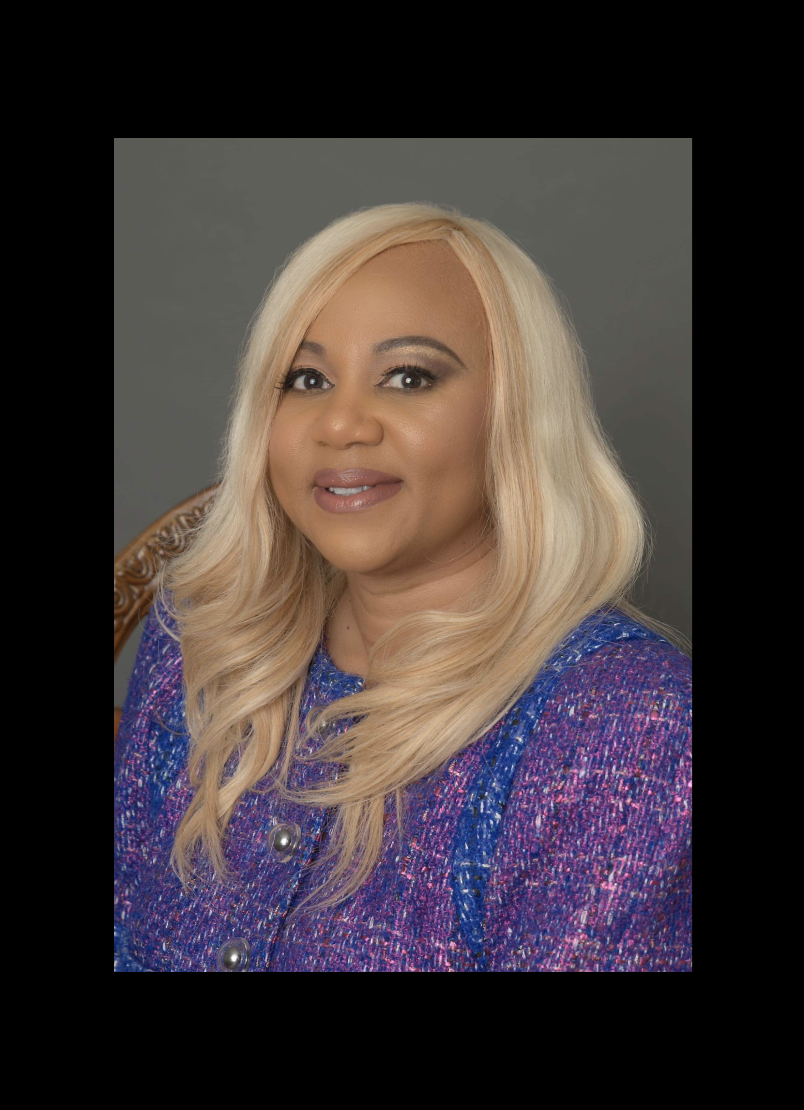
Last action · January 13, 2026: Pending Committee Action in House of OriginSponsor: Rolanda Hollis
Track this bill to get notified when it advances a stage. One tap to stop, anytime.
What This Bill Would Do
This bill revives previously civil claims for sex offenses committed against individuals who were under 19 at the time of the offense, allowing suits to be filed within a 10-year window starting January 1, 2027. It requires the Attorney General to conduct a public awareness campaign and prohibits entities from retaliating against individuals who file claims under the act. The legislation is upon the ratification of a constitutional amendment.
Survivors of childhood sexual abuse whose cases previously expired under the statute of limitations gain a 10-year window to file civil lawsuits for damages against both individual offenders and responsible institutions, backed by workplace protections against retaliation.
Who It Would Affect
Groups the bill's text would affect if enacted, as described in the record. Being affected is not a position for or against it.
Survivors of minor sex offenses
Individuals gain a 10-year window to file previously time-barred civil claims and receive informational resources from a public awareness campaign.
Religious, academic, health, and youth organizations
Entities entrusted with the well-being of minors face potential civil liability for claims if their officers or employees knew or should have known of sexual abuse and failed to take reasonable prevention steps.
Employers and institutions
Entities are prohibited from retaliating or discriminating against any individual who files a claim under the act.
Key Facts
You don't have to trust us. Each fact below is taken straight from the official document - click any one to see the exact passage, highlighted in the original.
Frequently Asked Questions
Who can file a claim under this bill?
What entities can be sued under the legislation?
When does the law take effect?
What else do you want to know?
News Coverage
Follow the record
Votes, people, money & the original sourceWhere This Stands
Currently in committee. The next step in the legislative lifecycle is Floor Vote.
Procedural history
2 actions- Jan 13, 2026HouseCommitteePending Committee Action in House of Origin
- Jan 13, 2026HouseIntroducedRead for the first time and referred to the House Committee on Children and Senior Advocacy
Version history
Only one version on file - nothing to compare yet. As later stages (committee substitute, engrossed, enrolled) are captured, the redline appears here.
View official text →Lobbying Activity
No state lobbying filings in our records match this bill. Federal lobbying reports (LDA) cover Congress, so they are not listed on state bills.
Full breakdown
Who this bill affects and the strongest case for and against it, written only from the bill’s own text.
Sponsors
Discoveries
Patterns POLISCOPE noticed across the record. These are observations to investigate, not conclusions.
Constitutional Contingency for Statute of Limitations
The bill explicitly ties its effectiveness to the ratification of a constitutional amendment, reflecting potential state constitutional barriers against reviving expired civil claims.
Connected Entities
Sources
alison.legislature.state.al.us
Analysis Score
0–100- Significance80How much this matters to a regular citizen
- Controversy75Intensity of disagreement among stakeholders
- Entertainment10Compellingness for a non-policy-wonk reader
- Buzz50Current news / social attention level
Publisher tools