
The civic record
Read. Follow. Verify.Indiana Senate Bill 137 allows family and medical providers to petition courts for involuntary substance use…
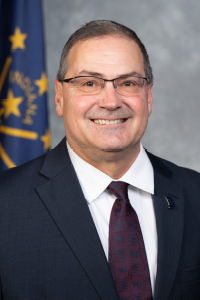
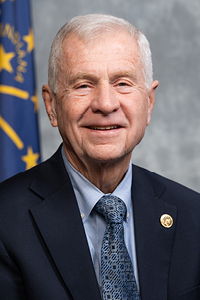
Last action · January 12, 2026: Senator Charbonneau added as second authorSponsors: Dan Dernulc and 1 other
Track this bill to get notified when it advances a stage. One tap to stop, anytime.
What This Bill Proposed
Indiana Senate Bill 137 allows a spouse, relative, legal guardian, friend, or medical provider to petition a court to mandate involuntary substance use disorder treatment for an individual. The legislation requires courts to appoint a public defender for unrepresented individuals, order medical evaluations if specific criteria are met, and mandate up to 90 days of involuntary outpatient treatment if medical evidence supports it and the person refuses voluntary care, effective July 1, 2026.
Residents facing severe substance use crises or whose family members are affected gain a formal legal mechanism to compel medical evaluations and up to 90 days of court-ordered outpatient treatment, backed by mandatory public defender representation during court proceedings.
- Indiana law provides structured civil commitment procedures under IC 12-26 for individuals experiencing mental illness or crisis, which this bill expands to establish specific provisions for substance use disorder treatment. context
Who It Would Have Affected
Groups the bill's text would have affected, as described in the record. Being affected is not a position for or against it.
individuals with substance use disorders
Individuals may be subjected to court-ordered medical evaluations, public defender representation, and up to 90 days of involuntary outpatient treatment if specific statutory criteria are met.
spouses, legal guardians, friends, and relatives
These parties are granted the legal standing to file a petition with a court to initiate involuntary substance use disorder treatment for an individual.
medical providers
Medical providers may file petitions, perform court-ordered evaluations, submit treatment recommendations, and testify at hearings regarding an individual's need for treatment.
Key Facts
- Spouses, legal guardians, friends, relatives, and medical providers may petition a court for involuntary substance use disorder treatment for an individual.
- Petitions must include the individual's details, factual allegations of a crisis or danger, refusal of treatment, and a medical provider's statement if evaluated within the past 30 days.
- Courts must appoint a public defender if the individual subject to the petition is not represented by an attorney.
- Courts must hold a hearing within 10 days of receiving a petition, unless impracticable, and may grant continuances of up to 30 days for good cause.
Show all 9 facts
- If the court finds the individual has a substance use disorder, has impaired judgment causing a danger to self or others or inability to maintain daily activities, and refuses treatment, the court must order an evaluation by a medical provider within 15 days.
- If evidence supports emergency detention criteria under IC 12-26-5, the court orders local law enforcement to evaluate the individual for emergency detention, and the involuntary treatment petition is dismissed without prejudice.
- Courts must dismiss the petition if the medical evaluation does not recommend immediate treatment, or set a hearing if immediate treatment is recommended.
- Courts must order involuntary outpatient substance use disorder treatment for a period not to exceed 90 days if medical evidence supports it and the individual refuses voluntary treatment.
- A petition must be dismissed early if the 90-day treatment period expires or if the individual voluntarily enters appropriate treatment and submits confirmation to the court.
Frequently Asked Questions
Who is eligible to file a petition for involuntary treatment under this bill?
What happens if the individual subject to the petition cannot afford an attorney?
What is the maximum duration for court-ordered involuntary outpatient treatment?
What else do you want to know?
News Coverage
Follow the record
Votes, people, money & the original sourceWhere This Stands
This bill did not become law - Died at adjournment · in Senate committee.
Procedural history
3 actions- Jan 12, 2026SenateSenator Charbonneau added as second author
- Jan 5, 2026SenateIntroducedFirst reading: referred to Committee on Judiciary
- Jan 5, 2026SenateAuthored by Senator Dernulc
Version history
Only one version on file - nothing to compare yet. As later stages (committee substitute, engrossed, enrolled) are captured, the redline appears here.
View official text →Lobbying Activity
No state lobbying filings in our records match this bill. Federal lobbying reports (LDA) cover Congress, so they are not listed on state bills.
Full breakdown
Who this bill affects and the strongest case for and against it, written only from the bill’s own text.
Sponsors
Discoveries
Patterns POLISCOPE noticed across the record. These are observations to investigate, not conclusions.
Creation of Involuntary Outpatient Treatment Chapter
The bill creates a new chapter (IC 12-26-17) within the Indiana Code explicitly governing petitions and court orders for involuntary substance use disorder treatment.
Connected Entities
Sources
iga.in.gov
Analysis Score
0–100- Significance20Lowered because this bill did not pass (its text scored 75)
- Controversy65Intensity of disagreement among stakeholders
- Entertainment10Compellingness for a non-policy-wonk reader
- Buzz35Current news / social attention level
Publisher tools