
The civic record
Read. Follow. Verify.Promoting a Safe Internet for Minors Act (H.R. 6289)
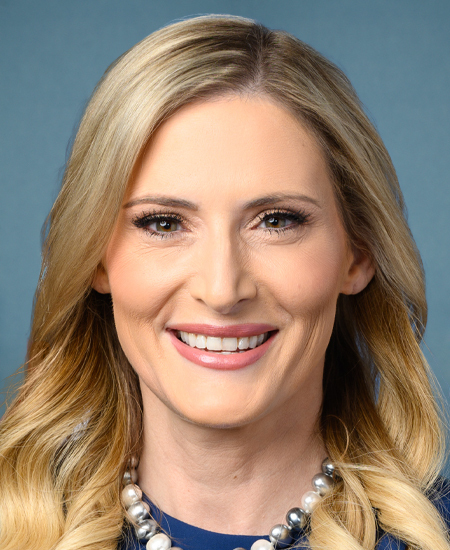
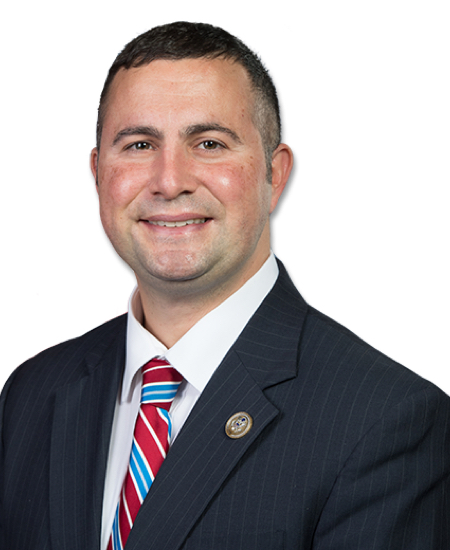
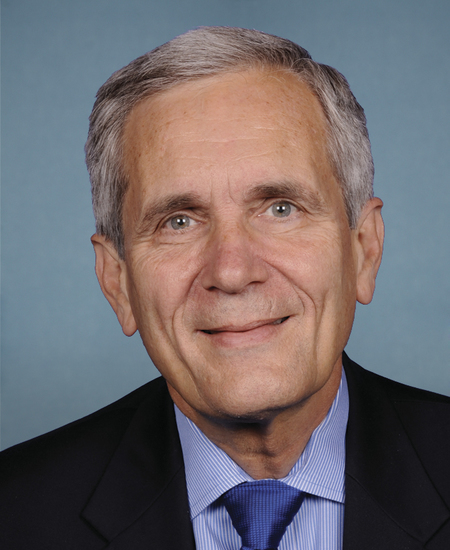
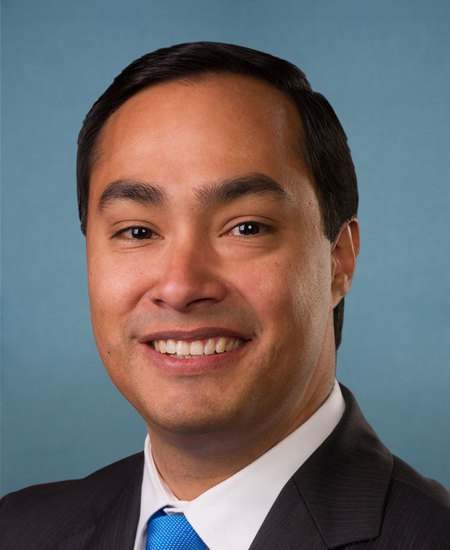
Last action · December 11, 2025: Forwarded by Subcommittee to Full Committee by Voice Vote.Sponsors: Laurel Lee and 4 others
Track this bill to get notified when it advances a stage. One tap to stop, anytime.
What This Bill Would Do
This bill directs the Federal Trade (FTC) to launch a national public awareness campaign focused on internet safety for children under 17. It also requires the FTC to submit annual reports to Congress for the next decade detailing the progress and activities of this safety program.
The bill mandates a new federal outreach program to educate parents, educators, and minors on online risks, including cybercrimes, substance access, and compulsive behaviors, requiring the FTC to coordinate with schools, law enforcement, and nonprofits.
Who It Would Affect
Groups the bill's text would affect if enacted, as described in the record. Being affected is not a position for or against it.
Federal Trade Commission
The agency is tasked with creating and managing a national education program and submitting annual reports for 10 years.
Minors under 17
The target audience for the safety education and awareness campaign.
Parents and Guardians
The program aims to provide them with tools and information to protect minors online.
Schools and Educators
They are identified as partners for the implementation of best practices and safety education.
Key Facts
- The Federal Trade Commission (FTC) must launch a national internet safety program within 180 days of the bill's enactment.
- The program must promote best practices for educators, platforms, minors, and parents to protect minors online.
- The FTC is required to submit an annual report to Congress on these activities for 10 years.
- The bill defines a 'minor' as any individual under the age of 17.
Show all 8 facts
- The program must address risks including cybercrimes, access to narcotics, tobacco, alcohol, gambling, and compulsive online behaviors.
- The FTC must partner with state/local governments, nonprofits, schools, law enforcement, and medical professionals.
- The bill amends the Protecting Children in the 21st Century Act.
- The program must facilitate access to existing public awareness efforts from other agencies and organizations.
Frequently Asked Questions
Who is considered a minor under this bill?
What specific online risks does this bill target?
Does this bill create new regulations for social media companies?
What else do you want to know?
News Coverage
Follow the record
Votes, people, money & the original sourceWhere This Stands
Currently in committee. The next step in the legislative lifecycle is Floor Vote.
Procedural history
5 actions- Dec 11, 2025HouseForwarded by Subcommittee to Full Committee by Voice Vote.
- Dec 11, 2025HouseSubcommittee Consideration and Mark-up Session Held
- Nov 25, 2025HouseCommitteeReferred to the Subcommittee on Commerce, Manufacturing, and Trade.
- Nov 25, 2025HouseCommitteeReferred to the House Committee on Energy and Commerce.
- Nov 25, 2025HouseIntroducedIntroduced in House
Version history
Only one version on file - nothing to compare yet. As later stages (committee substitute, engrossed, enrolled) are captured, the redline appears here.
View official text →Full breakdown
Who this bill affects and the strongest case for and against it, written only from the bill’s own text.
Sponsors

Discoveries
Patterns POLISCOPE noticed across the record. These are observations to investigate, not conclusions.
Focus on Education over Regulation
The bill explicitly prioritizes a public awareness campaign and information sharing over new restrictive mandates for online platforms.
Connected Entities
Sources
www.congress.gov
Analysis Score
0–100- Significance50How much this matters to a regular citizen
- Controversy15Intensity of disagreement among stakeholders
- Entertainment5Compellingness for a non-policy-wonk reader
- Buzz20Current news / social attention level
Publisher tools