
NewsLa OpiniónOctober 27, 2026Los Angeles County
EFE Salud reports on human papillomavirus prevention, transmission mechanisms, and nonavalent vaccination
Photo: La Opinión
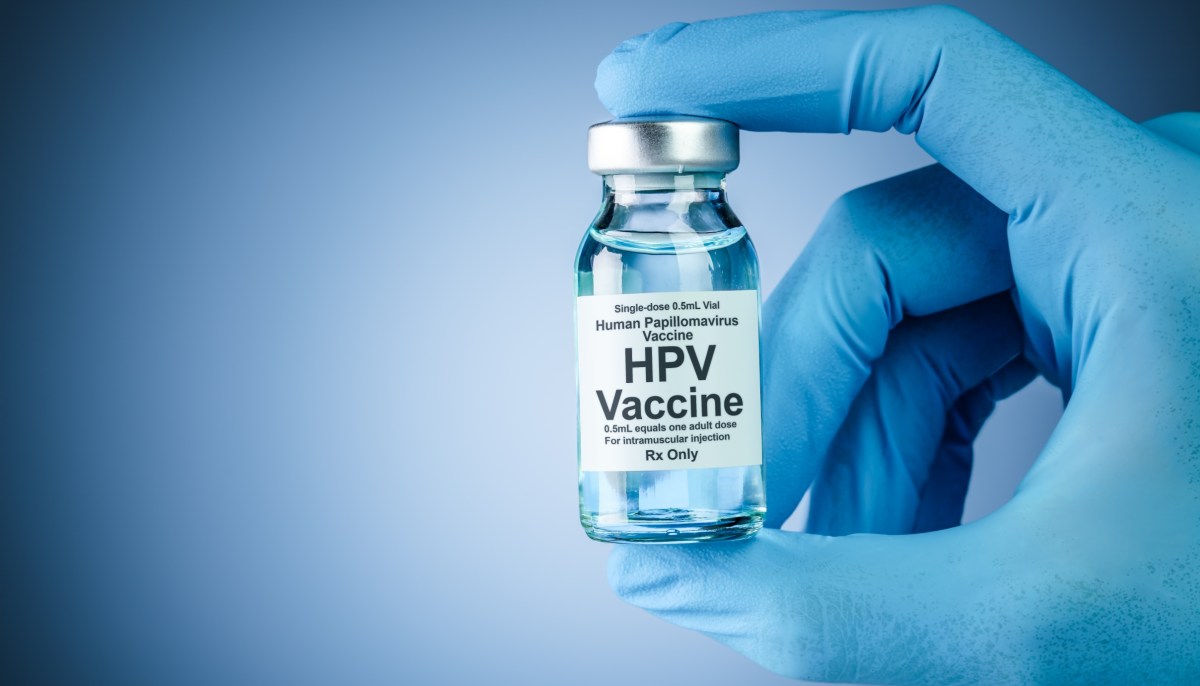
An EFE Salud report details how the human papillomavirus (HPV) is transmitted through skin-to-skin contact, causing warts or certain cancers, and highlights that nonavalent vaccination and preventive health measures offer effective protection.
Read the full story at La OpiniónWhy It Matters
Residents receive information on how HPV spreads across vaginal, anal, oral, and surface contact, along with health guidance on how the nonavalent vaccine protects against specific virus types.
Key Facts
- HPV is noted as the most frequent sexually transmitted infection globally, comprising a group of more than 200 virus types.
- Transmission occurs through direct skin-to-skin or mucosa-to-mucosa contact, including vaginal, anal, or oral sexual relations.
- Common and plantar warts are transmitted via contact with affected skin or contaminated damp surfaces such as shower and pool floors.
- The nonavalent vaccine protects against nine types of the virus, specifically including types 6 and 11 which cause most genital warts, and high-risk types linked to cancer.
- Vaccination offers maximum effectiveness when applied before the start of sexual life, though it can still protect individuals who have already contacted some virus types.
Who's Mentioned
OrganizationOrganización Mundial de la Salud“Health organization recommending vaccination”OrganizationCentros para el Control y la Prevención de Enfermedades de Estados Unidos“Health agency coinciding on vaccination as a tool against HPV”OrganizationEFE Salud“Platform providing specialist commentary on recommendations”