
The civic record
Read. Follow. Verify.Maryland Bill Requires Dedicated Lines and Priority Seating for Elderly Voters and Voters With Disabilities
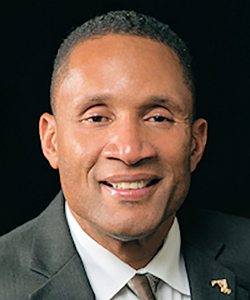
Last action · February 9, 2026: Hearing 2/11 at 2:00 p.m.Sponsor: Arthur Ellis
Track this bill to get notified when it advances a stage. One tap to stop, anytime.
What This Bill Would Do
Maryland legislation requires the State Board of Elections to establish guidelines providing dedicated expedited lines, clear signage, and priority seating at all early voting centers and polling places for elderly voters and voters with disabilities. Local election boards must implement these guidelines, collect real-time voter feedback, and make immediate process adjustments. Additionally, the State Board must submit an annual report to the General Assembly beginning January 15.
Changes in-person voting procedures statewide by mandating physical accommodations and operational adjustments at every polling place to reduce wait times for seniors and individuals with disabilities.
- The State Board of Elections is the principal state agency responsible for the administration of elections in Maryland. context
Who It Would Affect
Groups the bill's text would affect if enacted, as described in the record. Being affected is not a position for or against it.
elderly voters
Individuals aged 65 or older receive dedicated expedited lines, priority seating, and structured feedback mechanisms at polling places.
voters with disabilities
Voters with disabilities receive dedicated expedited lines, priority seating, and accommodations aligned with federal Americans with Disabilities Act definitions.
local boards of election
Local election boards must implement State Board guidelines, collect real-time voter feedback, and make immediate operational adjustments.
Key Facts
- The State Board of Elections must establish guidelines for local boards to implement a process to accommodate and expedite voting for elderly voters and voters with disabilities at every early voting center and polling place.
- Polling place guidelines must include dedicated expedited lines, clearly marked signage, priority seating in waiting areas, and specific provisions for high-traffic locations.
- Local election boards must implement the guidelines, collect feedback from elderly voters and voters with disabilities while voting is in progress, and make immediate adjustments as necessary.
- Election judge training programs must include instruction on best practices for assisting elderly voters and voters with disabilities as defined in the federal Americans with Disabilities Act.
Show all 6 facts
- The State Board of Elections must monitor implementation and submit an annual report on or before January 15 to the General Assembly detailing challenges, effectiveness analysis, feedback summaries, and recommendations.
- The Act takes effect immediately as an emergency measure upon enactment, supported by a three-fifths vote in each house.
Frequently Asked Questions
What specific accommodations are required at polling places?
What else do you want to know?
News Coverage
Follow the record
Votes, people, money & the original sourceWhere This Stands
Currently filed. The next step in the legislative lifecycle is Committee.
Procedural history
5 actions- Feb 9, 2026SenateHearing 2/11 at 2:00 p.m.
- Feb 9, 2026SenateHearing canceled
- Jan 16, 2026SenateHearing 2/11 at 1:00 p.m.
- Jan 14, 2026SenateIntroducedFirst Reading Education, Energy, and the Environment
- Jun 30, 2025SenateIntroducedPre-filed
Version history
Only one version on file - nothing to compare yet. As later stages (committee substitute, engrossed, enrolled) are captured, the redline appears here.
View official text →Lobbying Activity
No state lobbying filings in our records match this bill. Federal lobbying reports (LDA) cover Congress, so they are not listed on state bills.
Full breakdown
Who this bill affects and the strongest case for and against it, written only from the bill’s own text.
Sponsors
Discoveries
Patterns POLISCOPE noticed across the record. These are observations to investigate, not conclusions.
Mandatory Real-Time Polling Feedback
The bill requires local boards to collect feedback from elderly voters and voters with disabilities while voting is actively in progress and make immediate operational adjustments.
Connected Entities
Sources
mgaleg.maryland.gov
Analysis Score
0–100- Significance60How much this matters to a regular citizen
- Controversy10Intensity of disagreement among stakeholders
- Entertainment5Compellingness for a non-policy-wonk reader
- Buzz25Current news / social attention level
Publisher tools