
The civic record
Read. Follow. Verify.Indiana requires counties to provide emergency ambulance services to unserved areas
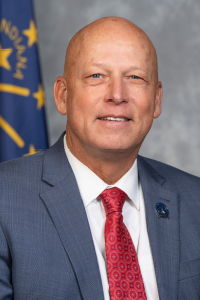
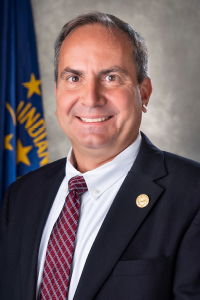
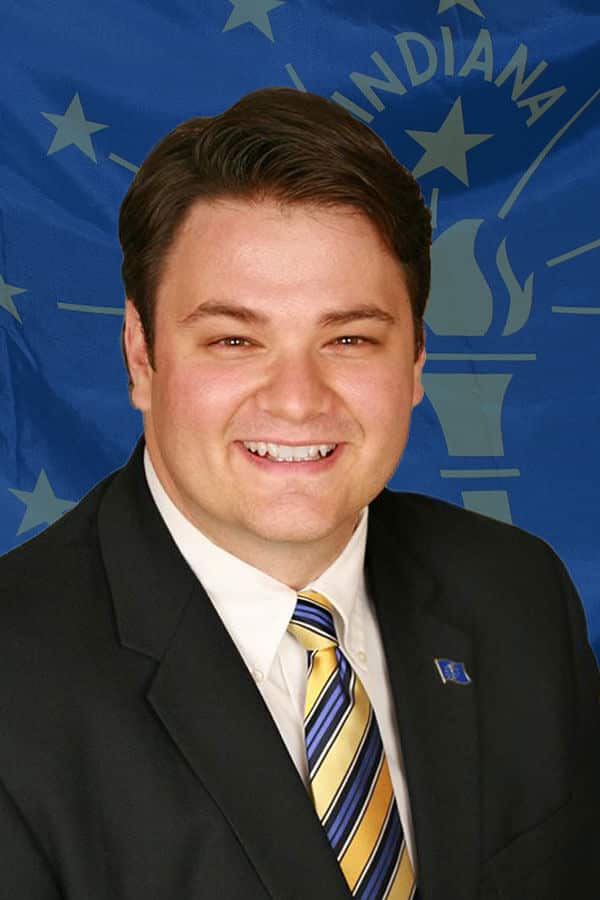
Last action · February 12, 2026: Senator Bohacek added as third sponsorSponsors: Timothy O'Brien and 7 others
Track this bill to get notified when it advances a stage. One tap to stop, anytime.
What This Bill Would Do
Indiana designates emergency medical services as essential services and mandates county commissioners to identify and cover unserved areas by July 1, 2026. Counties may establish services, contract providers, or pass an ordinance to opt out if unable to comply after reasonable efforts. Governing bodies that formally opt out receive immunity from civil liability for personal injury or death resulting from unserved areas.
Residents in rural or previously unserved pockets of Indiana will either gain guaranteed access to emergency ambulance coverage or see their county officially opt out, shifting local liability protections for elected officials.
Who It Would Affect
Groups the bill's text would affect if enacted, as described in the record. Being affected is not a position for or against it.
county commissioners
County commissioners must identify unserved areas, provide ambulance services, or formally pass an ordinance to opt out.
emergency ambulance service providers
Providers may enter into new contracts or agreements with counties to cover previously unserved areas.
Indiana residents
Residents gain guaranteed access to emergency ambulance services unless their county officially opts out.
Key Facts
You don't have to trust us. Each fact below is taken straight from the official document - click any one to see the exact passage, highlighted in the original.
Frequently Asked Questions
What are counties required to do under this measure?
Can a county decide not to provide these services?
What happens if a county opts out of providing emergency ambulance services?
What else do you want to know?
News Coverage
Follow the record
Votes, people, money & the original sourceWhere This Stands
Currently passed both. The next step in the legislative lifecycle is Law.
Procedural history
16 actions- Feb 12, 2026SenateSenator Bohacek added as third sponsor
- Feb 12, 2026SenateSenator Becker added as second sponsor
- Feb 12, 2026SenateFloorCommittee report: amend do pass adopted; reassigned to Committee on Tax and Fiscal Policy
- Feb 9, 2026SenateSenator Ford J.D. added as cosponsor
- Feb 5, 2026SenateIntroducedFirst reading: referred to Committee on Local Government
- Feb 3, 2026HouseReferred to the Senate
Show 10 earlier actions
- Feb 2, 2026HouseSenate sponsor: Senator Crider
- Feb 2, 2026HouseFloorThird reading: passed; Roll Call 177: yeas 83, nays 0
- Jan 29, 2026HouseFloorSecond reading: ordered engrossed
- Jan 27, 2026HouseFloorCommittee report: amend do pass, adopted
- Jan 15, 2026HouseRepresentatives Gore, Garcia Wilburn added as coauthors
- Jan 12, 2026HouseRecommitted to Committee on Ways and Means pursuant to House Rule 126.3
- Jan 12, 2026HouseFloorCommittee report: do pass, adopted
- Jan 5, 2026HouseIntroducedFirst reading: referred to Committee on Veterans Affairs and Public Safety
- Jan 5, 2026HouseCoauthored by Representative Bartels
- Jan 5, 2026HouseAuthored by Representative O'Brien
Version history
Only one version on file - nothing to compare yet. As later stages (committee substitute, engrossed, enrolled) are captured, the redline appears here.
View official text →Lobbying Activity
No state lobbying filings in our records match this bill. Federal lobbying reports (LDA) cover Congress, so they are not listed on state bills.
Full breakdown
Who this bill affects and the strongest case for and against it, written only from the bill’s own text.
Sponsors




Connected Entities
Sources
iga.in.gov
Analysis Score
0–100- Significance80How much this matters to a regular citizen
- Controversy25Intensity of disagreement among stakeholders
- Entertainment5Compellingness for a non-policy-wonk reader
- Buzz35Current news / social attention level
Publisher tools