
The civic record
Read. Follow. Verify.Ohio enacts the Innocence Act, requiring online age verification and geofencing for obscene or harmful materials
Last action · March 25, 2026: Referred to JudiciarySponsors: Steve Demetriou and 53 others
Track this bill to get notified when it advances a stage. One tap to stop, anytime.
What This Bill Would Do
Commercial websites and online services offering material harmful to juveniles or obscene content must implement commercial age verification, dynamic geolocation geofencing, and strict data-deletion policies under a measure passed by the House. The bill establishes the Innocence Act Enforcement Fund and grants the attorney general exclusive enforcement authority, including civil penalties of up to $100,000 per day for noncompliance.
Online platforms distributing restricted content face daily civil penalties up to $100,000 for failing to verify user ages or block underage access, while the state creates a dedicated enforcement fund receiving 25% of collected penalties to cover attorney general expenses.
Who It Would Affect
Groups the bill's text would affect if enacted, as described in the record. Being affected is not a position for or against it.
Organizations
Commercial establishments dealing in material harmful to juveniles must implement age verification, geofencing, and data-deletion policies, and face civil penalties for noncompliance.
Attorney General
The attorney general receives exclusive authority to investigate, subpoena, and bring civil enforcement actions, along with funding allocated to a new enforcement fund.
Minors
Minors are restricted from accessing online material that is obscene or harmful to juveniles through mandatory age verification and geofencing blocks.
Key Facts
You don't have to trust us. Each fact below is taken straight from the official document - click any one to see the exact passage, highlighted in the original.
Frequently Asked Questions
What organizations are required to perform age verification under the Innocence Act?
Can private citizens sue websites that fail to comply with these age verification requirements?
What happens if an organization violates the age verification or geofencing requirements?
What else do you want to know?
News Coverage
Follow the record
Votes, people, money & the original sourceWhere This Stands
Currently passed chamber. The next step in the legislative lifecycle is Law.
Procedural history
6 actions- Mar 25, 2026SenateCommitteeReferred to Judiciary
- Mar 19, 2026SenateIntroducedIntroduced
- Mar 18, 2026HouseFloorPassed
- Mar 4, 2026HouseCommitteeReported - Substitute (Technology and Innovation)
- Feb 12, 2025HouseCommitteeReferred to Technology and Innovation
- Feb 11, 2025HouseIntroducedIntroduced
Version history
Only one version on file - nothing to compare yet. As later stages (committee substitute, engrossed, enrolled) are captured, the redline appears here.
View official text →Voting Record
Favorable Passage
Total
13
- Yes
- 13
- No
- 0
- Present
- 0
- Not voting
- 0
- Abstain
- 0
How they voted (13)







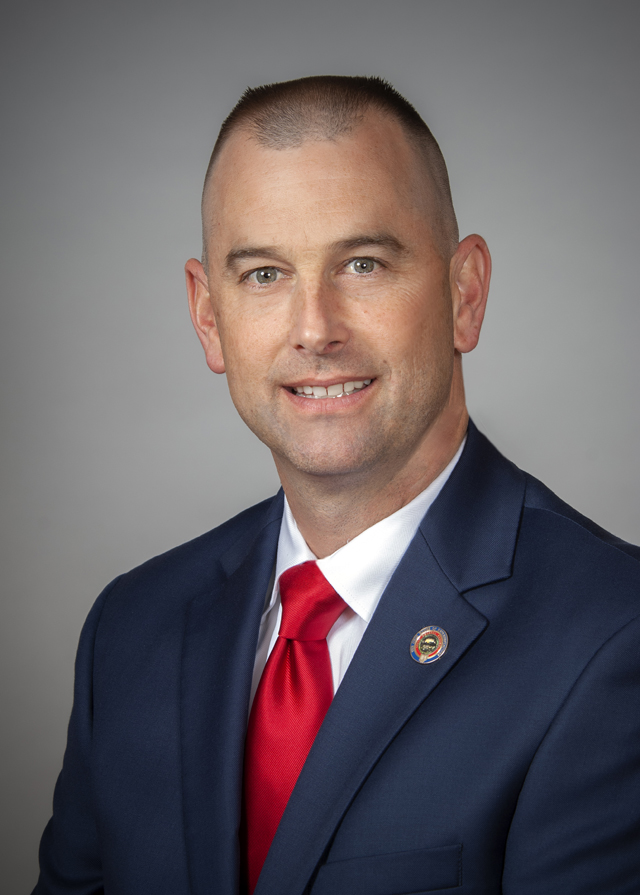
Show 1 earlier roll call
Favorable Passage
Total
95
- Yes
- 95
- No
- 0
- Present
- 0
- Not voting
- 0
- Abstain
- 0
How they voted (12)







Lobbying Activity
No state lobbying filings in our records match this bill. Federal lobbying reports (LDA) cover Congress, so they are not listed on state bills.
Full breakdown
Who this bill affects and the strongest case for and against it, written only from the bill’s own text.
Sponsors

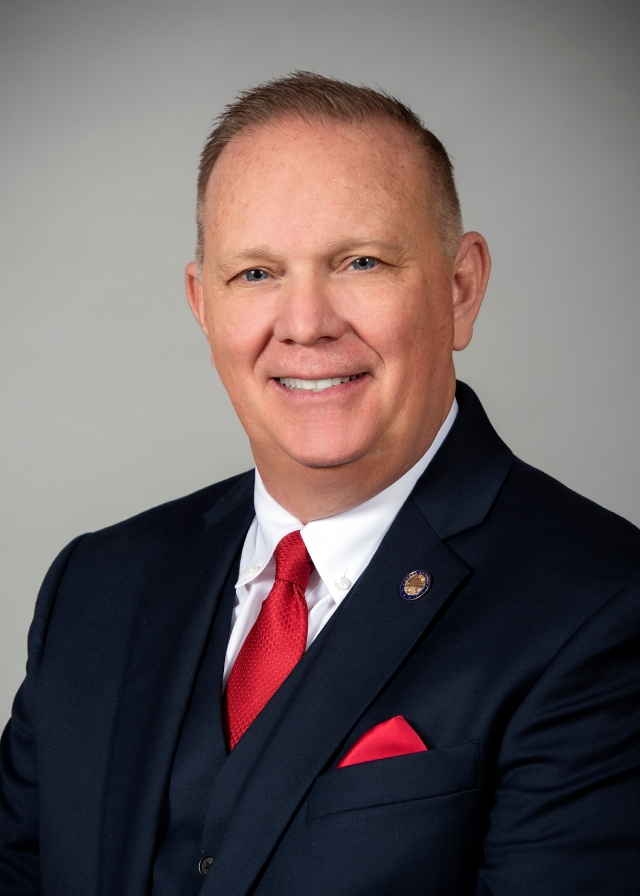


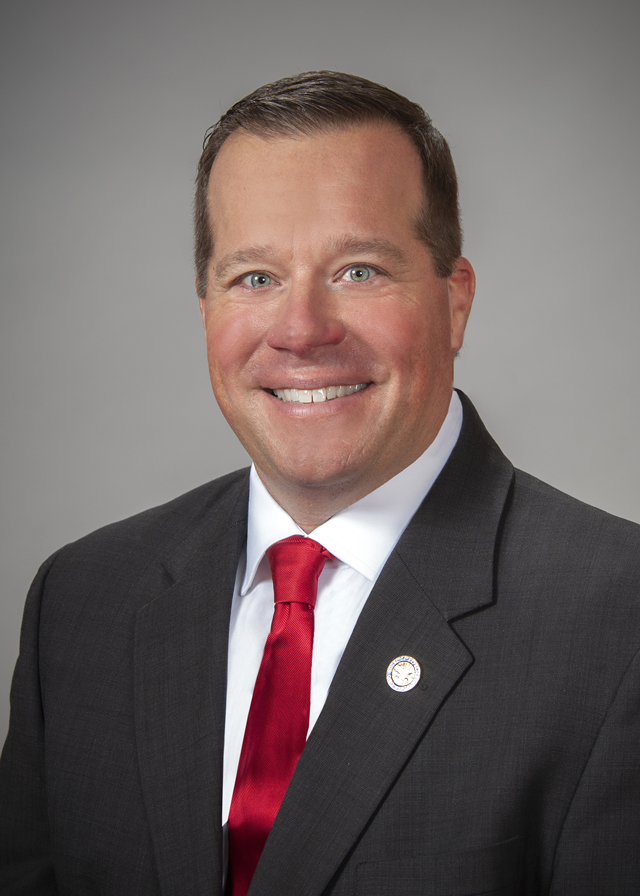
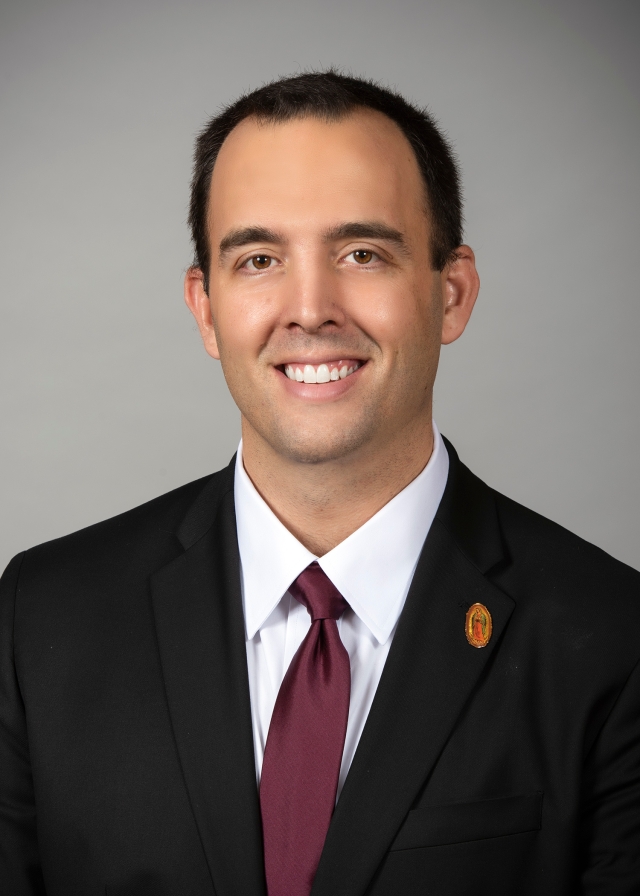
Show 49 more sponsors
















Discoveries
Patterns POLISCOPE noticed across the record. These are observations to investigate, not conclusions.
Creation of Dedicated Enforcement Fund
Civil penalties collected from violations are split between the consumer protection enforcement fund (75%) and the newly created innocence act enforcement fund (25%) to cover attorney general expenses.
Connected Entities
Sources
www.legislature.ohio.gov
Analysis Score
0–100- Significance75How much this matters to a regular citizen
- Controversy80Intensity of disagreement among stakeholders
- Entertainment10Compellingness for a non-policy-wonk reader
- Buzz65Current news / social attention level
Publisher tools