
The civic record
Read. Follow. Verify.Indiana Bill SB 143 removes statute of limitations for Level 3 felony rape and child molesting
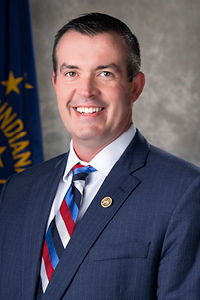
Last action · January 5, 2026: First reading: referred to Committee on Corrections and Criminal LawSponsors: Scott Alexander and 1 other
Track this bill to get notified when it advances a stage. One tap to stop, anytime.
What This Bill Proposed
Senate Bill 143 eliminates time limits for prosecuting rape and child molesting offenses, allowing prosecutors to file charges at any time beginning July 1, 2026. Current law generally bars prosecutions for these specific Level 3 felonies after a set number of years or once the victim reaches a certain age.
Changes the legal window for prosecutors to bring criminal charges against suspects of certain serious sex crimes, removing expiration dates entirely for specified Level 3 felonies regardless of how much time has passed since the offense occurred.
- Indiana criminal law establishes varying statutes of limitations depending on the classification and severity of an offense. context
Who It Would Have Affected
Groups the bill's text would have affected, as described in the record. Being affected is not a position for or against it.
prosecuting authorities
Prosecutors gain the ability to file charges for Level 3 felony rape and child molesting at any time without a time limitation.
individuals accused of Level 3 felony rape and child molesting
Suspects can face criminal prosecution for specified Level 3 felonies at any point in the future without protection from an expiring statute of limitations.
Key Facts
You don't have to trust us. Each fact below is taken straight from the official document - click any one to see the exact passage, highlighted in the original.
Frequently Asked Questions
What does Senate Bill 143 change about criminal prosecutions?
When does this law take effect if enacted?
What else do you want to know?
News Coverage
Follow the record
Votes, people, money & the original sourceWhere This Stands
This bill did not become law - Died at adjournment · in Senate committee.
Procedural history
2 actions- Jan 5, 2026SenateIntroducedFirst reading: referred to Committee on Corrections and Criminal Law
- Jan 5, 2026SenateAuthored by Senators Alexander, Freeman
Version history
Only one version on file - nothing to compare yet. As later stages (committee substitute, engrossed, enrolled) are captured, the redline appears here.
View official text →Lobbying Activity
No state lobbying filings in our records match this bill. Federal lobbying reports (LDA) cover Congress, so they are not listed on state bills.
Full breakdown
Who this bill affects and the strongest case for and against it, written only from the bill’s own text.
Sponsors

Connected Entities
Sources
iga.in.gov
Analysis Score
0–100- Significance20Lowered because this bill did not pass (its text scored 75)
- Controversy40Intensity of disagreement among stakeholders
- Entertainment10Compellingness for a non-policy-wonk reader
- Buzz25Current news / social attention level
Publisher tools