
The civic record
Read. Follow. Verify.Proposed Federal Budget for 2026–2035
Last action · September 16, 2025: Motion to proceed to consideration of measure rejected in Senate by Yea-Nay Vote. 36 - 62. Record Vote Number: 521. (CR S6635-6637)Sponsor: Rand Paul
Track this bill to get notified when it advances a stage. One tap to stop, anytime.
What This Bill Would Do
This resolution outlines the proposed federal budget for fiscal year 2026 and sets financial targets for the following nine years. It establishes specific spending, revenue, and debt levels for government functions, including national defense and international affairs.
This resolution sets the framework for all federal spending and revenue collection through 2035, directly influencing the national debt, government service funding, and the overall fiscal path of the United States.
Who It Would Affect
Groups the bill's text would affect if enacted, as described in the record. Being affected is not a position for or against it.
Federal Agencies
Agencies are subject to the new budget authority limits and enforcement mechanisms defined in the resolution.
Taxpayers
Taxpayers are affected by the overall federal revenue targets and the fiscal path set for the national debt.
Key Facts
- The resolution sets federal revenue targets starting at $3.75 trillion in 2026, rising to $5.6 trillion by 2035.
- Total new budget authority is proposed at $5.38 trillion for 2026, decreasing to $5.19 trillion by 2035.
- The projected federal deficit is set at $1.53 trillion for 2026, with the resolution aiming for a surplus by 2030.
- Public debt is projected to reach $39.02 trillion in 2026, peaking near $41.4 trillion in 2029 before declining to $40.15 trillion by 2035.
Show all 10 facts
- National Defense spending authority is set to increase from $913.26 billion in 2026 to $1.12 trillion by 2035.
- International Affairs spending authority is set at $64.27 billion for 2026.
- The bill establishes a 'Deficit reduction fund' for efficiencies and consolidations.
- The bill creates a reserve fund specifically for health savings accounts.
- New rules are introduced for points of order, emergency legislation, and duplication checks by the Congressional Budget Office.
- The resolution prohibits preemptive waivers for budget enforcement.
Frequently Asked Questions
Does this bill change my taxes?
What is the goal of this budget?
What else do you want to know?
News Coverage
Follow the record
Votes, people, money & the original sourceWhere This Stands
Currently on floor. The next step in the legislative lifecycle is Passed.
Procedural history
5 actions- Sep 16, 2025SenateMotion to proceed to consideration of measure rejected in Senate by Yea-Nay Vote. 36 - 62. Record Vote Number: 521. (CR S6635-6637)
- Sep 15, 2025SenatePlaced on Senate Legislative Calendar under General Orders. Calendar No. 159.
- Sep 15, 2025SenateSenate Committee on the Budget discharged pursuant to Section 300 of the Congressional Budget Act.
- Sep 15, 2025SenateCommitteeReferred to the Committee on the Budget. (text: CR S6602)
- Sep 15, 2025SenateIntroducedIntroduced in Senate
Version history
Only one version on file - nothing to compare yet. As later stages (committee substitute, engrossed, enrolled) are captured, the redline appears here.
View official text →Voting Record
Total
98
- Yes
- 36
- No
- 62
- Present
- 0
- Not voting
- 0
- Abstain
- 0
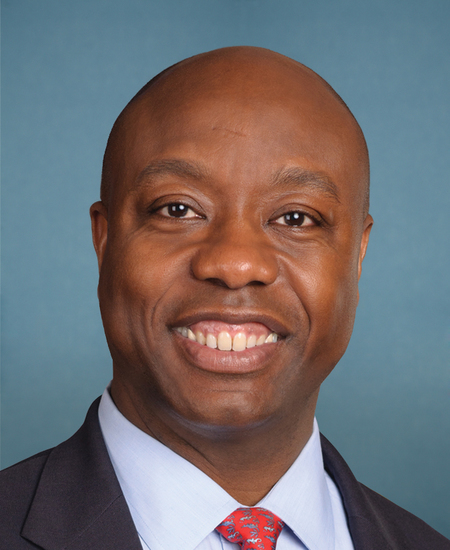
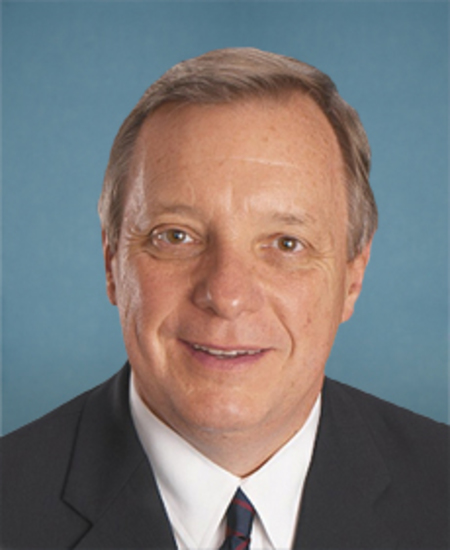
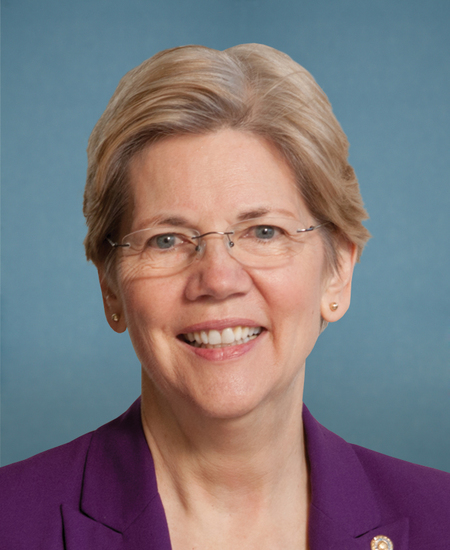
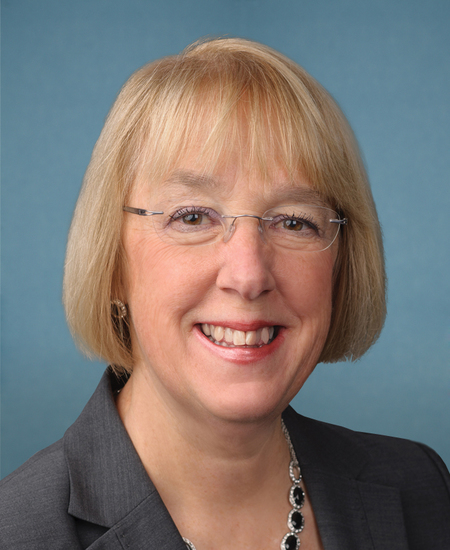
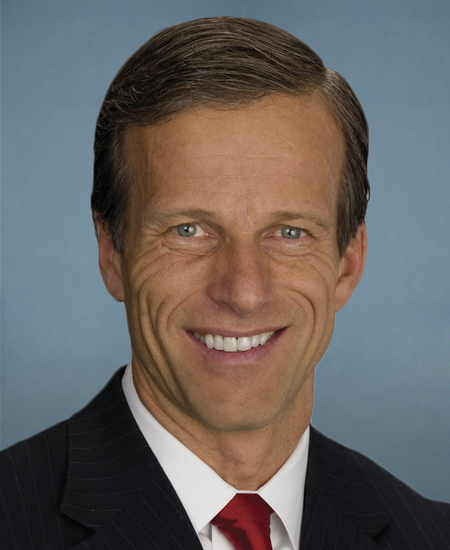
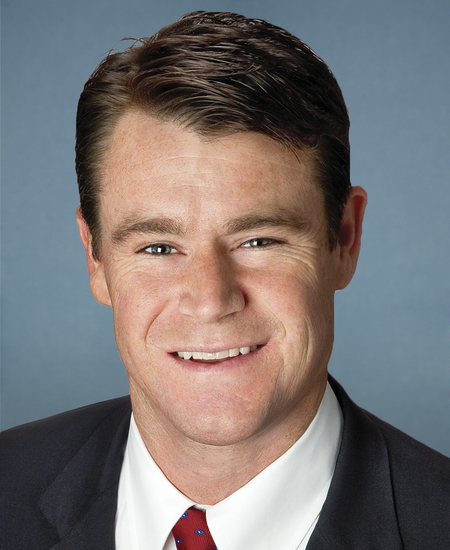
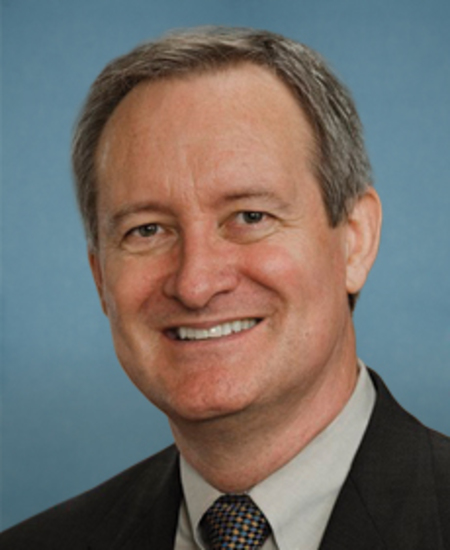
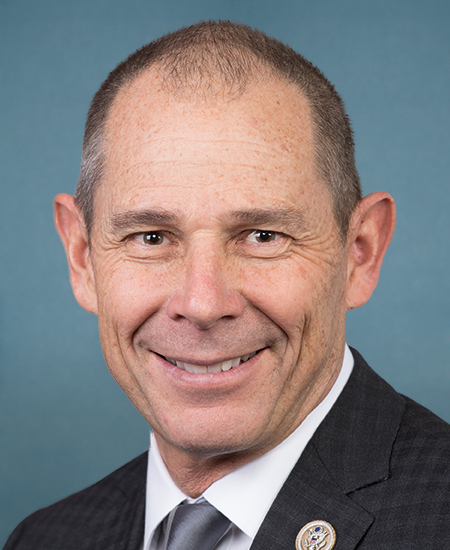
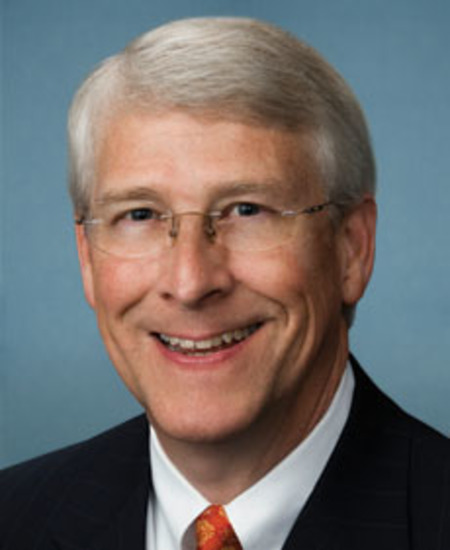
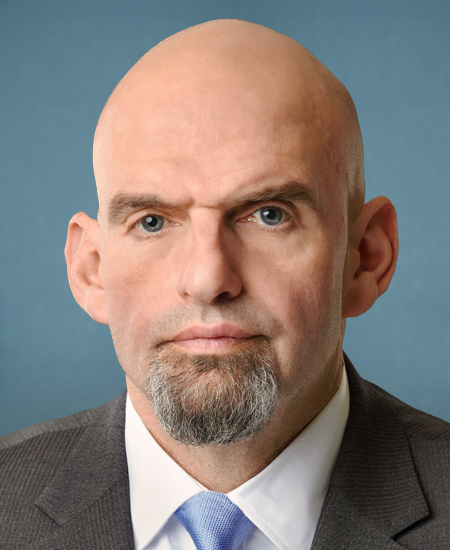
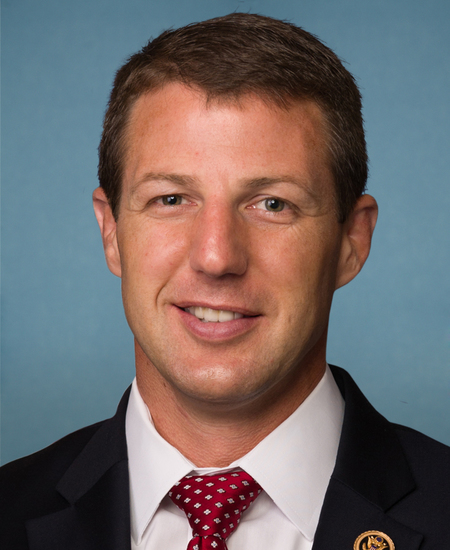
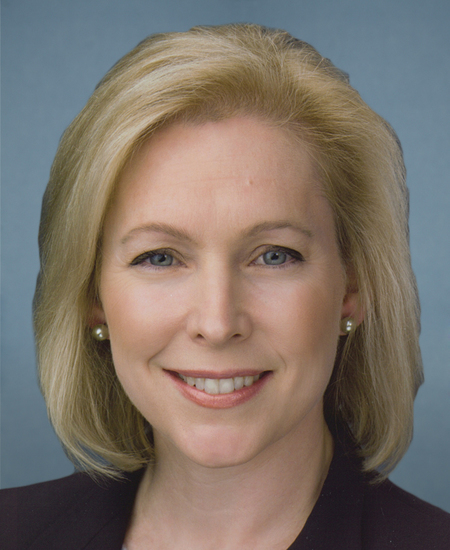
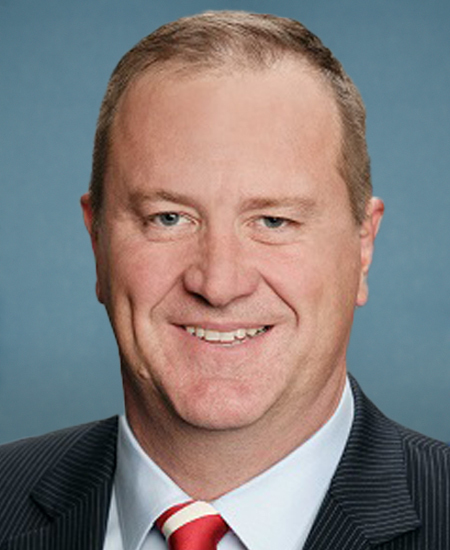
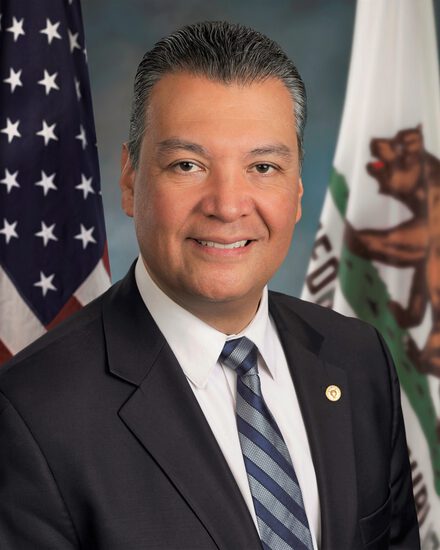
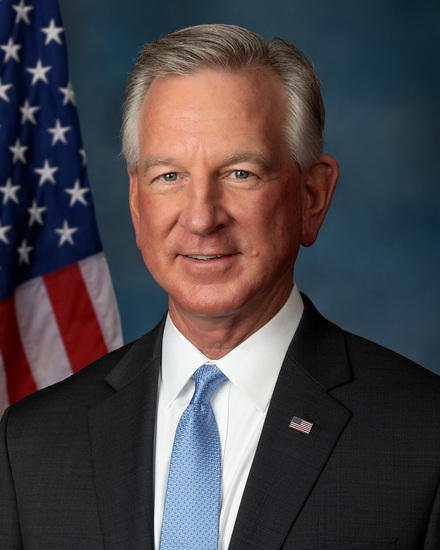
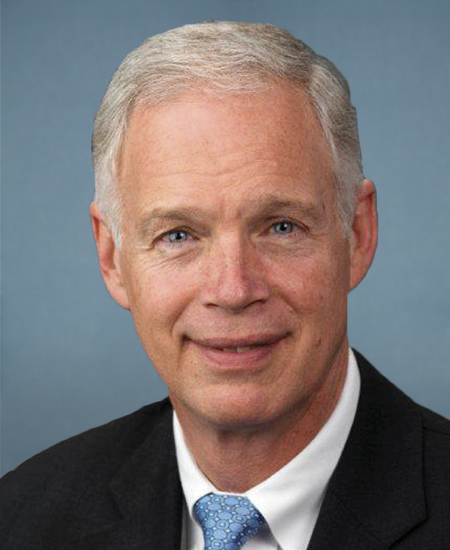
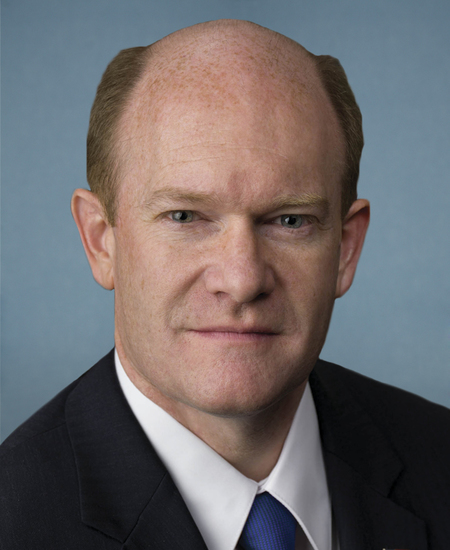
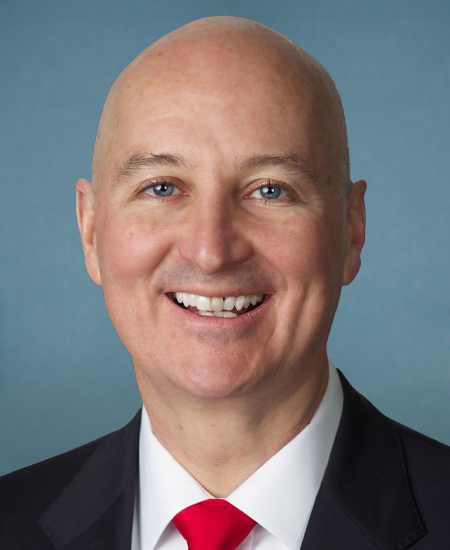
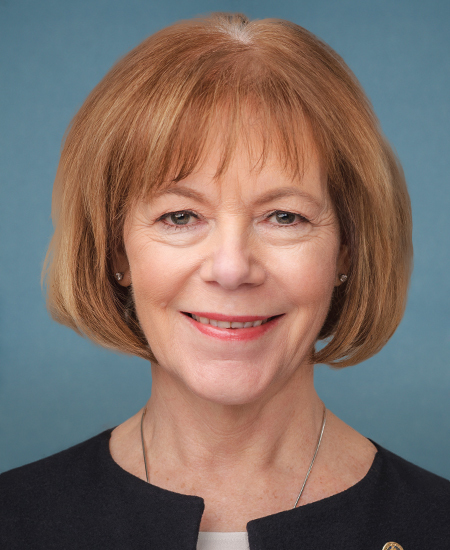
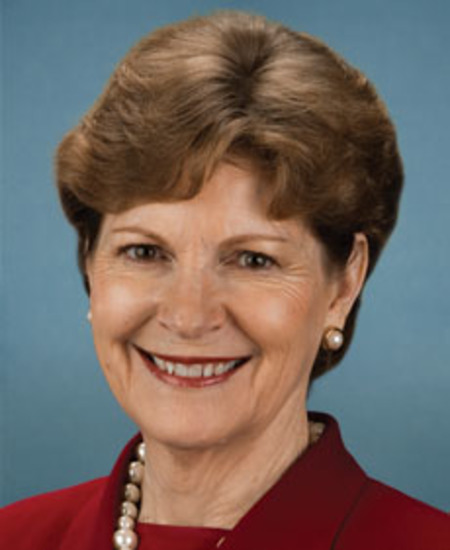
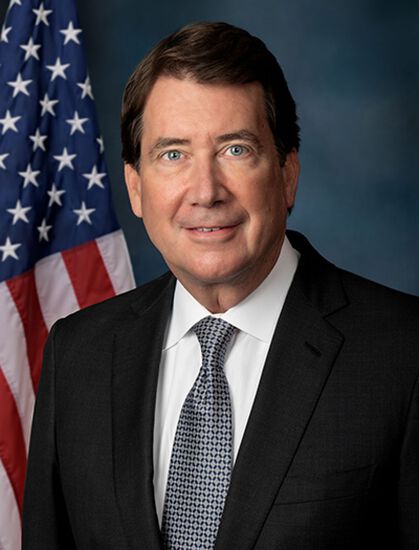
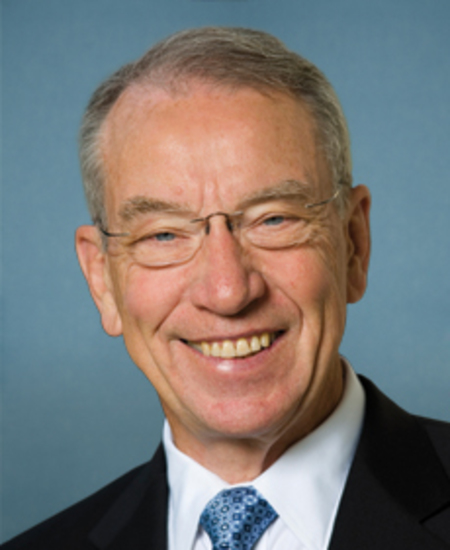
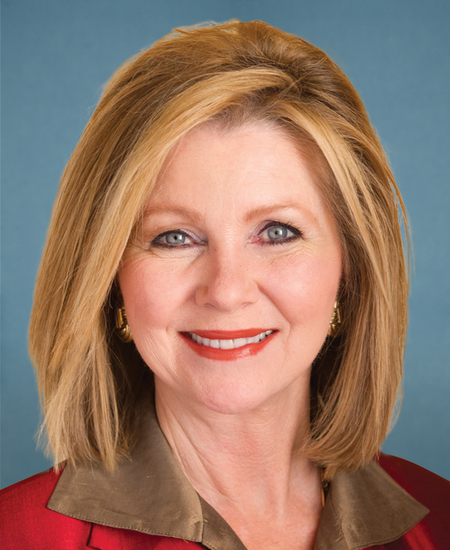
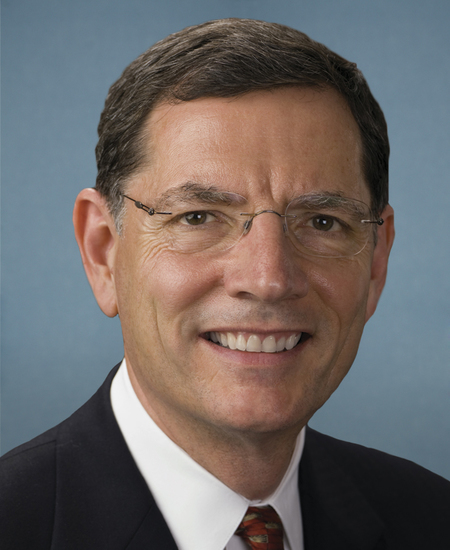
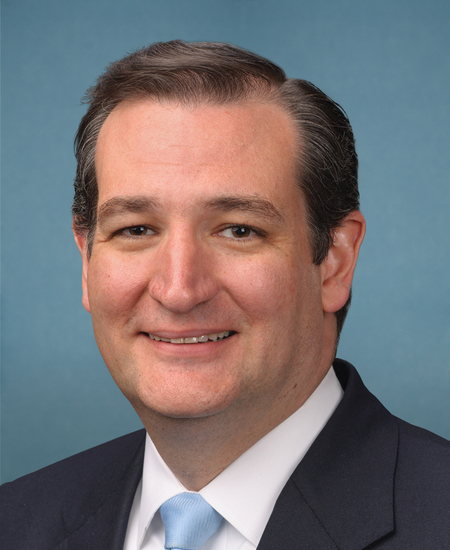
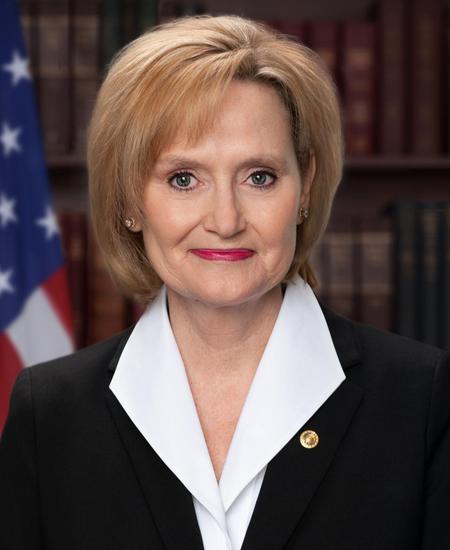
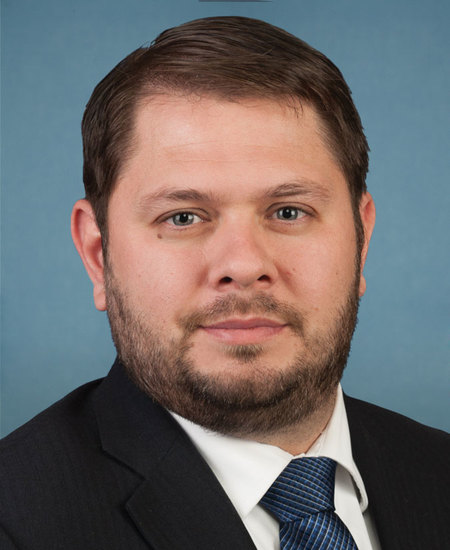
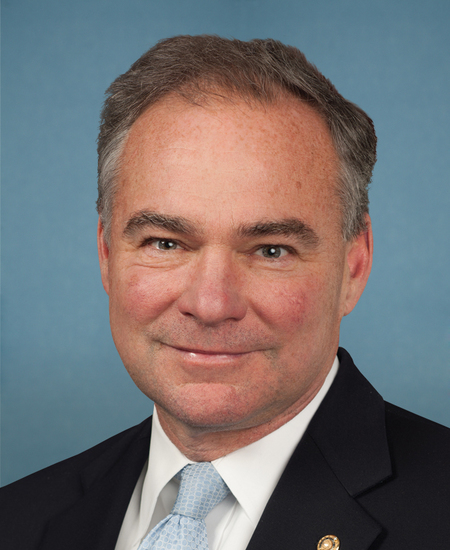
How they voted (98)
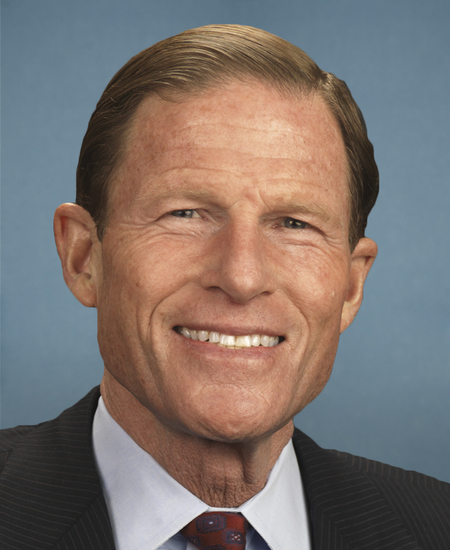

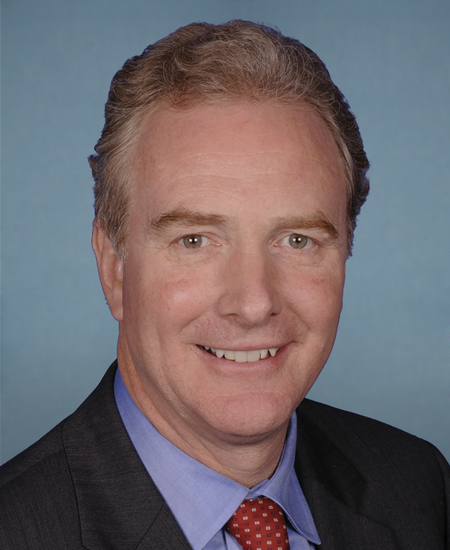
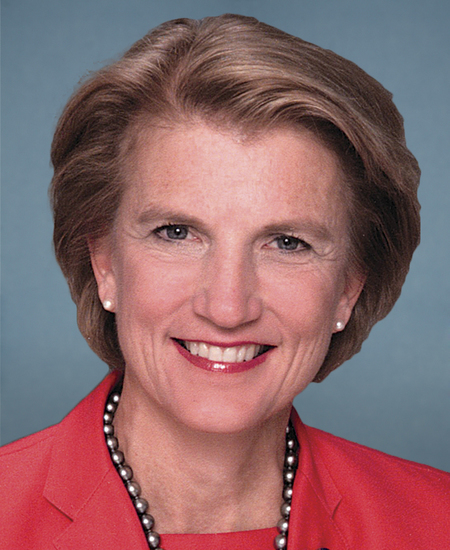
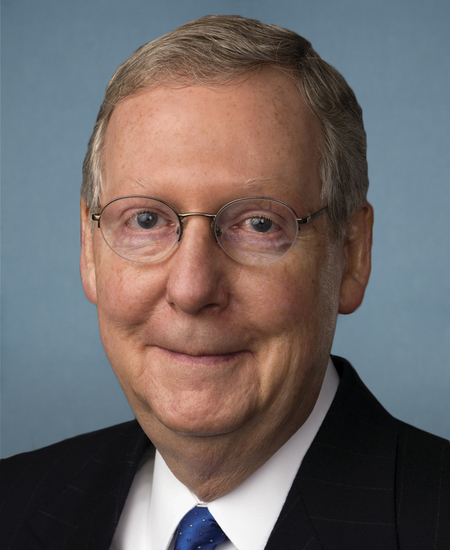

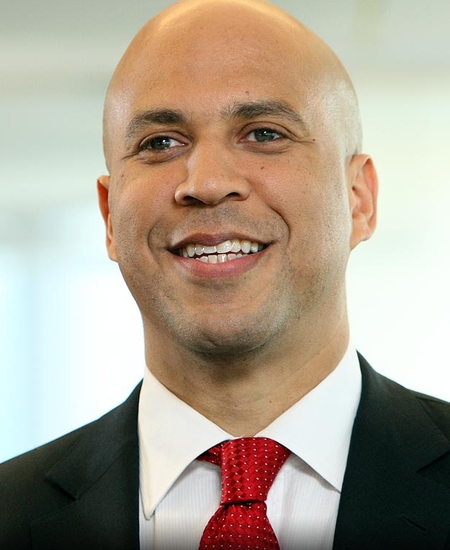

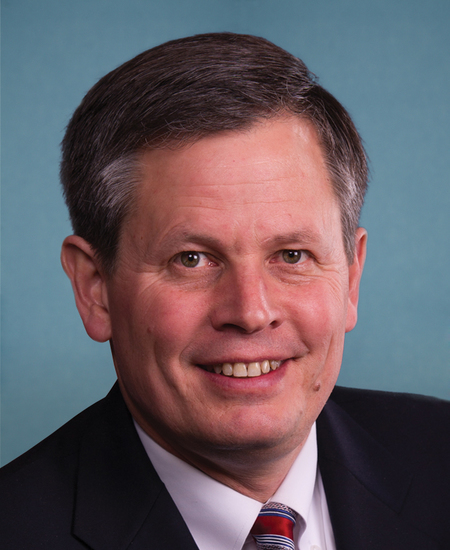


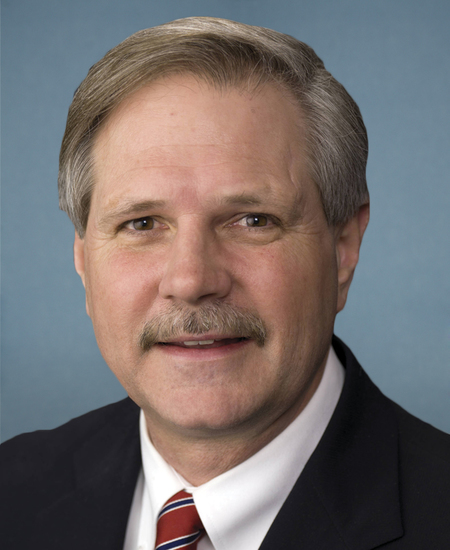
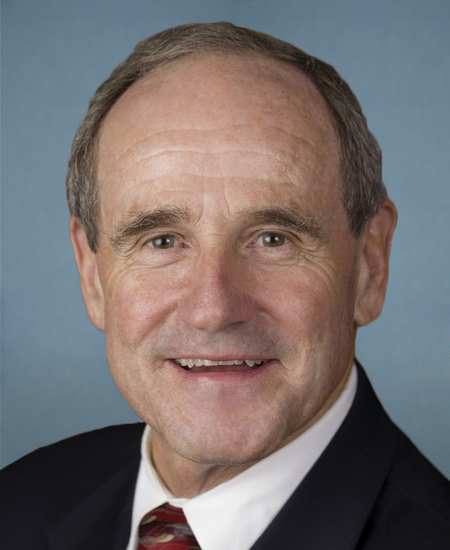

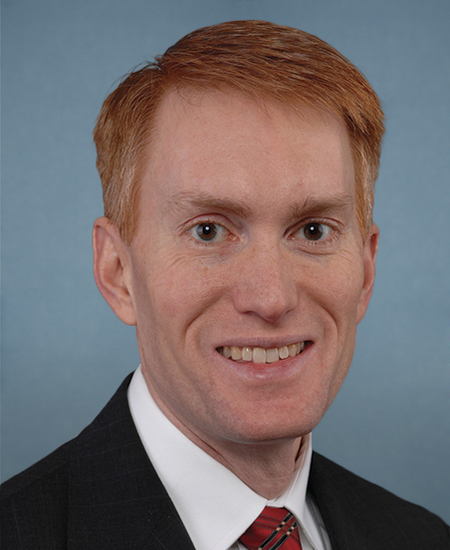

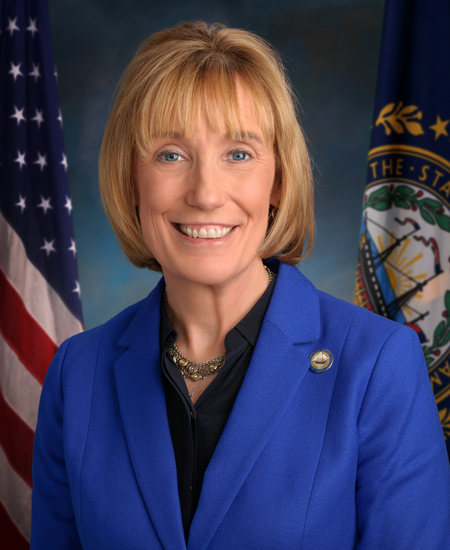
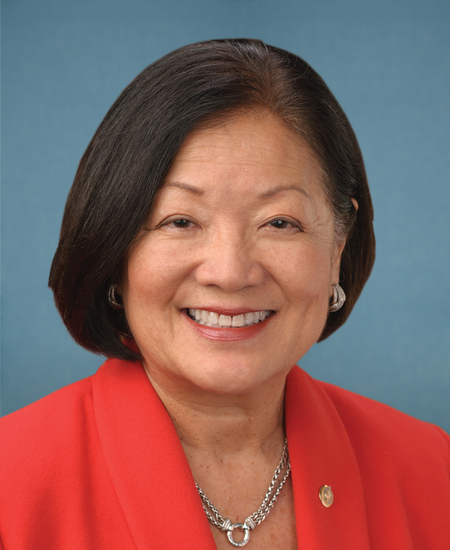



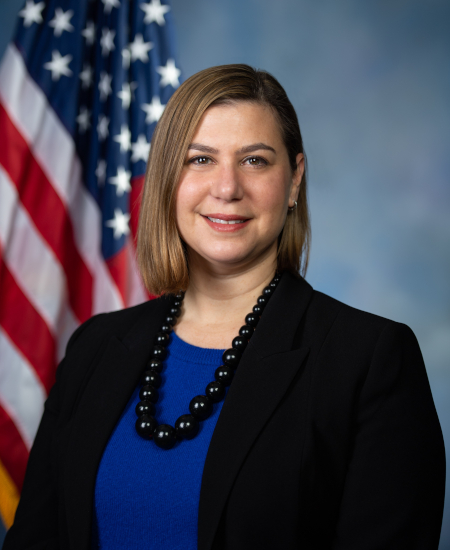

74 more members



























Full breakdown
Who this bill affects and the strongest case for and against it, written only from the bill’s own text.
Sponsors
Discoveries
Patterns POLISCOPE noticed across the record. These are observations to investigate, not conclusions.
Projected Deficit-to-Surplus Transition
The budget explicitly projects a transition from a $1.5 trillion deficit in 2026 to a surplus by 2030.
Connected Entities
Sources
www.congress.gov
Analysis Score
0–100- Significance20Lowered because this bill did not pass (its text scored 95)
- Controversy80Intensity of disagreement among stakeholders
- Entertainment10Compellingness for a non-policy-wonk reader
- Buzz60Current news / social attention level
Publisher tools