
The civic record
Read. Follow. Verify.New York establishes medical psilocybin program for qualifying health conditions starting July 2028
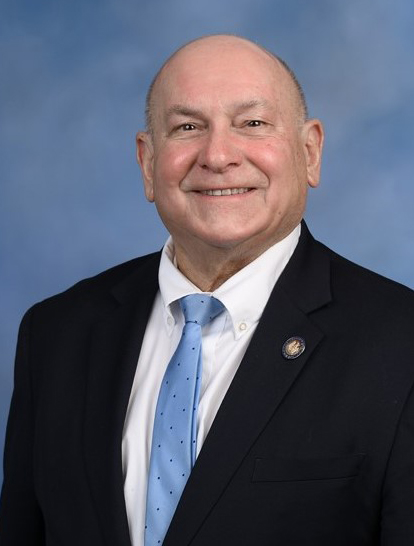
Last action · May 8, 2026: PRINT NUMBER 2142ASponsors: Amy Paulin and 9 others
Track this bill to get notified when it advances a stage. One tap to stop, anytime.
What This Bill Would Do
Legislation establishes a state-regulated medical program authorizing licensed healthcare providers to recommend psilocybin for qualified conditions such as treatment-resistant depression and PTSD, while creating new criminal penalties for diversion. The measure takes effect July 1, 2028, with immediate regulatory preparations.
Qualifying patients gain legal access to medical treatment without facing arrest or professional penalties, while producers and providers must adhere to strict licensing, testing, and 30-day supply limits.
Who It Would Affect
Groups the bill's text would affect if enacted, as described in the record. Being affected is not a position for or against it.
Qualified patients
Patients diagnosed with qualifying conditions are granted legal access to medical psilocybin treatment, registry identification cards, and immunity from arrest or prosecution for possession in accordance with program rules.
Licensed healthcare providers
Physicians, psychologists, and nurse practitioners who complete specialized training may recommend and administer psilocybin without facing criminal or civil penalties.
Licensed producers
Businesses and individuals licensed by the department may grow, harvest, process, package, and transport medical psilocybin under strict regulatory oversight and testing standards.
Key Facts
- Authorizes the medical use of psilocybin for qualifying conditions including major treatment-resistant depression, post-traumatic stress disorder, substance use disorders, end-of-life care, and cluster headaches.
- Establishes the Medical Use of Psilocybin Program within the Department of Health to oversee licensing, safety testing, packaging, and data collection.
- Limits dispensing by licensed producers to a maximum 30-day supply of psilocybin based on a qualified patient's permitted medical use.
- Creates criminal offenses for the diversion of medical psilocybin, including a Class E felony for healthcare providers who unlawfully recommend it and misdemeanors for unauthorized sales or excess retention.
Show all 7 facts
- Provides civil and criminal protections for qualified patients and authorized practitioners, ensuring participation is treated as a disability under specific state executive and civil rights laws.
- Mandates that the Department of Health report annually to the legislature on the effectiveness of the medical psilocybin program.
- Sets an overall effective date of July 1, 2028, while authorizing immediate administrative rule-making prior to that date.
Frequently Asked Questions
What medical conditions qualify a patient for psilocybin treatment under this bill?
Who is authorized to recommend medical psilocybin to patients?
What is the maximum amount of psilocybin a patient can possess at one time?
What else do you want to know?
News Coverage
Follow the record
Votes, people, money & the original sourceWhere This Stands
Currently in committee. The next step in the legislative lifecycle is Floor Vote.
Procedural history
4 actions- May 8, 2026HousePRINT NUMBER 2142A
- May 8, 2026HouseCommitteeAMEND (T) AND RECOMMIT TO HEALTH
- Jan 7, 2026HouseCommitteeREFERRED TO HEALTH
- Jan 15, 2025HouseCommitteeREFERRED TO HEALTH
Version history
Only one version on file - nothing to compare yet. As later stages (committee substitute, engrossed, enrolled) are captured, the redline appears here.
View official text →Lobbying Activity
No state lobbying filings in our records match this bill. Federal lobbying reports (LDA) cover Congress, so they are not listed on state bills.
Full breakdown
Who this bill affects and the strongest case for and against it, written only from the bill’s own text.
Sponsors


Show 5 more sponsors


Discoveries
Patterns POLISCOPE noticed across the record. These are observations to investigate, not conclusions.
Establishment of Therapeutic Psychedelic Framework
The bill marks a major shift by moving psilocybin from strict prohibition under controlled substance laws into a regulated medical treatment framework with structured patient registries and producer licensing.
Connected Entities
Sources
www.nysenate.gov
Analysis Score
0–100- Significance85How much this matters to a regular citizen
- Controversy75Intensity of disagreement among stakeholders
- Entertainment10Compellingness for a non-policy-wonk reader
- Buzz60Current news / social attention level
Publisher tools