
The civic record
Read. Follow. Verify.New York Assembly bill expands judicial diversion eligibility to defendants with qualifying mental health and substance use diagnoses
Last action · January 7, 2026: REFERRED TO WAYS AND MEANSSponsors: Phara Souffrant Forrest and 62 others
Track this bill to get notified when it advances a stage. One tap to stop, anytime.
What This Bill Would Do
Assembly Bill 4869 broadens New York's programs to include defendants charged with any offense who have a qualifying mental health or substance use diagnosis, while establishing dedicated diversion court parts in every county one year after enactment.
Expands treatment-based alternatives to incarceration across all New York counties, altering court procedures, confidentiality rules, and sentencing guidelines for eligible defendants with clinical diagnoses.
- Judicial diversion programs in New York were originally structured under Article 216 of the criminal procedure law to offer substance use treatment as an alternative to incarceration for certain felony offenders. context
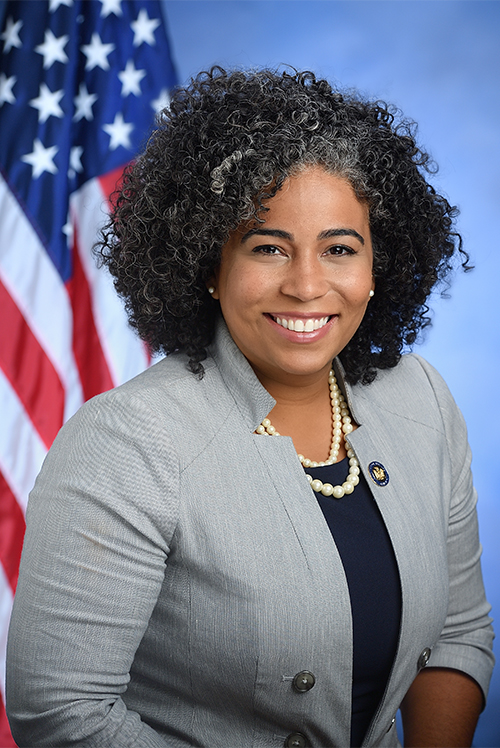
- Phara Souffrant Forrest serves in the New York State Assembly representing District 57. context
Who It Would Affect
Groups the bill's text would affect if enacted, as described in the record. Being affected is not a position for or against it.
Defendants with qualifying diagnoses
Eligible defendants gain expanded access to court-supervised treatment programs instead of incarceration, along with protections regarding guilty plea requirements and medical privacy.
Treatment providers
Providers are tasked with conducting clinical evaluations, developing individualized treatment plans, collaborating with courts, and formulating post-graduation plans for participants.
Chief Administrator of the Courts
Must establish a diversion part in each county court, ensure specialized training for personnel, and compile an annual published report on diversion statistics.
Key Facts
You don't have to trust us. Each fact below is taken straight from the official document - click any one to see the exact passage, highlighted in the original.
Frequently Asked Questions
Who is considered an eligible defendant under the proposed law?
Is a guilty plea mandatory to participate in the judicial diversion program?
What happens to a participant's criminal record upon successful completion of the program?
What else do you want to know?
News Coverage
Follow the record
Votes, people, money & the original sourceWhere This Stands
Currently in committee. The next step in the legislative lifecycle is Floor Vote.
Procedural history
3 actions- Jan 7, 2026HouseCommitteeREFERRED TO WAYS AND MEANS
- Apr 28, 2025HouseCommitteeREPORTED REFERRED TO WAYS AND MEANS
- Feb 6, 2025HouseCommitteeREFERRED TO CODES
Version history
Only one version on file - nothing to compare yet. As later stages (committee substitute, engrossed, enrolled) are captured, the redline appears here.
View official text →Lobbying Activity
No state lobbying filings in our records match this bill. Federal lobbying reports (LDA) cover Congress, so they are not listed on state bills.
Full breakdown
Who this bill affects and the strongest case for and against it, written only from the bill’s own text.
Sponsors


Show 58 more sponsors




Discoveries
Patterns POLISCOPE noticed across the record. These are observations to investigate, not conclusions.
Expansion from Felony-Specific to Diagnosis-Based Diversion
The bill shifts New York's judicial diversion framework from a list of specific felony offenses to any offense coupled with a qualifying clinical diagnosis.
One-Year Implementation Delay
The act takes effect one year after becoming law, providing courts and administrative offices time to establish county diversion parts and annual reporting structures.
Connected Entities
Sources
www.nysenate.gov
Analysis Score
0–100- Significance85How much this matters to a regular citizen
- Controversy60Intensity of disagreement among stakeholders
- Entertainment5Compellingness for a non-policy-wonk reader
- Buzz40Current news / social attention level
Publisher tools